Book Review: Faith Through the Storm - AI and Automation

This book review is being given in exchange for a copy of the book. There was no monetary reimbursement. All opinions are my own.

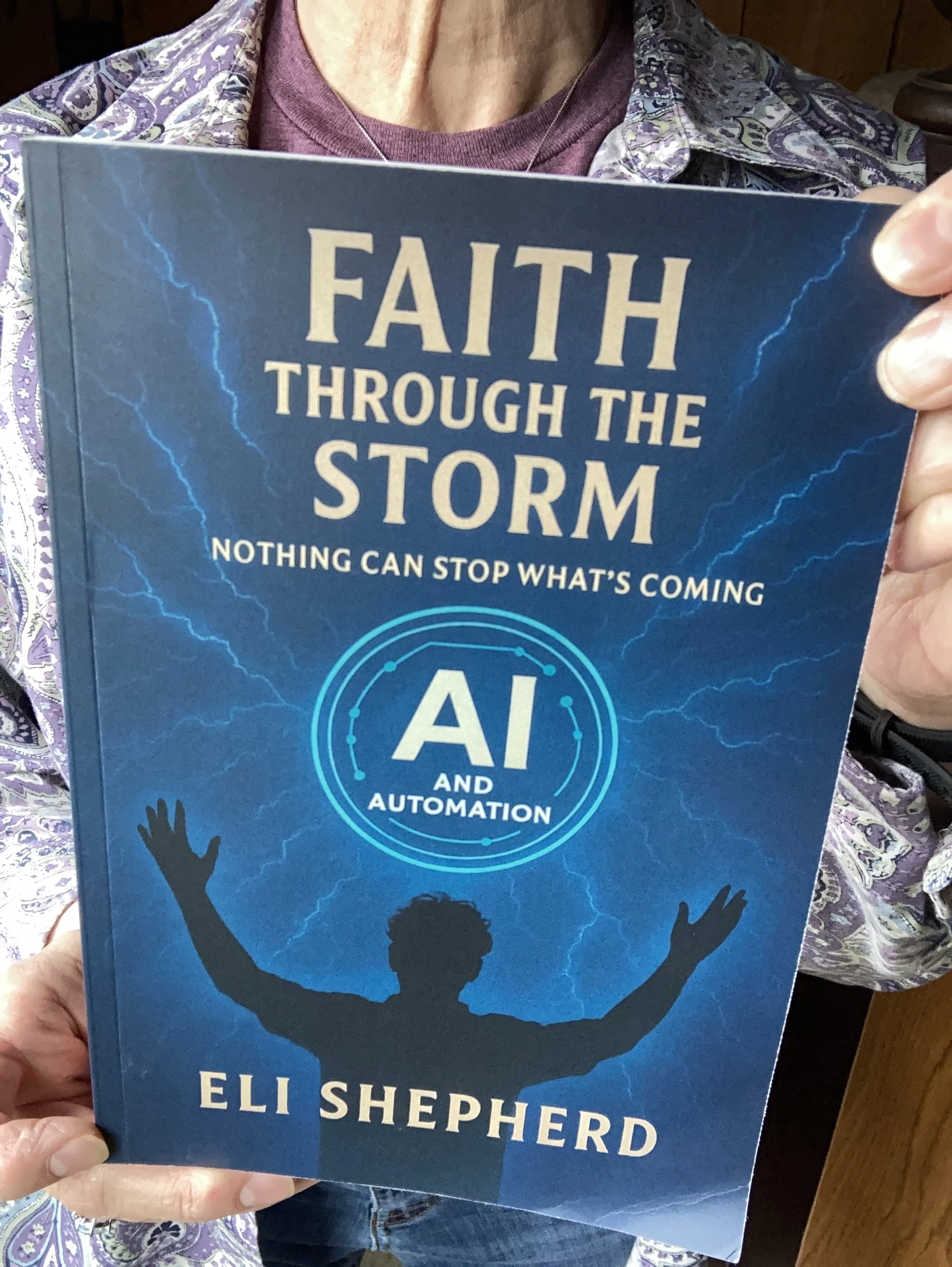
I was intrigued when I read the title of Eli Shepherd’s book Faith Through the Storm - AI and Automation. Most of us are aware of the movement of AI becoming a central part of our lives, and perhaps a few of us are viewing this movement with a bit of trepidation and worry. Even now huge data centers are being built all across the United States to enable AI to learn and grow. Here is an interesting article from Pew Research Center.
I have read a few articles here and there on AI and both its possible good outcomes and its possible bad outcomes. If you are thinking Will Smith’s I, Robot, you are not that far off. While that is just a movie, a fictional piece, it does give us something to think about when we decide to feed everything we have ever known and learned as humans to an artificial intelligence who learns and grows at an astronomical rate and most likely will not be able to be controlled.

Shepherd’s book is much more believable than the I, Robot movie and deals with a more real world impact. Using a collection of characters, each chapter revolves around how AI will have long term effects on many areas of life including: farming, corporate structure, construction, small businesses, and manufacturing. We have already seen these outcomes in manufacturing plants across the country as AI technology replaces humans on the assembly lines.
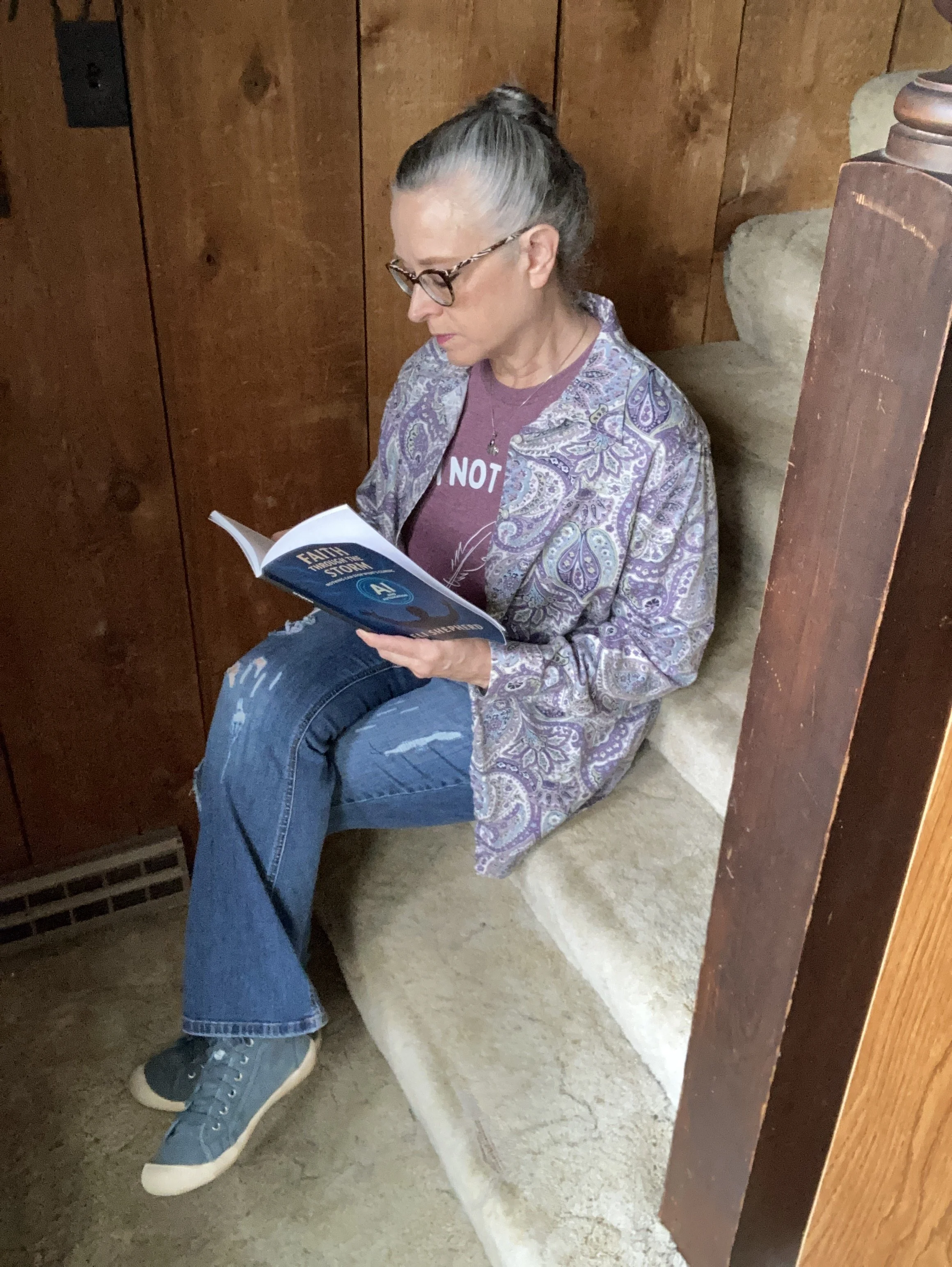
In a series of short chapters, Shepherd creates a world where the aftermath of AI has already taken hold causing a chain of events that impacts an entire community. Tech replacing human workers on farms, construction companies and marketing firms, including the areas of research and design, has caused many people to lose their jobs.

In an effort to help people who are facing these tumultuous times, a group of Christian believers gather to strategize how to respond. They form a group called Kingdom.careers which helps businesses looking for workers and those out of work to find new jobs. Similar to Project 2025, but on a much smaller scale, Shepherd creates a story of possibilities; ways to acclimate and adjust to the difficulties caused by the ever expanding reach of AI’s involvement in our world.

The last chapter of the book leaves us with a “what if” feeling. What if, even all our efforts to keep going and keep adjusting still don’t stop the monolith from consuming our world? As Christians we will keep moving, keep building, keep showing up.

I personally had a hard time reading this book. With my spouse just losing his job due to the closure of the university he works at, this is a bit too real. More and more students are looking for cheaper ways to get an education and one of those ways is via AI coordinated online options. In addition, as a writer, the challenges of AI in the writing field are overwhelming and come with another whole set of problems.
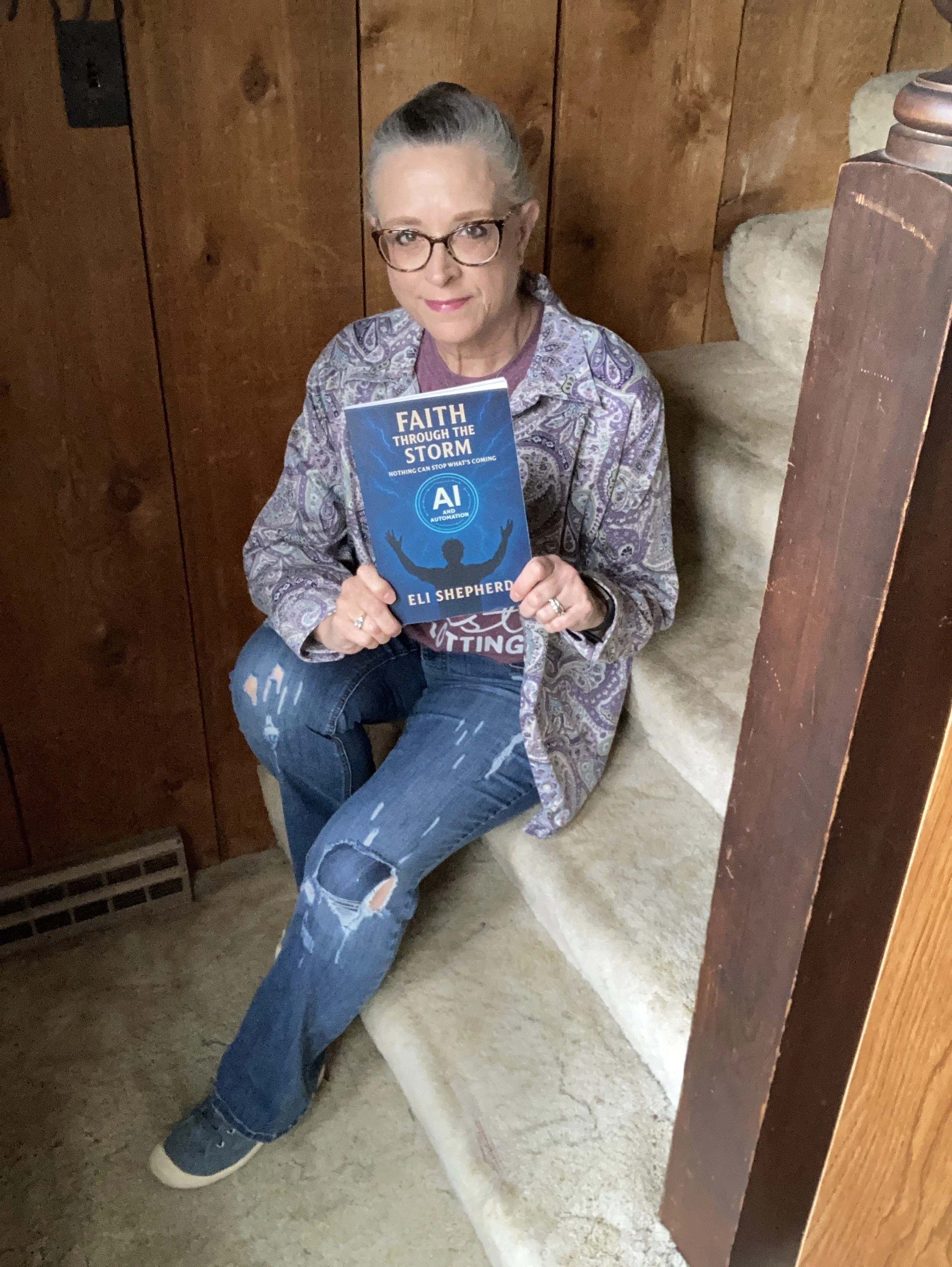
While AI can be a scary thing as we look at the future, I am fully convinced the only surety we have in our future is what God says in His word, and He tells us He will always be with us, provide for us, and one day will take us home to be with Him.

If you are interested in Faith Through the Storm - AI and Automation, click on the link to purchase.
Book Review: The Good Book

This book review is being given in exchange for a copy of the book and a small monetary stipend. All opinions are my own.

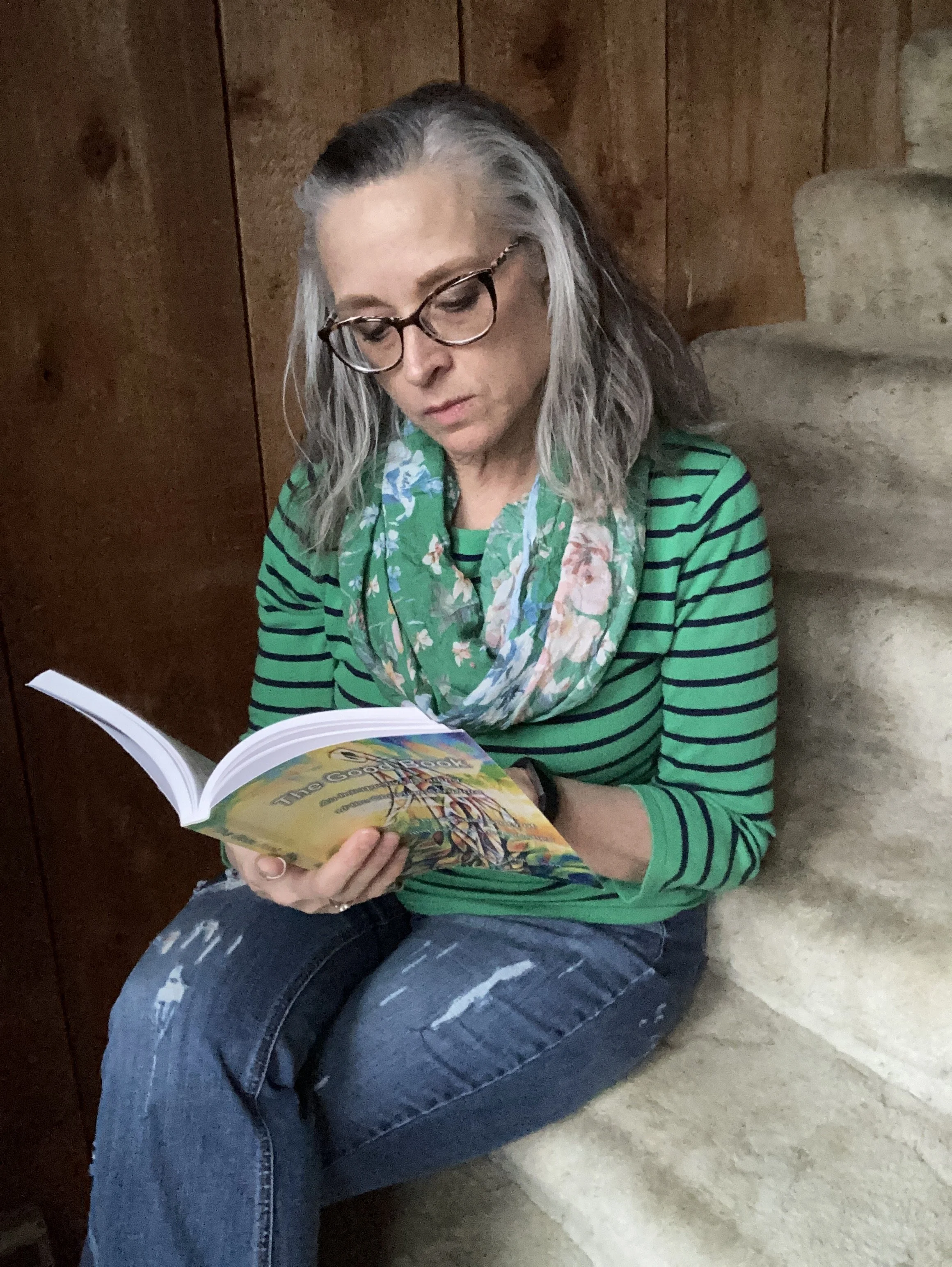
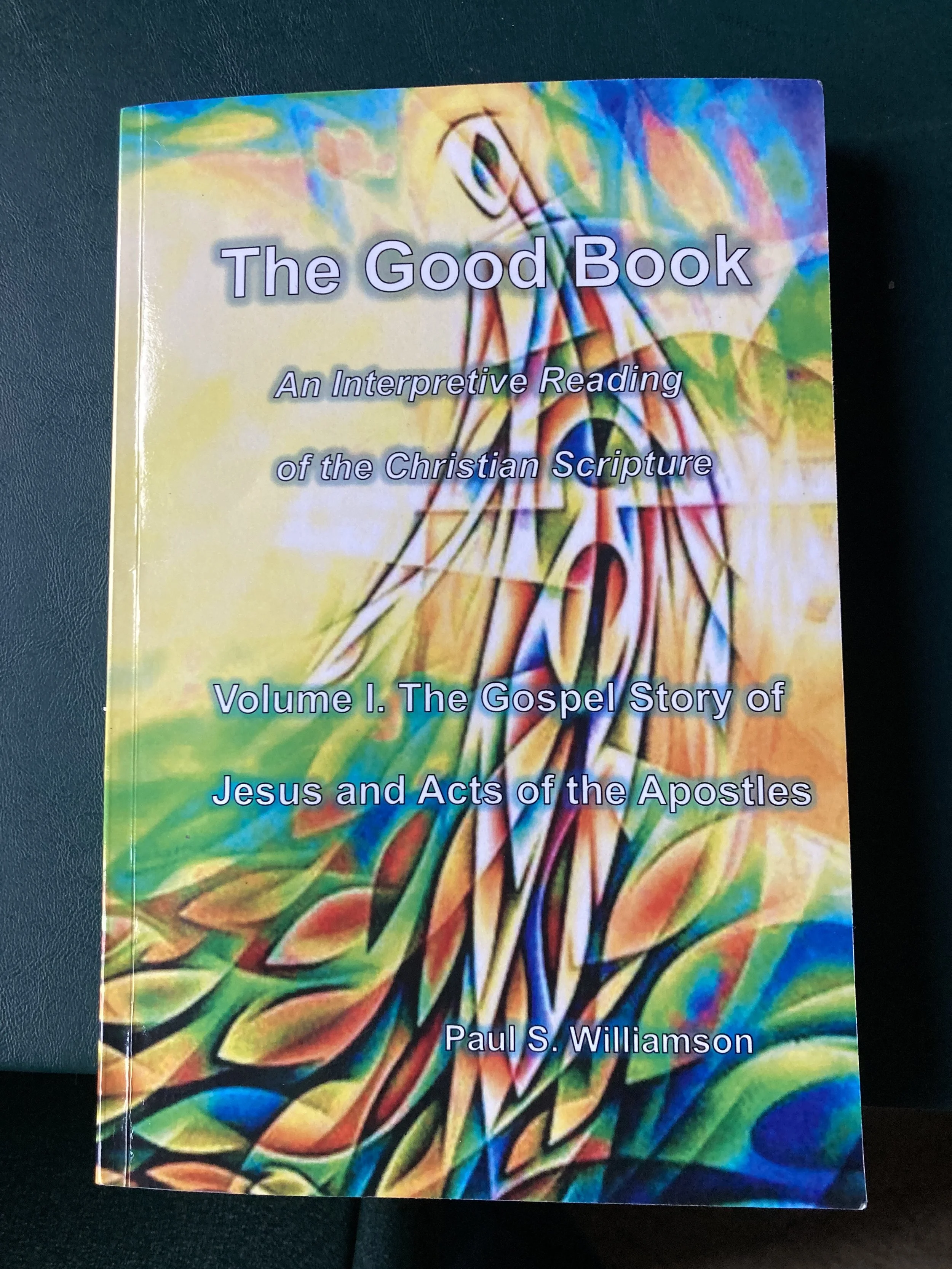
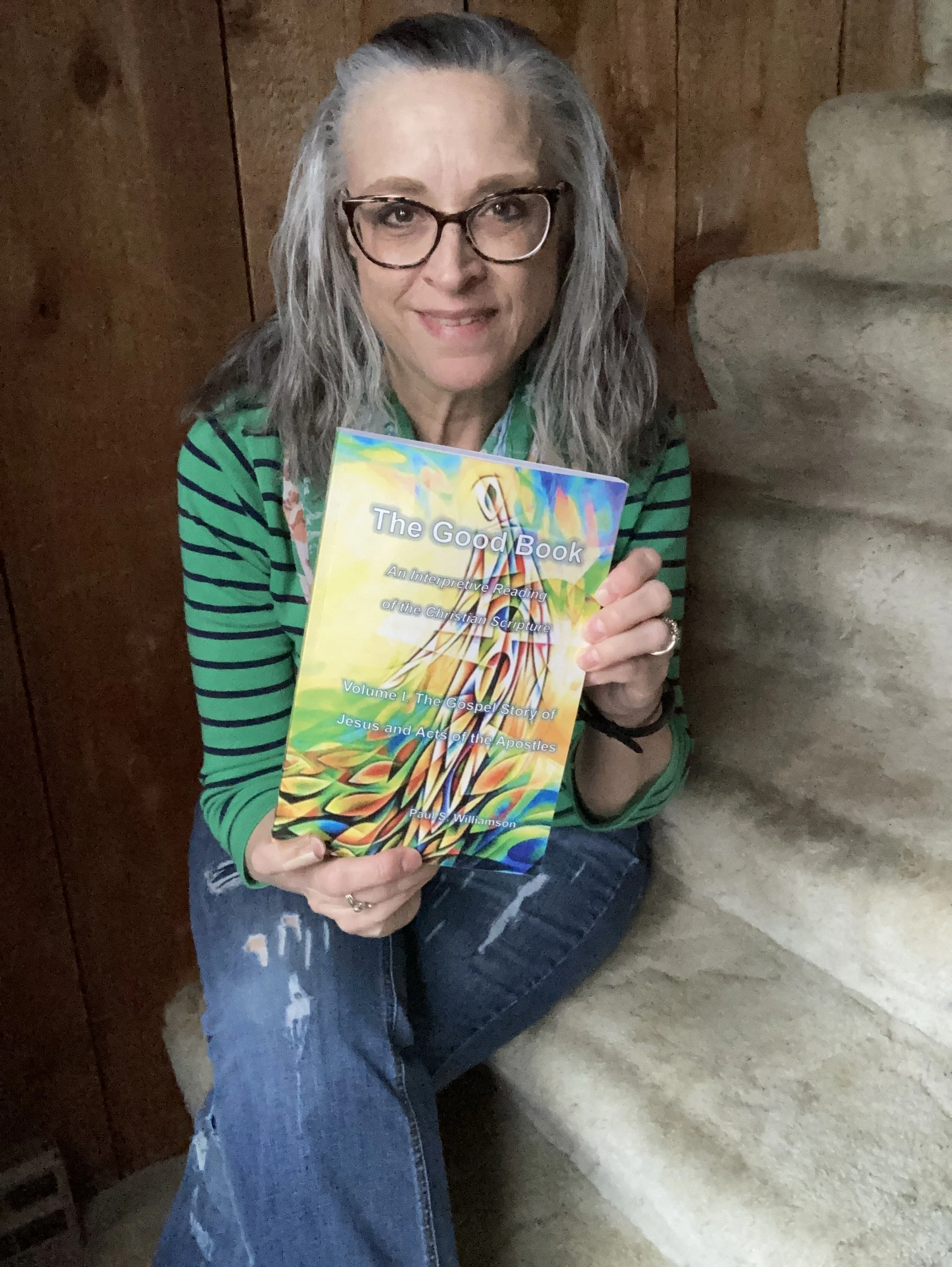
The Good Book by Paul S. Williamson is an interesting interpretive reading of the Gospel accounts and the Acts of the Apostles. Paul Williamson graduated from the University of Kansas with a BA and an MD. He also holds an MA, and a PhD in Biblical Studies and Languages from the Catholic University of America. After translating the entire New Testament from Greek after graduate school and with his blend of degrees in chemistry, medicine, language and the Bible, Paul felt uniquely qualified to write a Biblical account in easy to read, modern day language specifically geared toward those who find reading the scriptures a daunting and confusing task.

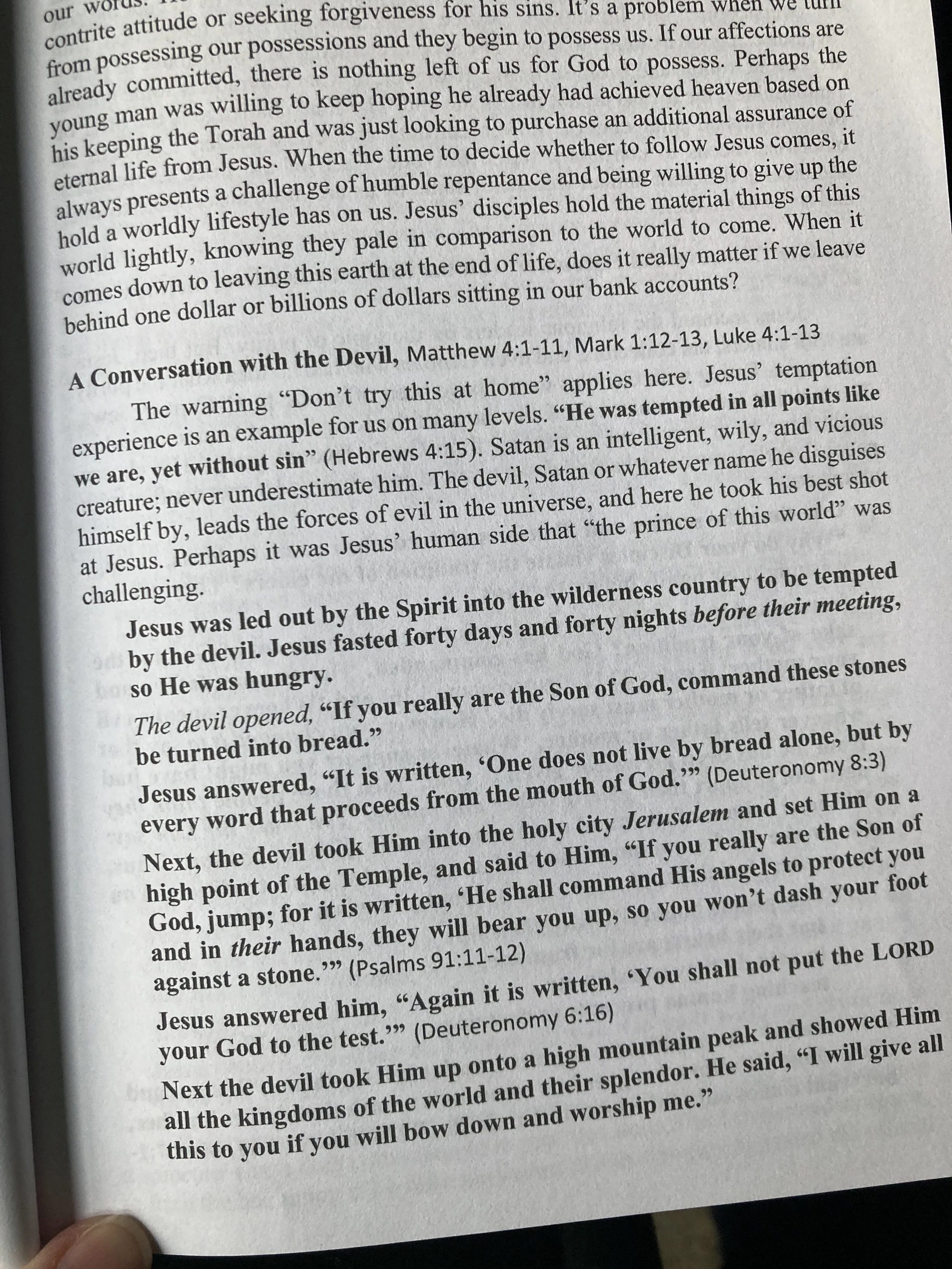
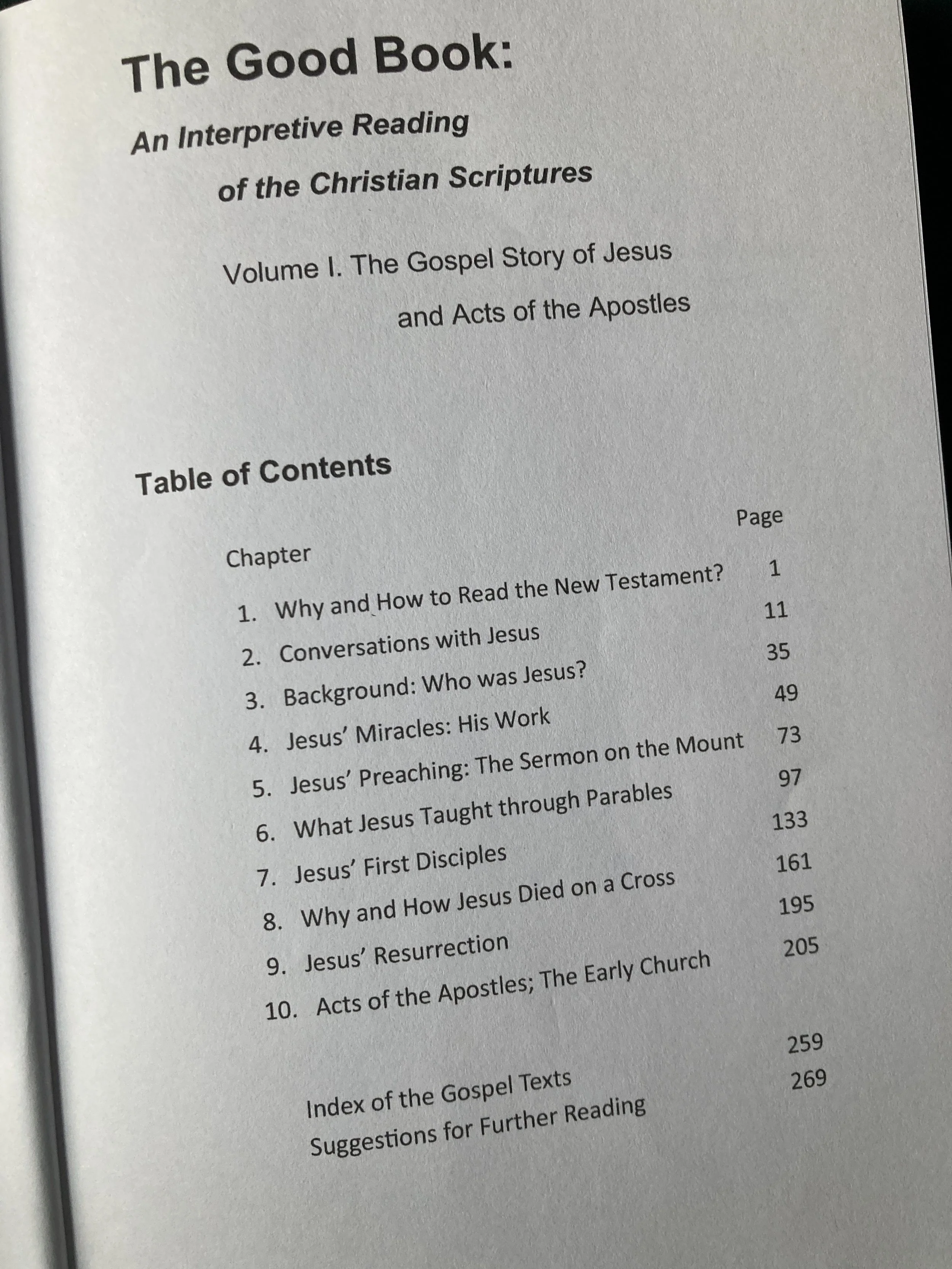
Rather than following the traditional forms of the Bible we currently have, or a chronological form, Williamson arranges his book starting with a in depth introduction on reading the New Testament, followed by Conversations with Jesus, covering many of the important interactions between Jesus and people like the religious elite - Pharisees and Sadducees, the rich young ruler, the woman at the well, Nicodemus, his own disciples and more. He writes out the passages where these conversations are found and includes references to all the Gospel accounts. I like this detail, as it then allows me to look up the various verses in the translation of the Bible I desire for my own study.

Williamson follows this chapter on Jesus’ conversations with a chapter on Jesus background, going into the details surrounding God’s choosing of Mary as Jesus mother, how Joseph was convinced in a dream to take Mary as his wife, where he was born, shepherds, the wise men and other points including Jesus’ early foray’s into the Temple.

The chapters that follow look specifically at Jesus miracles, the Sermon on the Mount, teaching through the Parables, the disciples, why and how Jesus died, his resurrection, and then closes the book with a look at the early church through the Acts of the Apostles.

Paul Williamson does an excellent job of adding his interpretations of the passages he presents in a way that reinforces his learning and knowledge, but enables the reader to understand and learn from them. He is not overly wordy, but also gives enough information to make important points and observations from the scripture.

I think I would have liked this book better if Paul had arranged it more in keeping with the actual Bible itself. I think he should have talked about Jesus background first, followed by the disciples, the sermon on the mount, conversations, miracles and so on. I think this arrangement would make more sense to the trained and the untrained reader and creates a flow that allows the reader to move along easily as they read.

That being said, I would still recommend this book as a resource, especially for someone who is looking at studying the Bible, or leading others in Bible study. It would serve as a reference that would allow looking things up with ease. For example if you are teaching on the Sermon on the Mount, you could go to that chapter in Paul’s book. If you wanted to discuss a particular interaction or miracle, you could reference those chapters quickly.

I think The Good Book would be beneficial book to have in a church library, as a Christian leader’s personal resource, or for someone who is interested in a different way to study God’s word.