Book Review: NLT Wide Margin Filament Bible

This book review is being given in exchange for a copy of the book. No monetary stipend was involved. All opinions are my own.

Perhaps you are wondering why I am doing another book review on a Bible. When I was a young child going to Sunday School every verse we learned was taught from the King James Version (KJV) of the Bible. When I was in high school I was given a copy of the Word in the New American Standard (NASB) version, which at that time was supposed to be the most word for word translation. I became a fan and for years that is the only Bible I would use. Even now, I most often use NASB 1995 on my blog and in my study. However, I have also become acquainted with the English Standard Version (ESV), and the New International Version (NIV), so when this opportunity to review a New Living Translation (NLT) of God’s Word came along, I signed up.
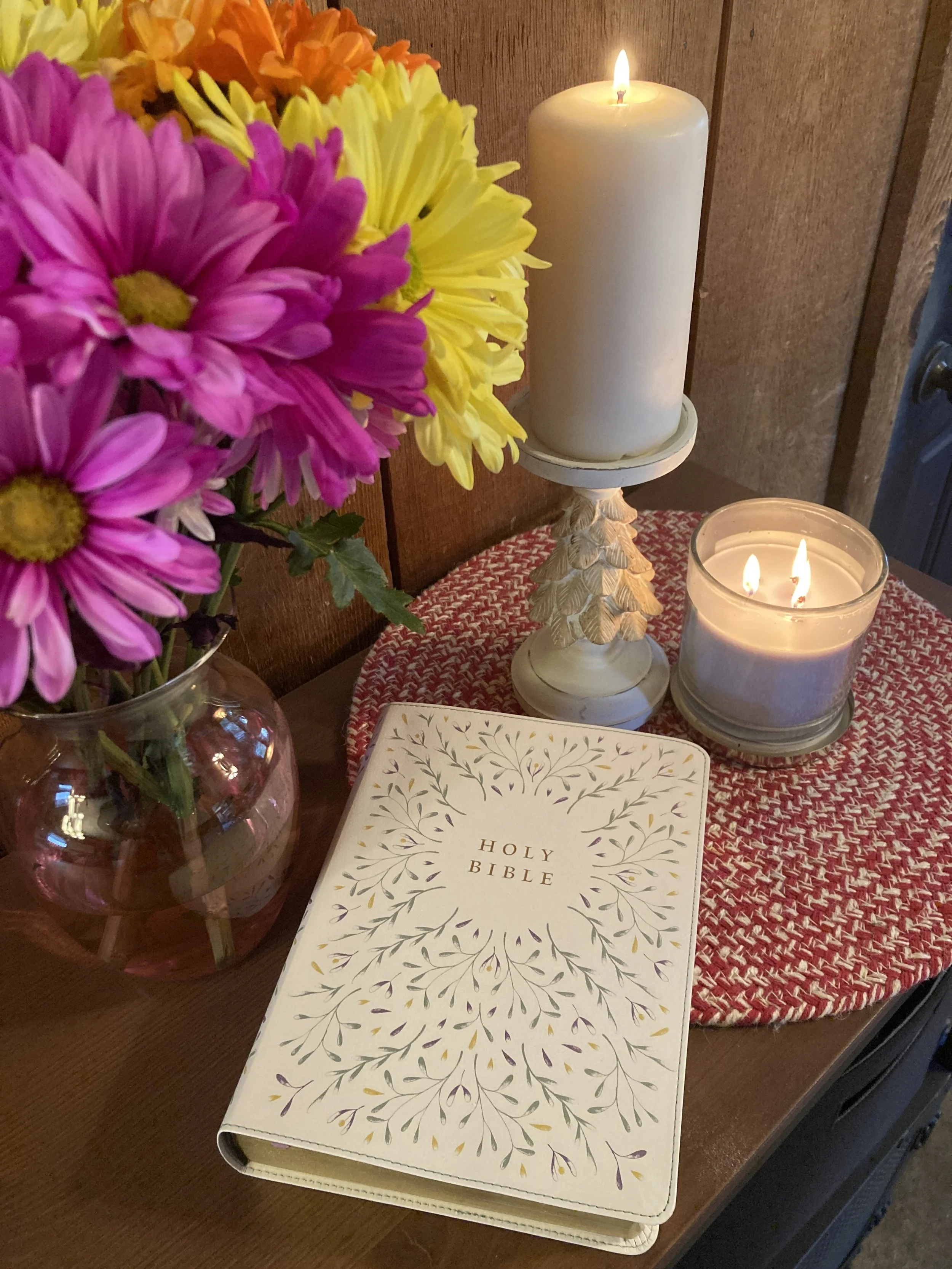
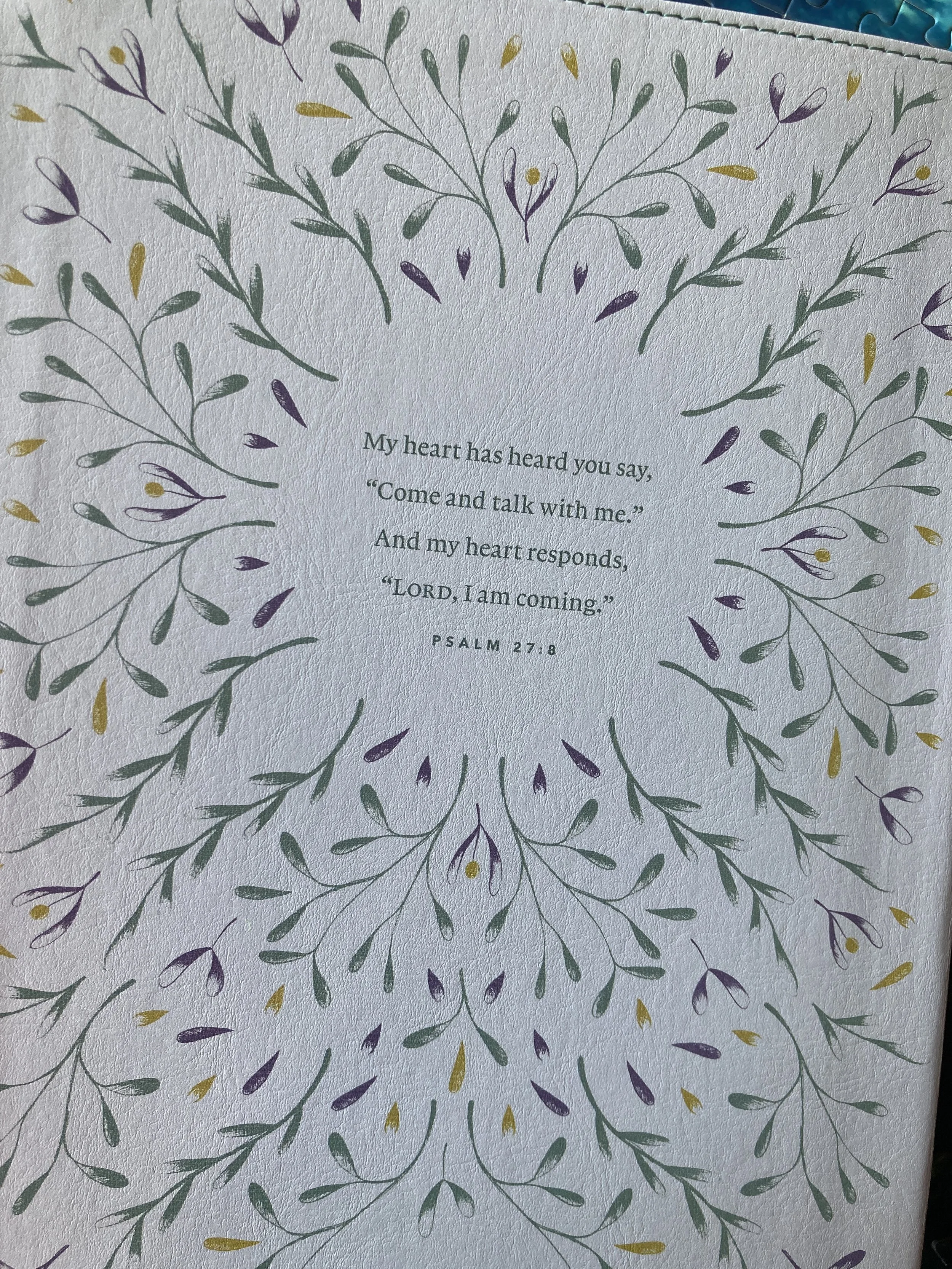
When I opened the sturdy box this NLT Wide Margin Filament Bible came in I was so excited to see this beautifully designed, leather-like cover making it not only perfect for the season of spring, but also for Easter. I am a Fashion Blogger, and a girl who likes pretty and colorful clothes also likes pretty and colorful Bibles. I especially love the verse they included on the back cover. Simple, but elegant.
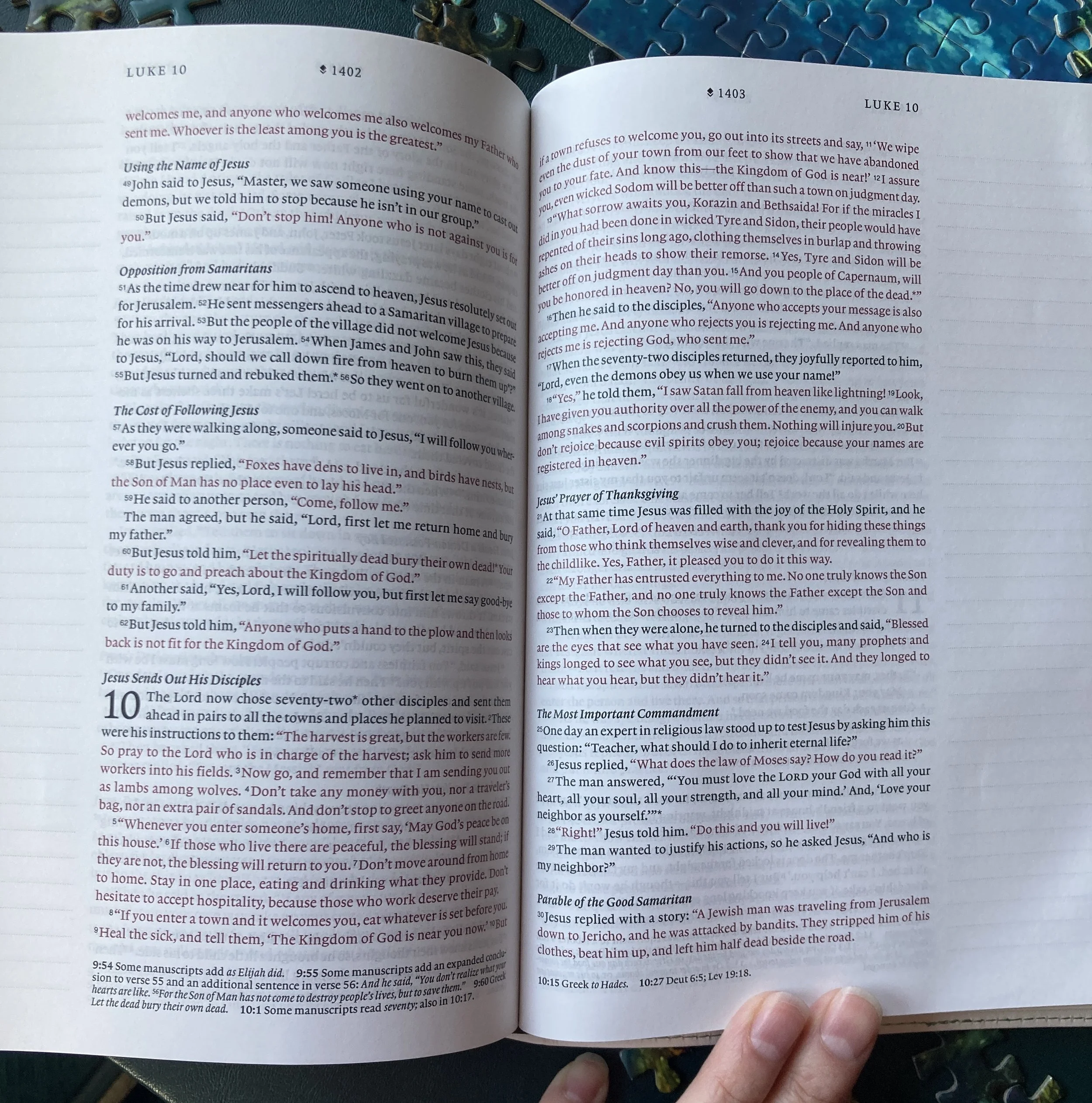
This Bible has a lot of interesting and practical features. From the single column of text per page, the extra wide margins for taking notes or making doodles, the words of Jesus in red, and other features at the back like the Tyndale Verse Finder, maps and other interesting charts and facts this Bible is already a great choice for your own personal study or as a gift for a family member or friend.

However, this Bible has an additional feature that makes it even more perfect for anyone interested in deeper study and understanding of God’s Word. This Bible is Filament Enabled. Filament is an app that removes the need for large, cumbersome Bibles with extra notes and cross references, and also removes the need to own a huge library of extra study sources. When you download the app, you have at your fingertips a wealth of videos, maps, study materials, reading plans, devotionals and more. All you have to do is scan the page you are reading and the app will give you numerous interactive choices. (At the time of this post I have not had the time to download the app, but as soon as I can I am going to download it and use it.) You can see more information on the app here. You can also watch a video on the app here. The app is free, so if you have a phone or a tablet this is a great resource to add to your personal Bible study.
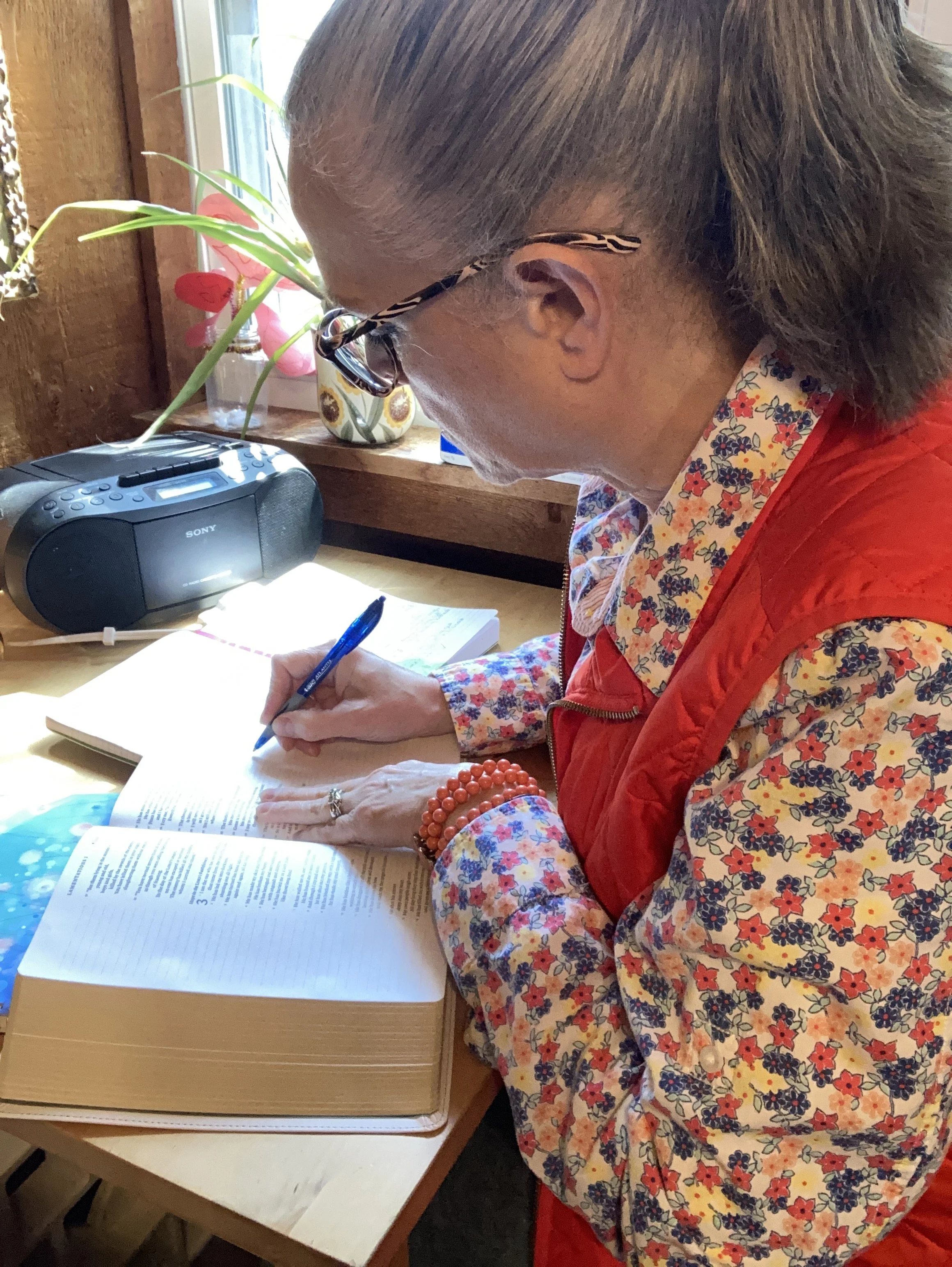
Here are a few pictures of a few of the features of the NLT Wide Margin Filament Bible:

Single Column of Text per Page; Words of Jesus in Red Letters:
Tyndale Verse Finder:
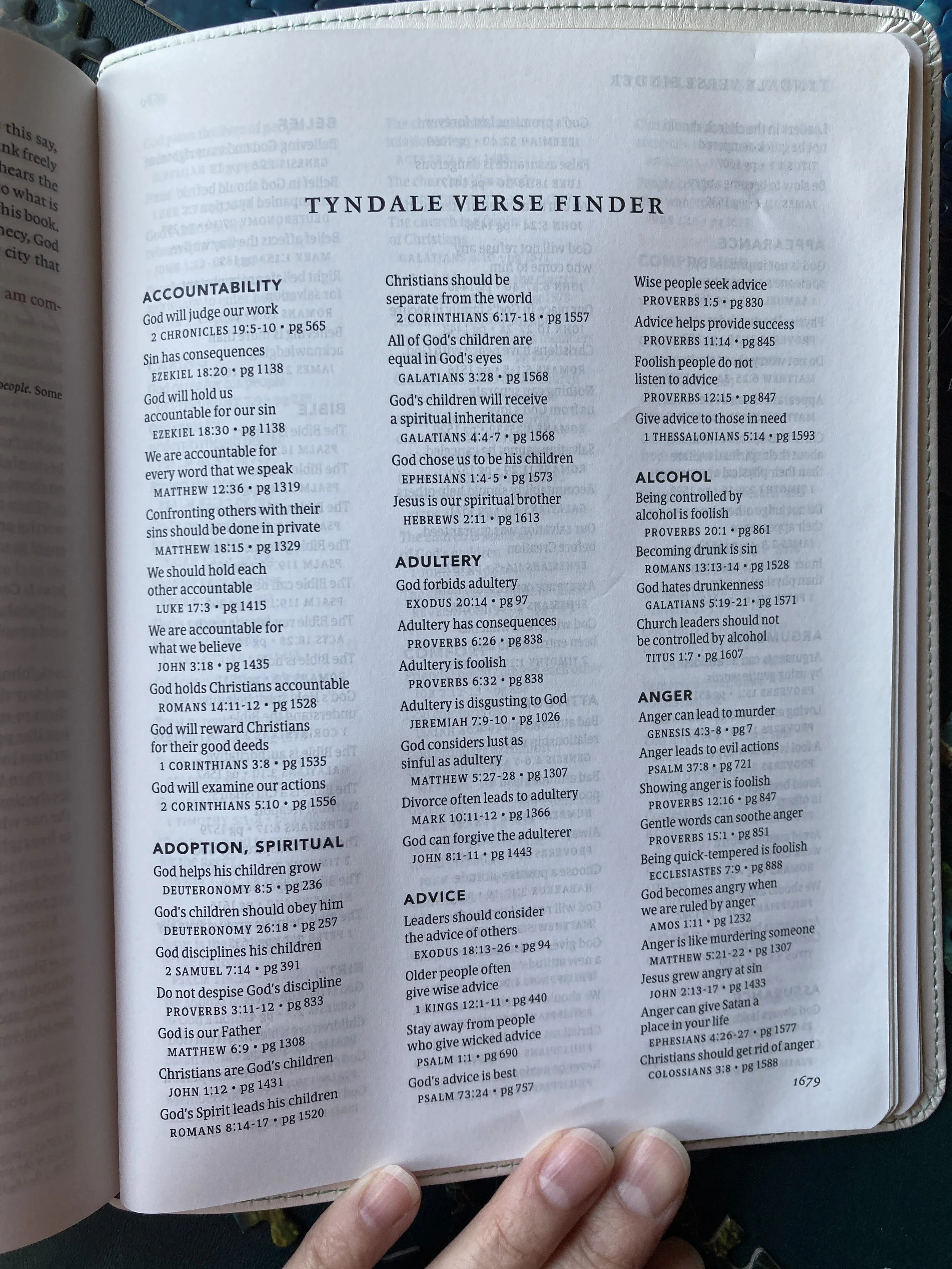
I like this feature as it makes it easier to look up verses on a specific idea or topic.

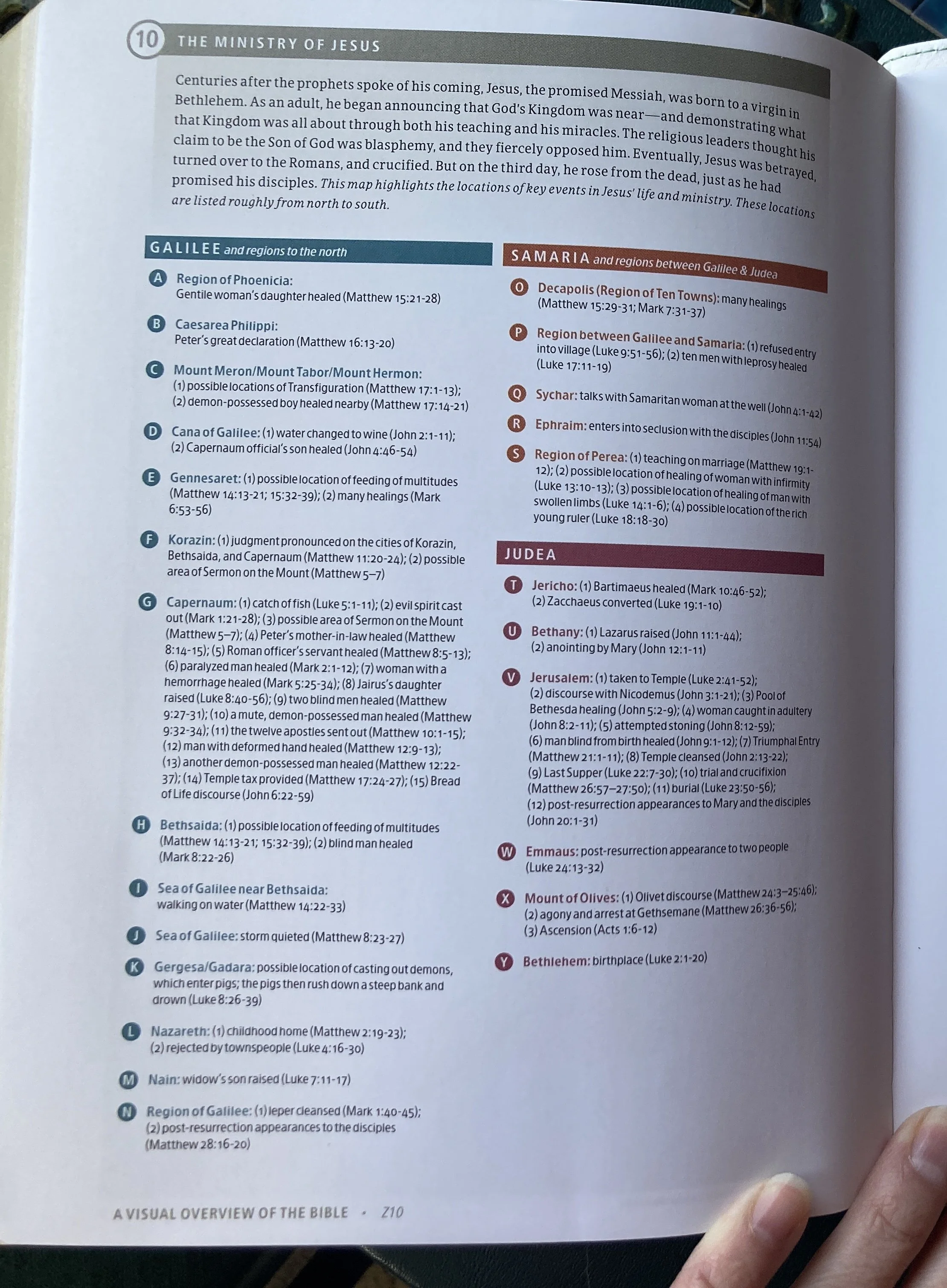
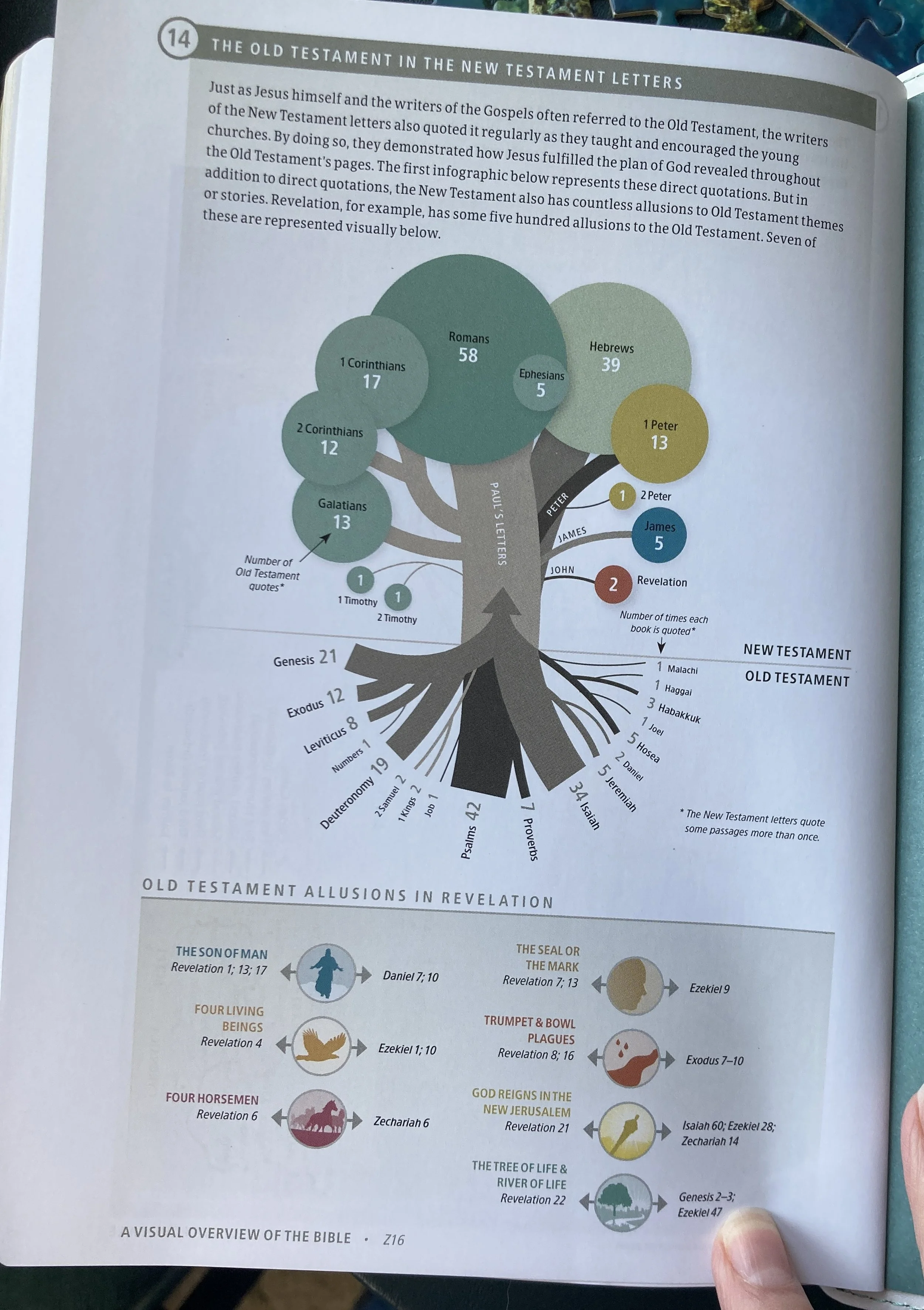
A Visual Overview of the Bible:
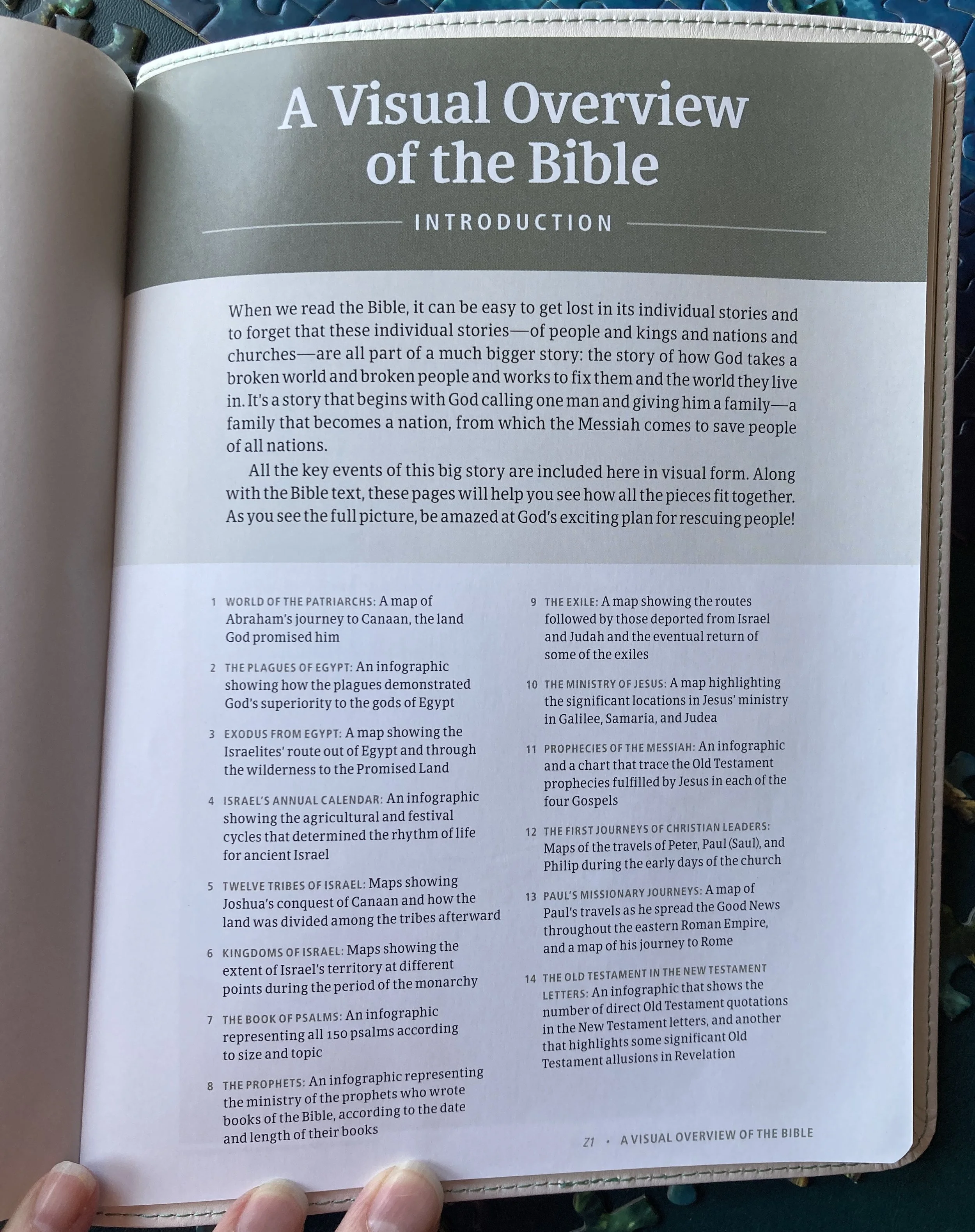
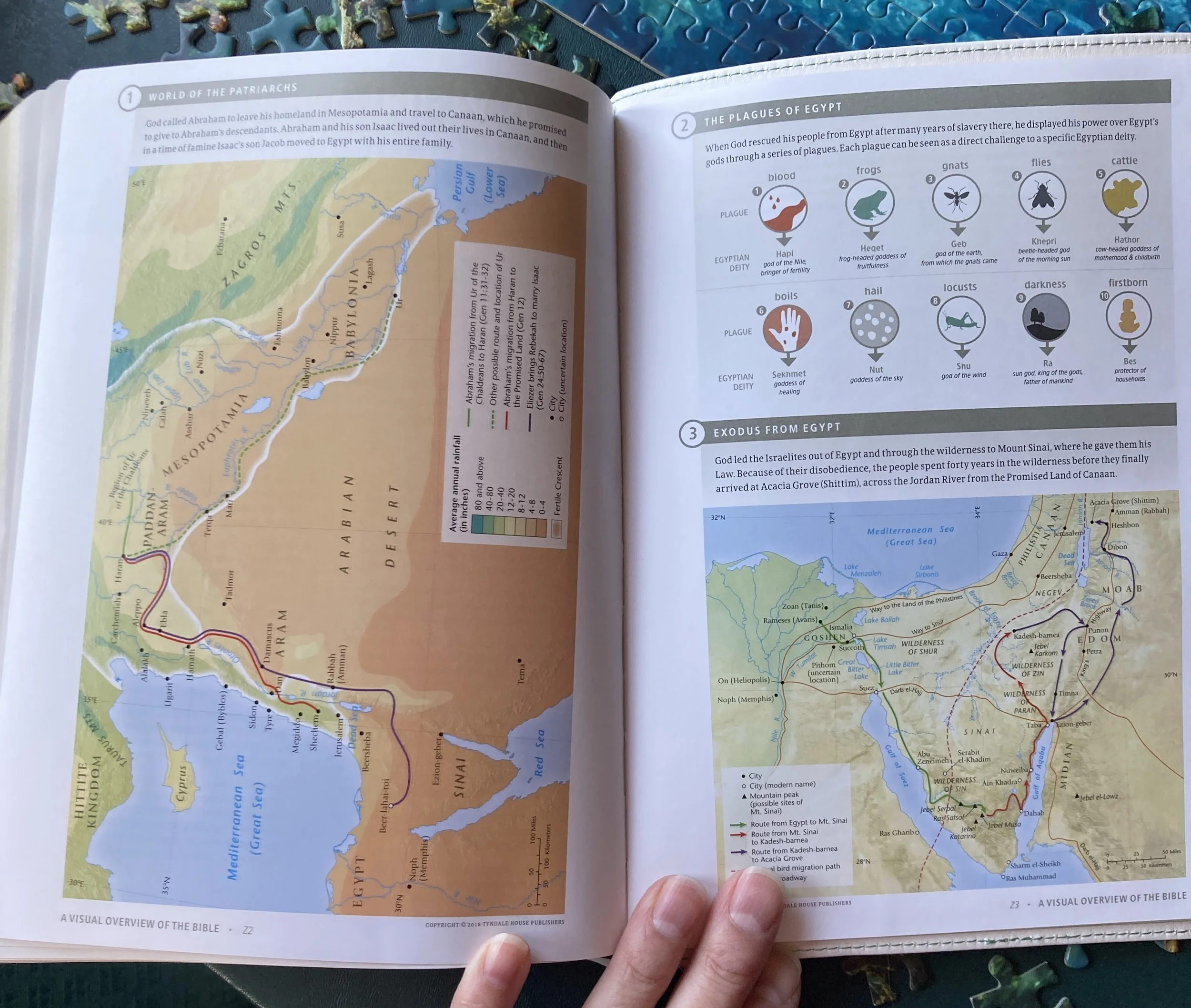
Maps:
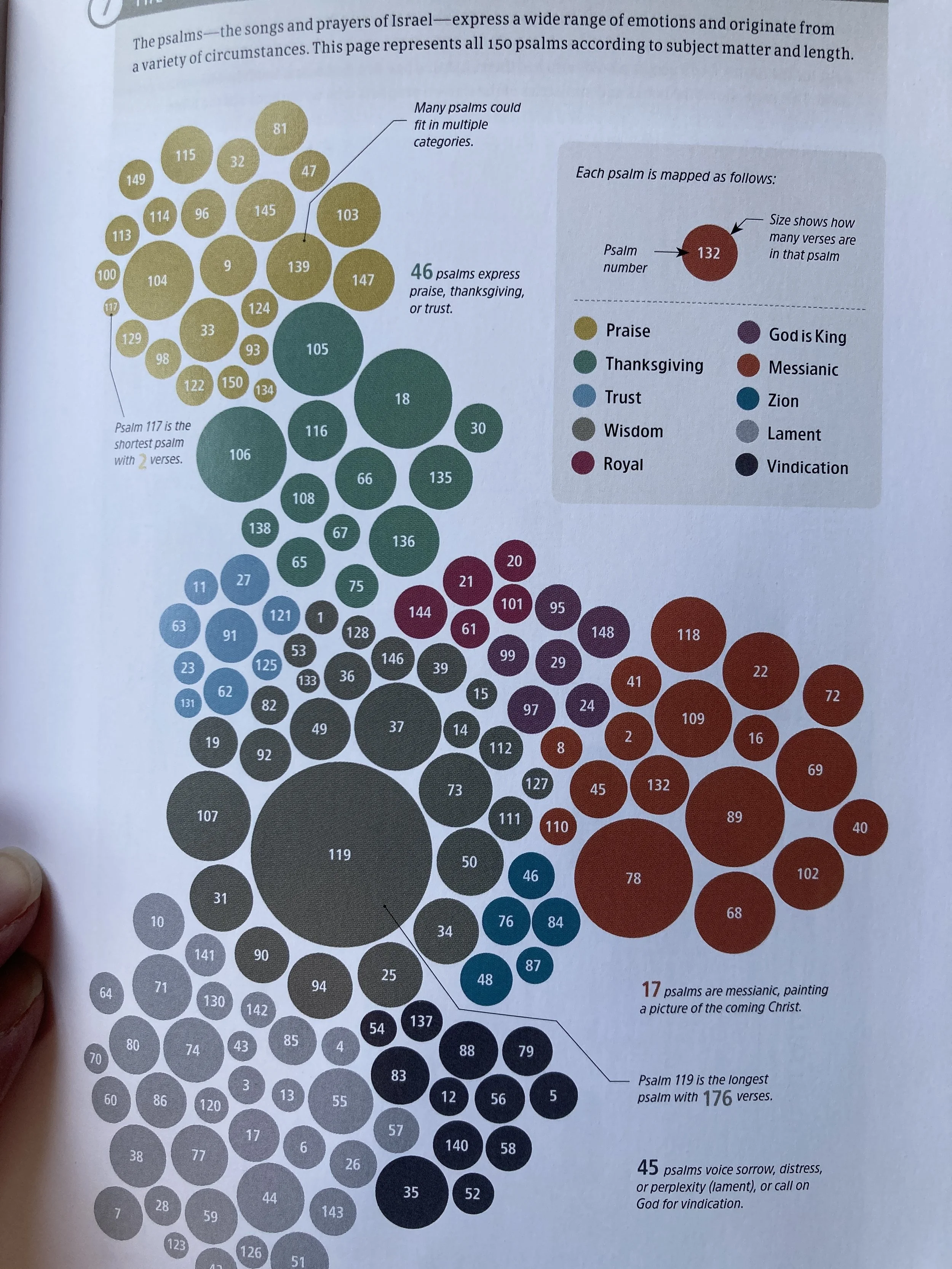
Pages with other interesting info:
This NLT Wide Margin Filament Bible offers the Holy Scriptures written in a way that is true to the original text, but in an flowing, easy to read style. I am very excited to download the Filament App and start using this Bible right away.

This is the perfect addition to your own personal library, but will also make a beautiful gift for a friend, loved one, or ministry leader. I do not see this exact Bible on the website, but there are lots of other beautiful options that have all the same details.

I hope you enjoyed this review.
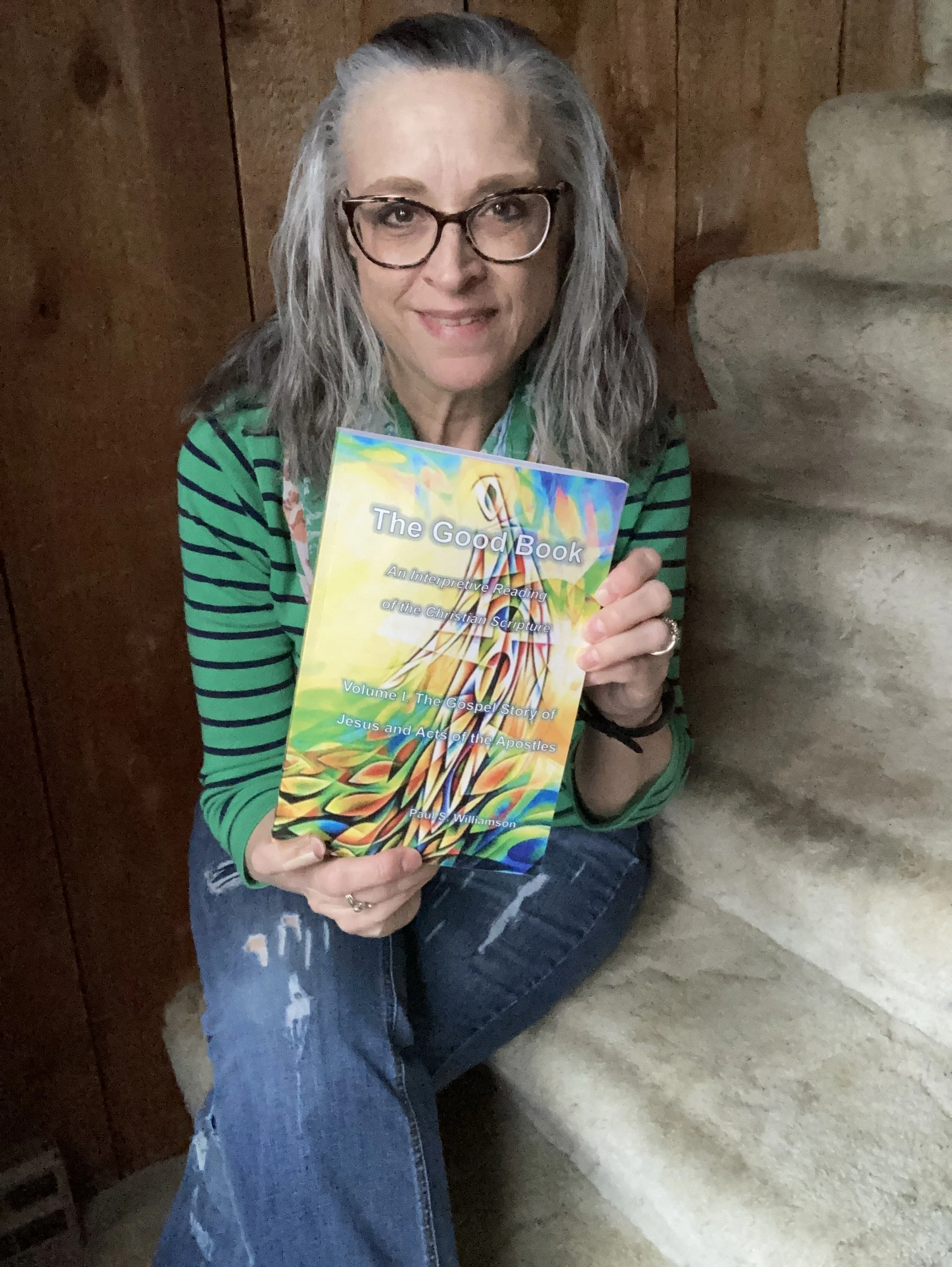
Book Review: The Good Book

This book review is being given in exchange for a copy of the book and a small monetary stipend. All opinions are my own.

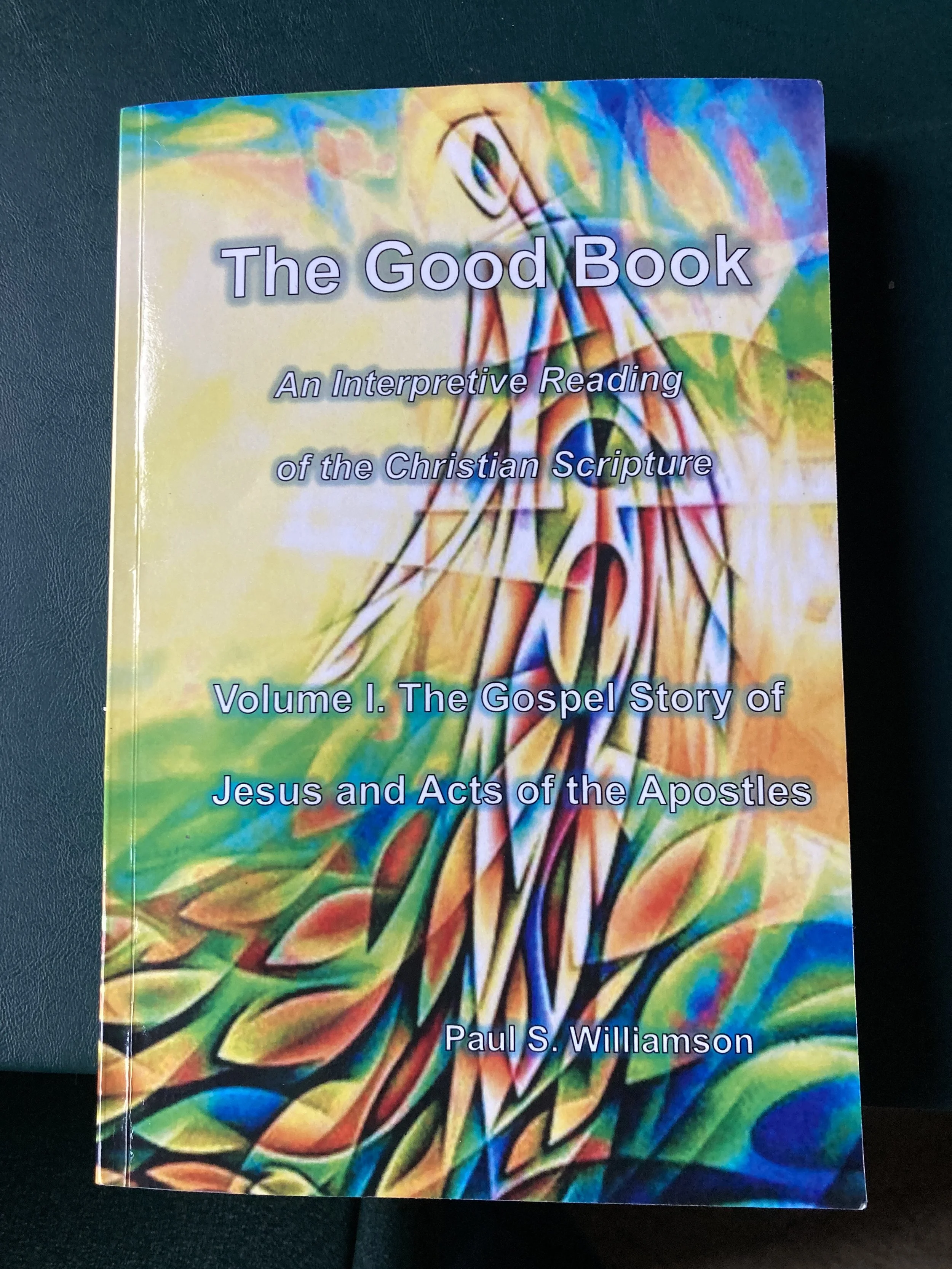
The Good Book by Paul S. Williamson is an interesting interpretive reading of the Gospel accounts and the Acts of the Apostles. Paul Williamson graduated from the University of Kansas with a BA and an MD. He also holds an MA, and a PhD in Biblical Studies and Languages from the Catholic University of America. After translating the entire New Testament from Greek after graduate school and with his blend of degrees in chemistry, medicine, language and the Bible, Paul felt uniquely qualified to write a Biblical account in easy to read, modern day language specifically geared toward those who find reading the scriptures a daunting and confusing task.

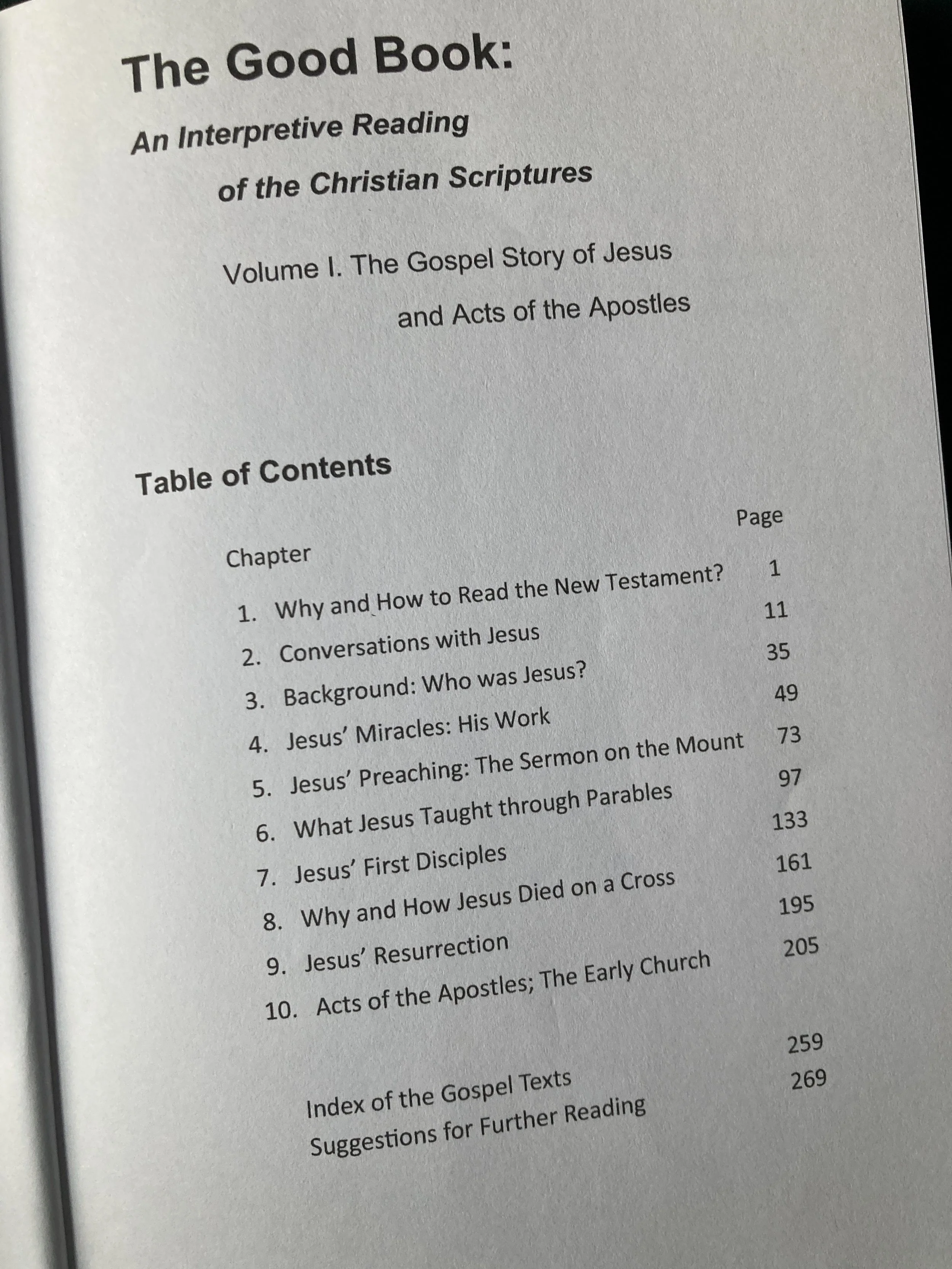
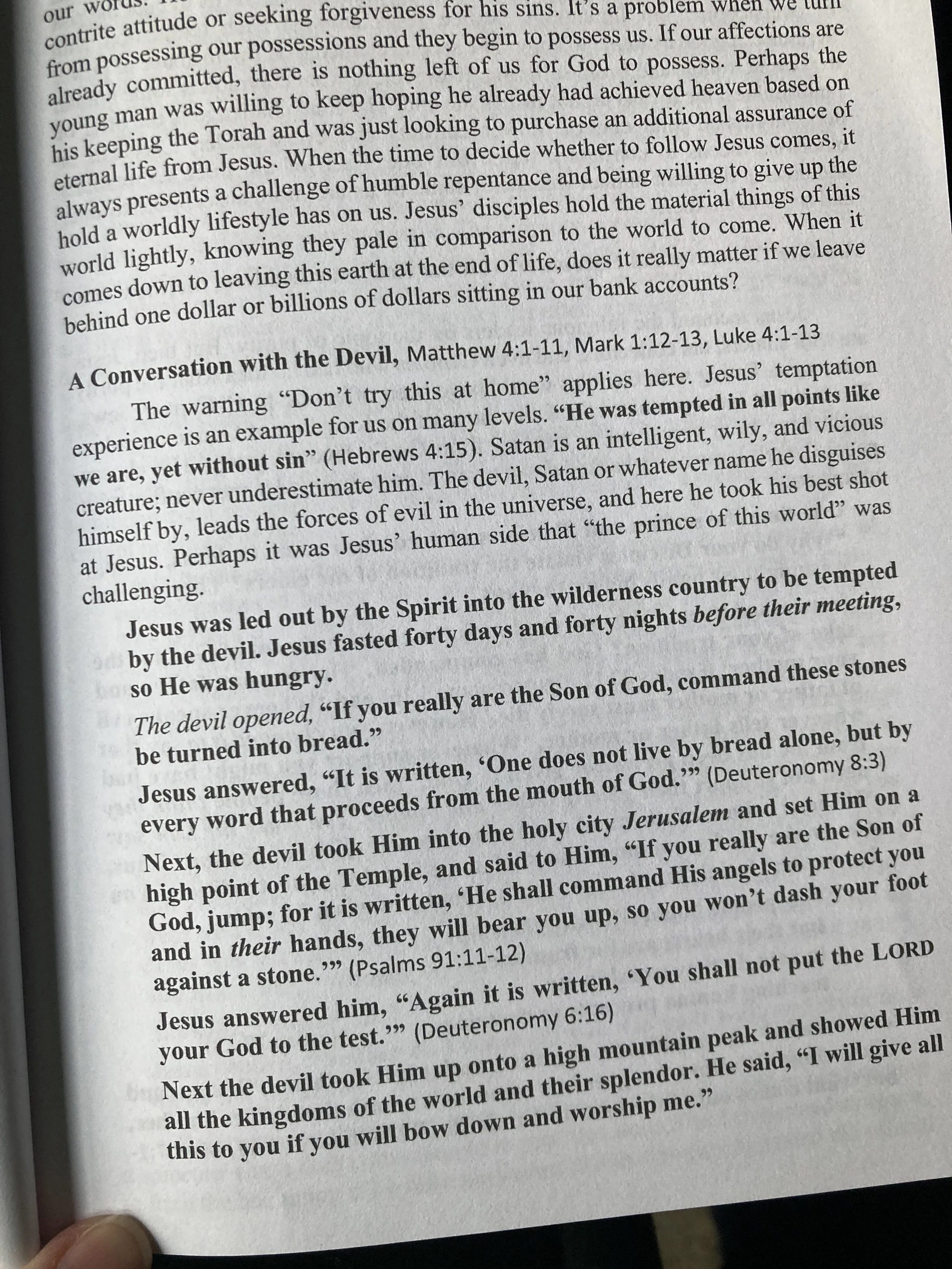
Rather than following the traditional forms of the Bible we currently have, or a chronological form, Williamson arranges his book starting with a in depth introduction on reading the New Testament, followed by Conversations with Jesus, covering many of the important interactions between Jesus and people like the religious elite - Pharisees and Sadducees, the rich young ruler, the woman at the well, Nicodemus, his own disciples and more. He writes out the passages where these conversations are found and includes references to all the Gospel accounts. I like this detail, as it then allows me to look up the various verses in the translation of the Bible I desire for my own study.

Williamson follows this chapter on Jesus’ conversations with a chapter on Jesus background, going into the details surrounding God’s choosing of Mary as Jesus mother, how Joseph was convinced in a dream to take Mary as his wife, where he was born, shepherds, the wise men and other points including Jesus’ early foray’s into the Temple.

The chapters that follow look specifically at Jesus miracles, the Sermon on the Mount, teaching through the Parables, the disciples, why and how Jesus died, his resurrection, and then closes the book with a look at the early church through the Acts of the Apostles.

Paul Williamson does an excellent job of adding his interpretations of the passages he presents in a way that reinforces his learning and knowledge, but enables the reader to understand and learn from them. He is not overly wordy, but also gives enough information to make important points and observations from the scripture.

I think I would have liked this book better if Paul had arranged it more in keeping with the actual Bible itself. I think he should have talked about Jesus background first, followed by the disciples, the sermon on the mount, conversations, miracles and so on. I think this arrangement would make more sense to the trained and the untrained reader and creates a flow that allows the reader to move along easily as they read.

That being said, I would still recommend this book as a resource, especially for someone who is looking at studying the Bible, or leading others in Bible study. It would serve as a reference that would allow looking things up with ease. For example if you are teaching on the Sermon on the Mount, you could go to that chapter in Paul’s book. If you wanted to discuss a particular interaction or miracle, you could reference those chapters quickly.

I think The Good Book would be beneficial book to have in a church library, as a Christian leader’s personal resource, or for someone who is interested in a different way to study God’s word.

Book Review: Bringing Heaven Here

(This book review is being done in exchange for a copy of the book. No money exchanged hands for this review, and all opinions are my own.)

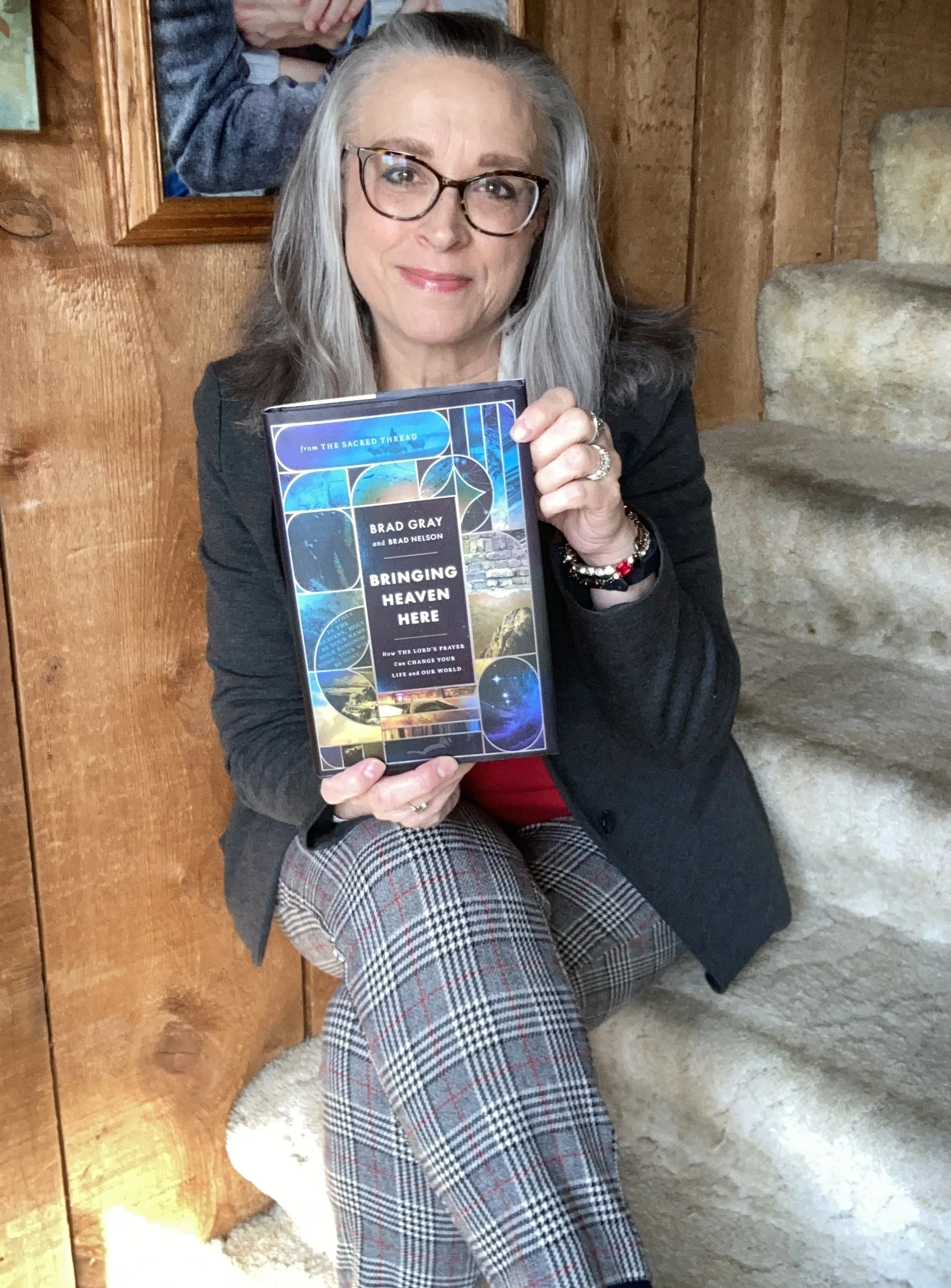
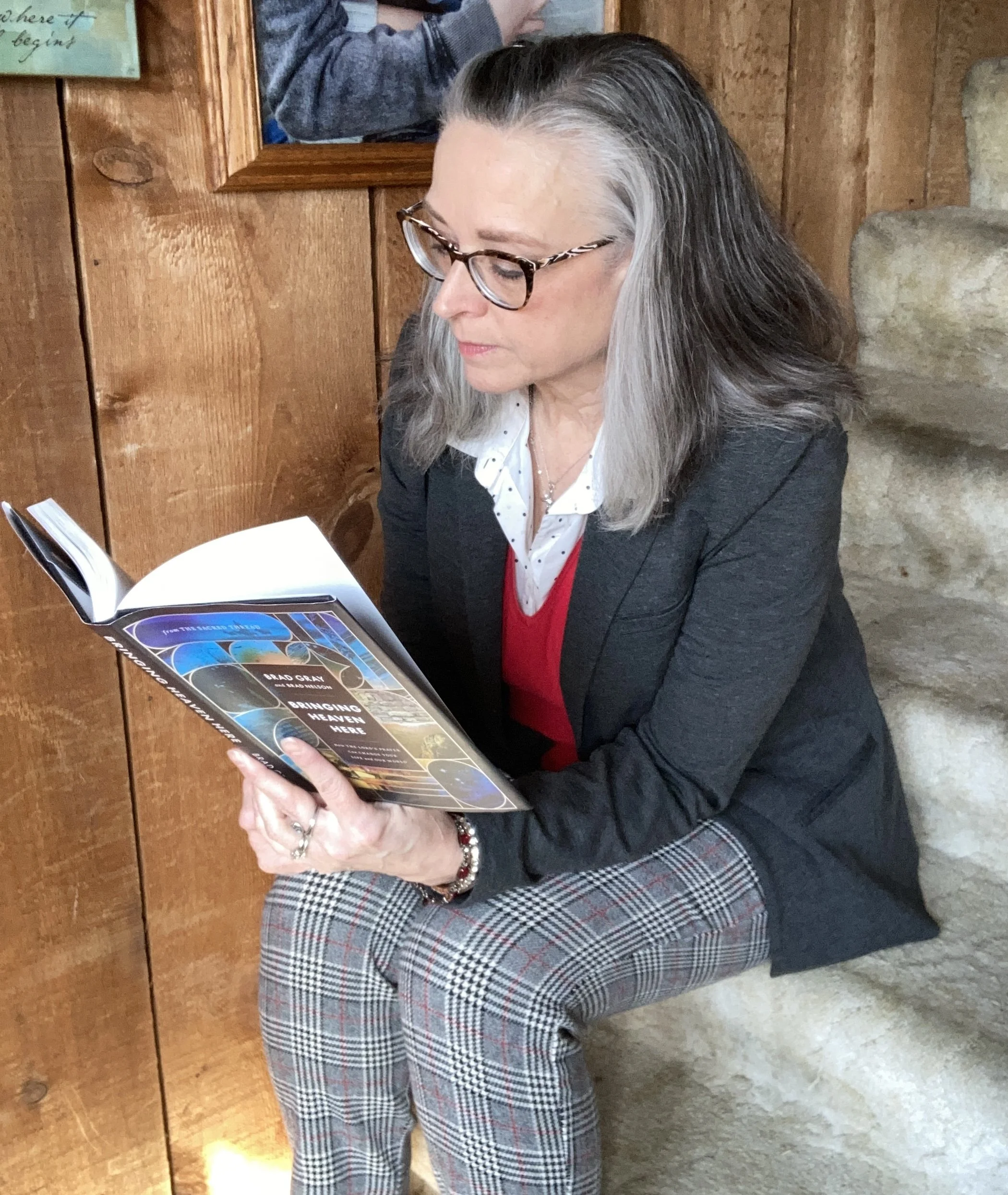
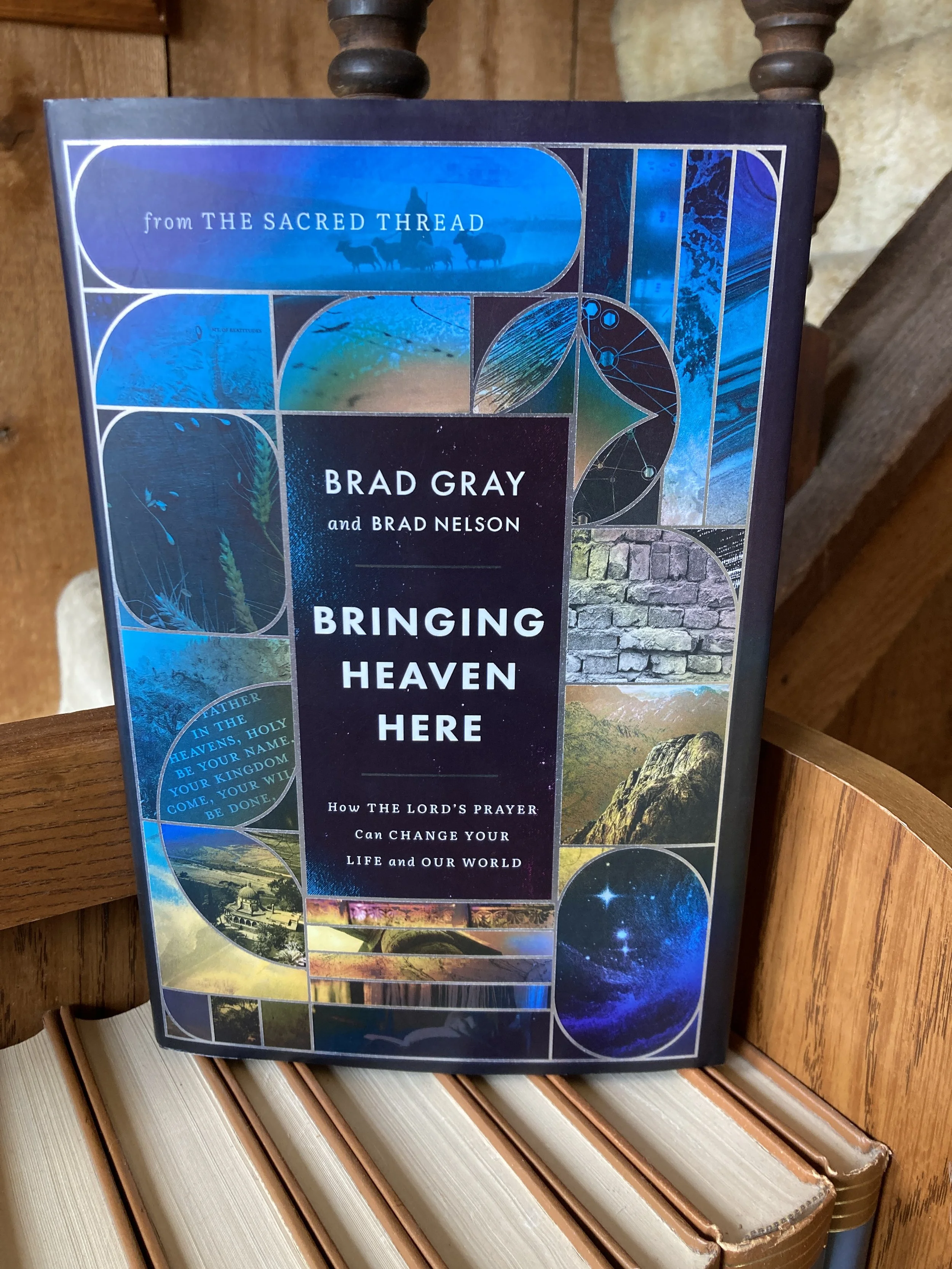
Have you ever experienced a time where you were struggling and feeling really discouraged, only to have God step in like a light breeze on a spring day? I experienced just that when I began to read, Bringing Heaven Here by Brad Gray and Brad Nelson. (Published by W. Publishing, a division of Thomas Nelson, 2025.) When I signed up to review this book about the Lord’s Prayer, I had no idea how much depth there was to this seemingly simple prayer Jesus prayed. I signed up out of curiosity and perhaps because I felt a tug at my heart saying, “This is something important for you to really understand.”

Most people who identify as Christian know the Lord’s Prayer and can recite it from memory. Even if they haven’t memorized it, they know it is something of importance to the church for nothing more than the reason that Jesus was the one who prayed it. I am not sure how many understand the significance of this prayer and the importance of delving into the cultural and historical context of the words and phrases that Jesus used. It is with this in mind that Brad and Brad wrote the book.

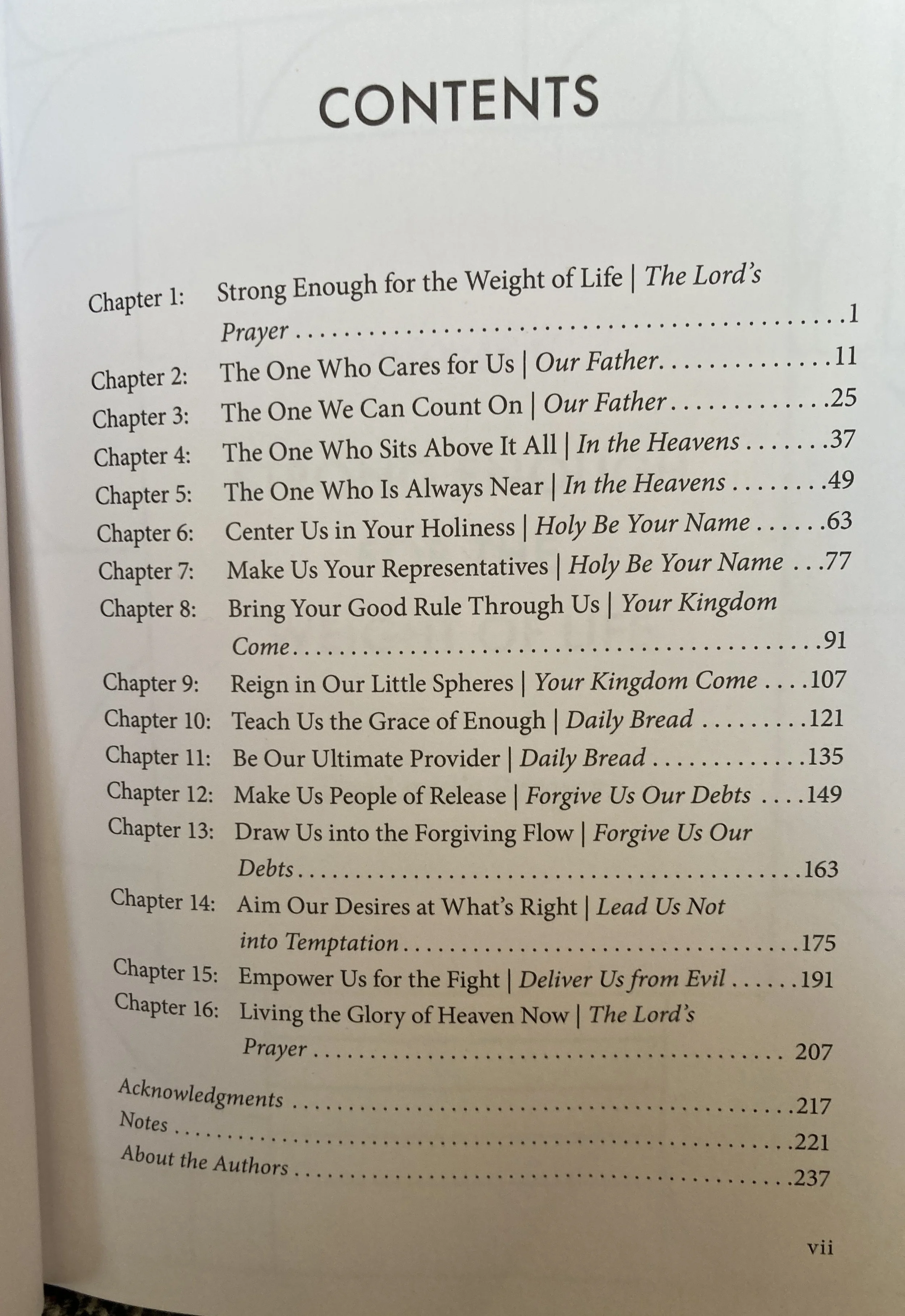
The book is laid out in phrases. For example the first two chapters are devoted to the phrase, Our Father. Each author then takes a chapter to discuss different aspects of what the phrase meant to the audience that Jesus was teaching it too, in other words his own disciples and the Jewish people who were listening to him speak. The following image gives you an idea of what each chapter looks like according to the table of contents.

In Chapter 1, Strong Enough for the Weight of Life, the authors write of this book:

It offers not just clarity but courage. Not just comfort but calling. In a noisy, disorienting world it will show you how the Lord’s Prayer can recenter your life around what matters most.
If you’ve felt like your faith can’t bear the weight of your real life, if you’ve ever wanted to start over with God but didn’t know how, if you’re hungry for something deeper than performance, more grounded than hype, and more human than reliegious cliches, this book was written for you
— Bringing Heaven Here - p. 9

After experiencing the death of my mother on Christmas, traveling, helping my brothers and family plan and implement her funeral, traveling home, having both my spouse and I get the Flu (which took us several weeks to fully recover from), and then on February 11th having the university where my spouse taught for nearly 37 years announce its closure at the end of this semester, I can tell you I needed something to remind me that God was in it. By the end of Chapter 2, I knew God, in His amazing love and knowledge of me, brought this book along at just the right moment.

There was a time I simply believed that God was love. But now, I experience him as a Rescuer, crashing into my pain and lifting me from the things that hold me back. He wants the exact same things for you, right now, with whatever pain you’re holding or whatever barrier you are stuck against.”
— Bringing Heaven Here - p. 23

Brad Gray and Brad Nelson use easy to read language as they walk us through the context of each phrase explaining why Jesus chose those words, and yes they explain the Hebrew and the Greek as needed. Jesus knew what these phrases would mean to his audience and the importance of Israel’s history pertaining to each phrase. After they have established context, the authors show how these phrases pertain to us as believers in Christ.

These are just a few of the things I was reminded of as I read about each phrase:

Our Father - He is the Father who hears, rescues and makes himself known. He is also the the Father that enters into the times between times; the wandering in the wilderness times; the time between what was and what will be, inviting us into intimacy during the span of delay.

Part of the genius of the Lord’s Prayer is that it summons us to resist the lie that ‘nothing’s happening’ by daily reminding ourselves of the truth that God is a loving Father who is leading us somewhere good. Even when we can’t see it.
— Bringing Heaven Here - p. 32

In the Heavens - Our Father sits above it all. He is the God of the heavens where the birds fly. He is the God of the heavens where the stars and planets hang. He is the God of the heaven where he is King and Lord. When I keep this idea in mind, I know that there is nothing he does not see and care about. He is also the Father who comes to us in the enchanted moments and brings heaven to earth. It’s those moments we remember his compassion and mercy.

Praying ‘Our Father in the heavens’ invites us to live with the conviction that the heavenly, unseen realm is as real and present as the air we breath—that every place can become holy ground if only we have eyes to see it.”
— Bringing Heaven Here - p. 56

Holy Be Your Name - Holiness is not about turning God into who I think he should be, but reorienting my life around his person and character. My response to his holiness should be one of fear (terror), awe and reverent respect. It also is meant to transform me from being a slave to sin and selfishness into a representative of the freedom I have in him.

...God’s holiness isn’t dangerous because he’s volatile or reckless or cruel. It’s dangerous because we’re fragile. His greatness and power don’t diminish to fit our expectations. He comes as he is: pure, radiant and blazing.
— Bringing Heaven Here - p. 69

Your Kingdom Come - I was created to be God’s representative and to co-rule with him as a queen through worship, and service. His kingdom isn’t some far off, heavenly realm it is “the rule and reign of God advancing here on earth, bringing healing and wholeness by pushing out the chaos.” (Bringing Heaven Here - p. 100.) I am able to look at my life as a ministry of Jesus, not because of who I am, but because of who he is.

This is how the kingdom comes: not all at once, but in small, faithful choices to live differently. Little by little, your kingdom will reflect more of heaven’s priorities, proving that the gospel really is good news for the world.
— Bringing Heaven Here - p. 114

Daily Bread - I will experience Christ’s sufficiency as I surrender to him. The idea of just enough keeps me dependent on him. Christ is our real contentment.

Contentment is the posture of heart that says, I don’t need more to be at peace. It’s one of the most powerful antidotes to the when-then thinking that fuels our scarcity-induced anxiety.
— Bringing Heaven Here - p. 131

As I read on about Forgive us Our Debts, Lead us Not into Temptation, and Deliver us from Evil I was amazed at the depth of understanding these two authors had and how praying this prayer on a regular basis with these truths in mind will change our lives. Brad and Brad also include a wealth of quotes from both secular and Christian authors supplying a hefty list of end notes at the back of the book. Many of whom would be other good sources to read.

I think Bringing Heaven Here is a book every Christian, from pastors and ministry leaders to parents, to business leaders, to government officials, to married couples, to aging seniors should own and read more than once. This is a book you will want to hang on to and read again and again.

Also check out this trailer for The Lord’s Prayer video which is streaming on Angel.

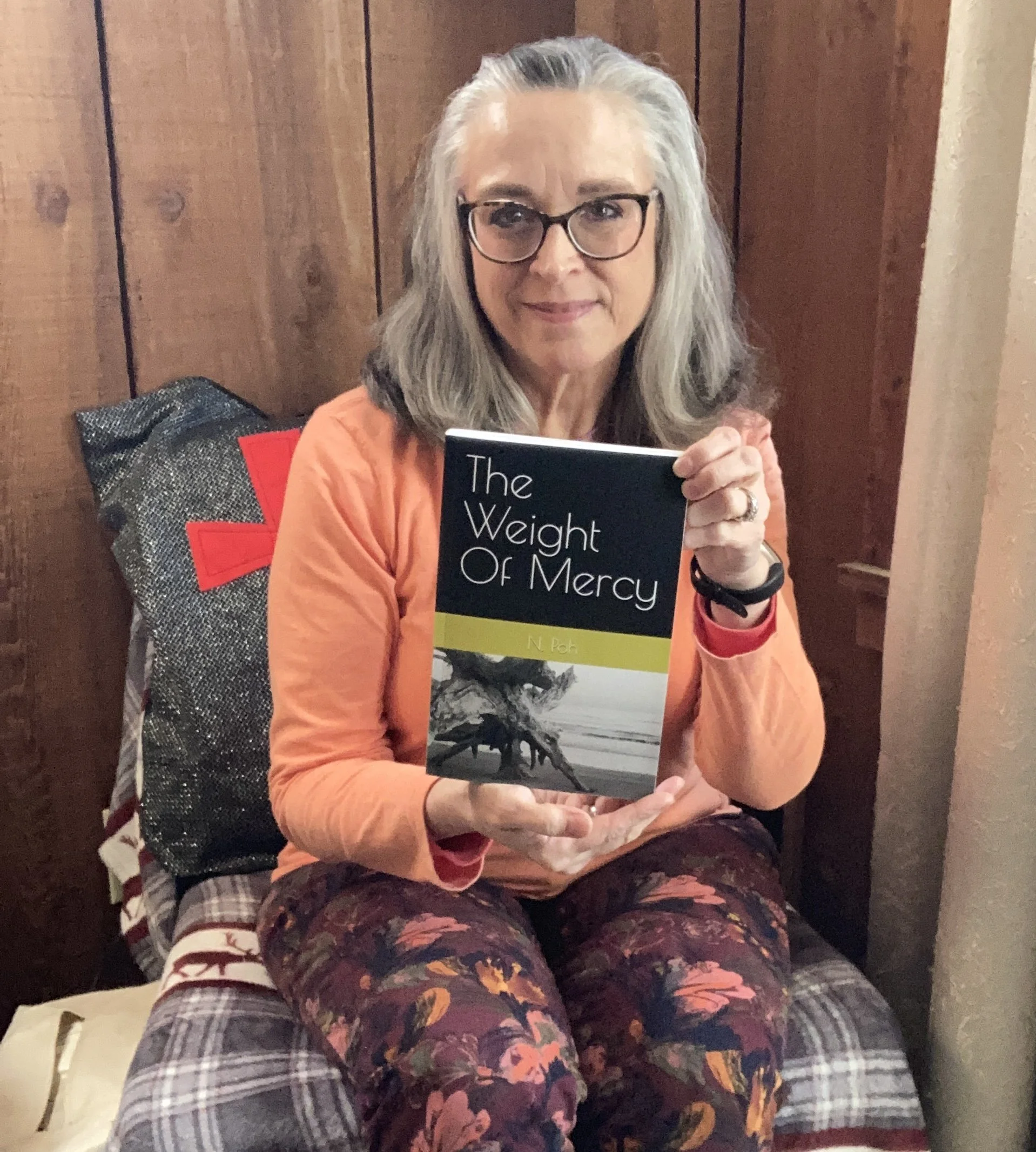
Book Review: The Weight of Mercy

(This book review is being given in exchange for a copy of the book and small monetary stipend. All opinions are my own.)

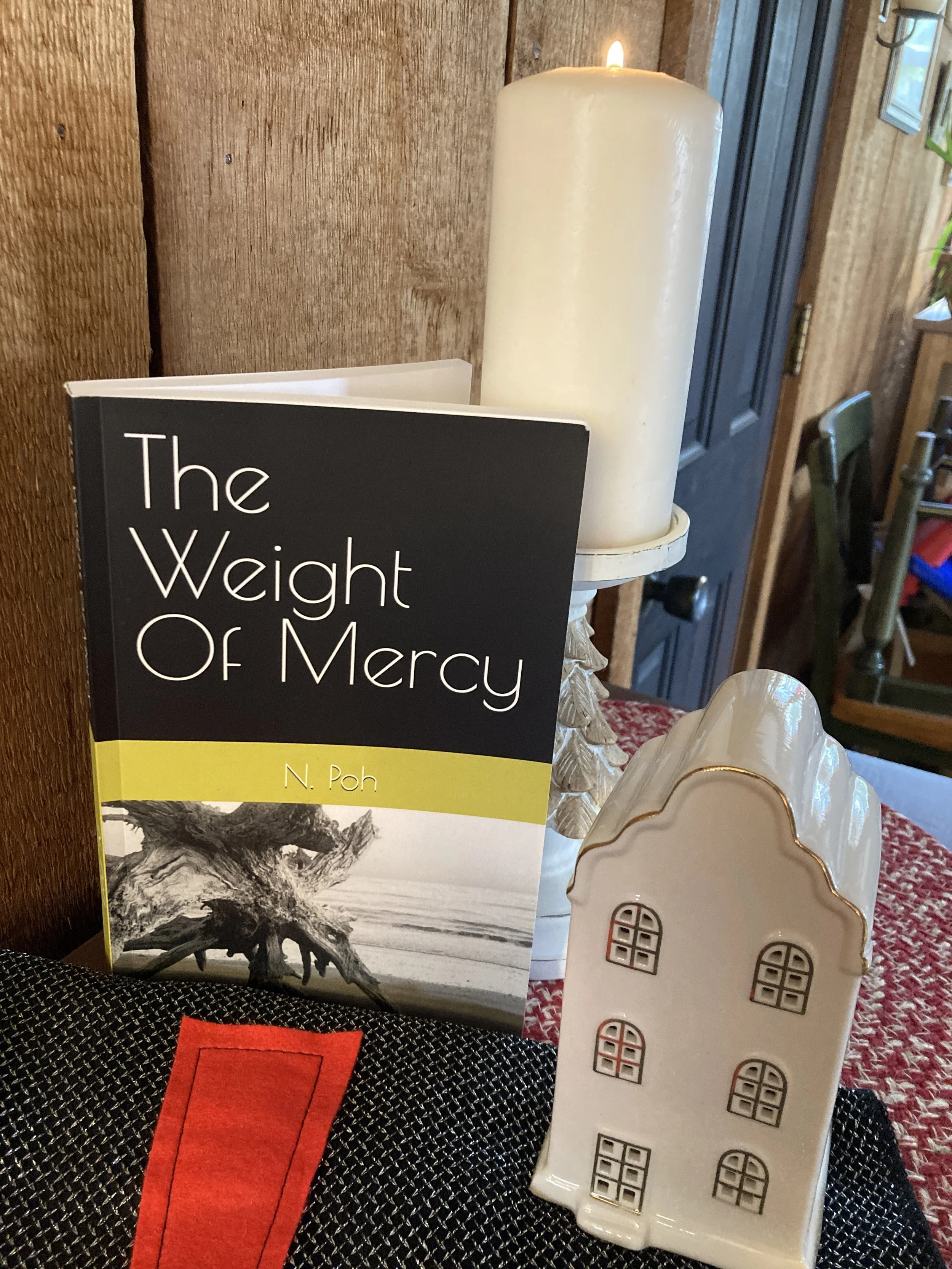
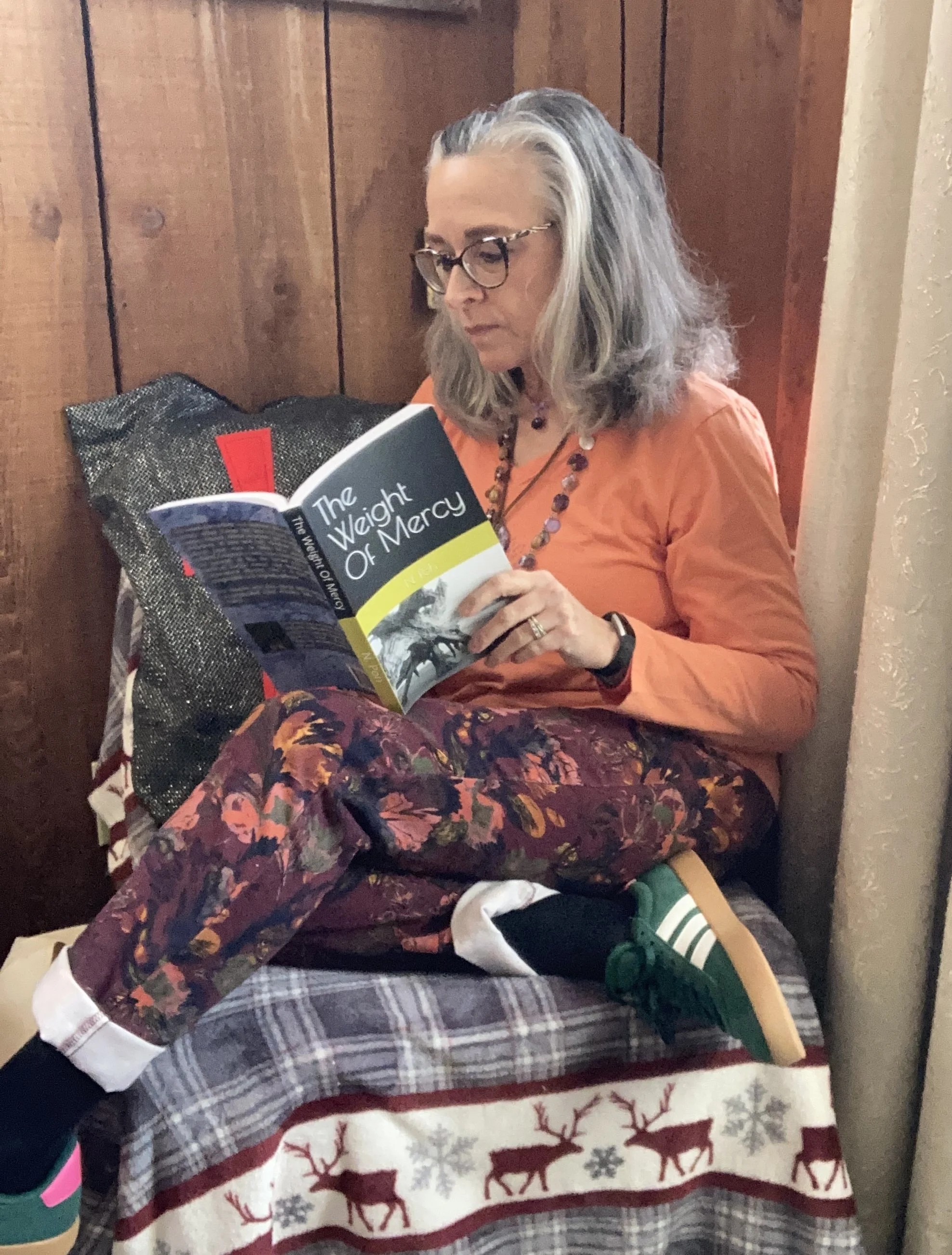
When life becomes too difficult, I often turn to books to take my mind off my own circumstances. I read lots of non-fiction Christian books, and I have read my fair share of novels written by secular authors. I used to be in a book club with our daughters back in our home schooling days, and we also used numerous literature based curriculums for history, and other subjects like geography. I have read historical fiction, romance, science fiction, and mystery, but my all time favorite has been fantasy. I particularly enjoy faith based books where I don’t have to worry about explicit sex or language. When I read the synopsis for Weight of Mercy (Book 1 of The Chasm Cycle) by Nigel Poh, I was intrigued, so I signed up to do a review. I was not disappointed.

In this alternate historical time period we step into a fantastical world that is somehow both strange and familiar. The year is 1305 AD. The world has changed due to “The Chasms — fissures that birthed a tide of demons…” leaving “…the Holy Roman Empire in ruins and the Kingdom of France a scattered memory. Much of what should be has vanished, replaced by things that shouldn’t exist…” (p. 5, The Weight of Mercy). We see eras trickling together, and timelines upended.

Poh builds a world using a cast of characters; ones we cheer for and ones we want to see vanquished; but all who are part of humanity. In a world that is overrun by demonic entities and powers, humanity is what binds them together. It is in this combined humanity we are immediately introduced to Lord Stephern, a knight of the Church, serious, quiet, but a man with deep principles and faith; his fellow soldier Sir Bessian, a man of humor, and strength; and Captain Dosh, a ranking member of the Crown and commander of Lady Horst’s guards.

Weaving the workings of the Church with the undercurrents of political power mongering, we are drawn into the society of Clairval, home to one of the citadels of the church housing a training ground for new paladins, a great hall able to seat 1,000, an armory stocked with normal and blessed weapons, and several libraries where military strategy and church doctrine are stored. It is in this city where much of Poh’s story unfolds.

As this drama continues a dark weight descends throughout the land. There are skirmishes with otherworldly beasts like ghouls, vampires, massive demonic bears, and revenants, the living armor of knights long dead. The hefty hand of evil shows up all over the city in the form of chanting children drawing strange patterns in the dirt; fists fights between friends, and even a young woman who throws herself off a building. We see our heroes suffering through hunger, wounds, wrongful imprisonment, attempts on their lives, and the pain of seeing their own friends die. However, they know the God of the universe is in it. This faith and the willingness to be humbled in His service is what eventually helps to bring light back into the darkness.

This book was an unexpected treat. It combines fantasy, historically accurate details, exciting battles, close friendships, political intrigue and faith in a tale that moved me from fear, to laughter to tears. If you are a person of faith, and love to read historical fiction, and fantasy combined, The Weight of Mercy is for you. I loved how the author was able to create a feeling of investment in me, the reader from page one. Poh has a talent for description, dialogue, and character building that is so important in any novel, but particularly in the complex layers of the fantasy genre.

I am lookin forward to the next book in The Chasm Cycle.

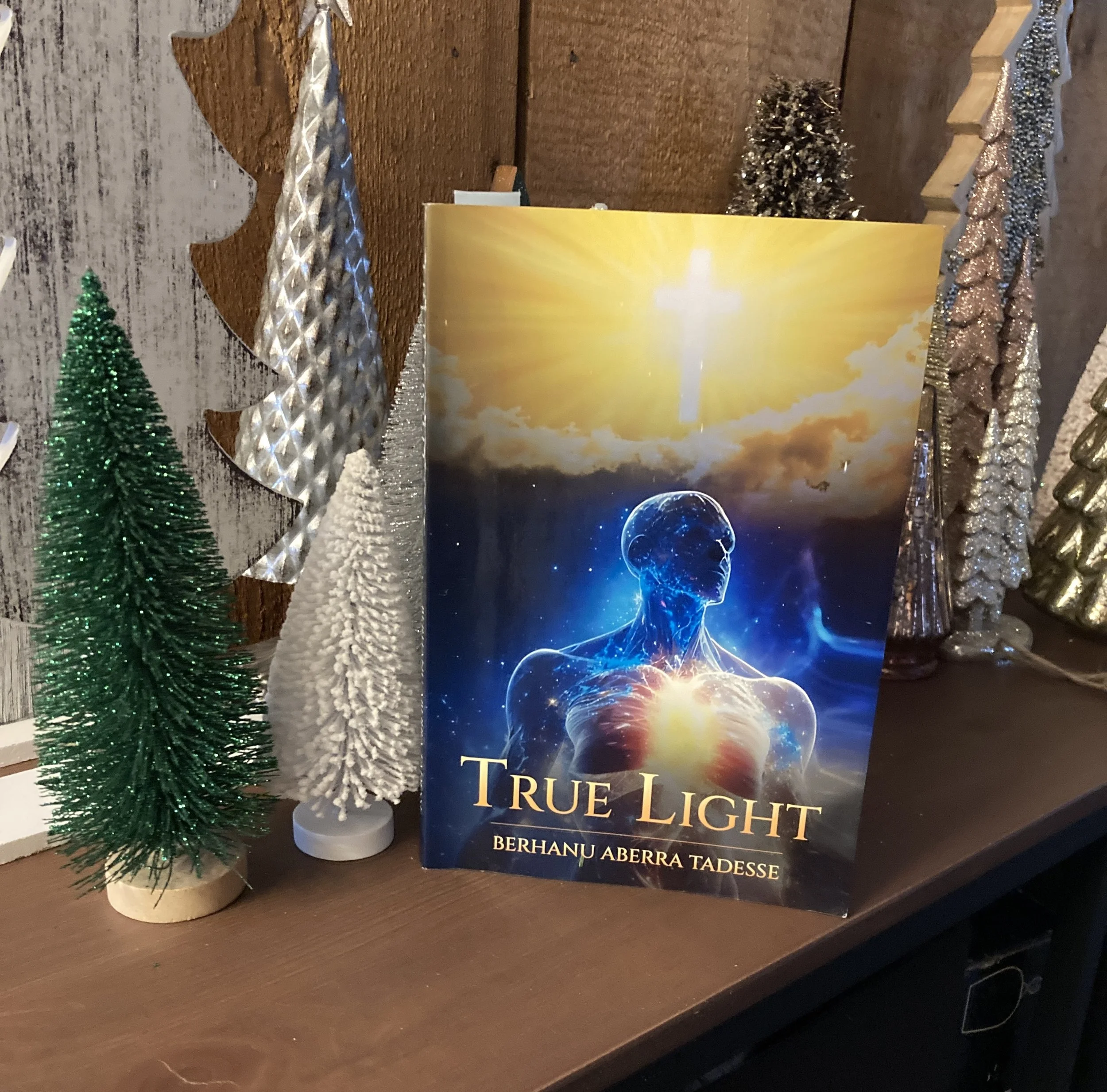
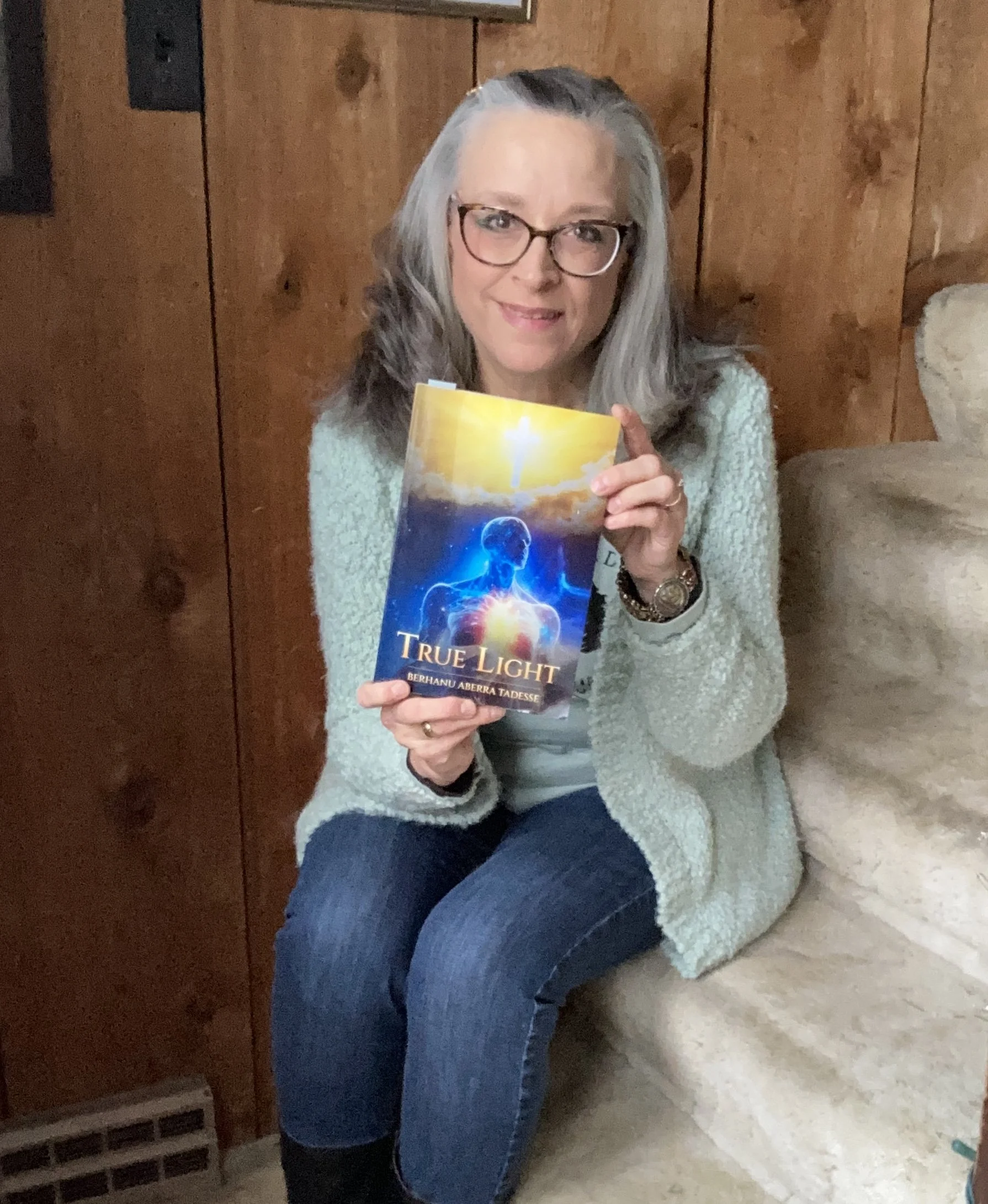
Book Review: True Light by Berhanu Aberra Tadesse

This book review is begin given in exchange for a copy of the book and a small monetary stipend. All opinions are my own.

Berhanu Aberra Tadesse has had an interesting faith journey. Born in Ethiopia he attended Ethiopia Aviation University earning his associates in aviation maintenance. At the age of 25 Berhanu began to search for the meaning behind our existence, answers to his endless questions about life and an end to the ever present confusion he felt. By 28 he immersed himself in books and teachings by numerous authors and authorities. Many of those teachings deepened his understanding of life, but they still felt incomplete.

I appreciated their discussions about spirituality, interconnectedness, and universal wholeness, but I could not accept the idea that I am a God...I eventually decided to begin reading the Bible, as friends and peers suggested that if I approached the throne of god and prayed for true understanding, He would reveal it to me.
— True Light p. 29

Berhanu took the advice of his friends and prayed for God to show him if he was the one true God. On that same day, he felt compelled to open the Bible to a random spot and this is the first verse he read.

5 You shall love Yahweh your God with all your heart, with all your soul, and with all your might.
— Deuteronomy 6:5 (World English Bible)

Berhanu described the experience in this way.

I was astonished at the notion that God truly communicated with me. I cannot explain how, but deep within me, I knew and believed unequivocally that it was God speaking to me.
— True Light p. 30

True Light is what followed Tadesse’s struggle over a period of years to give his life completely over to Jesus. The book is the cumulation of how Berhanu came to understand the importance of maturity in Christ. Through scripture, personal insight, philosophical underpinnings, and descriptive text Bernahu shares a deep dive into life after we accept Christ.

Berhanu also discusses the problems, not just in our own country, but the whole world with division and lack of unity. He intimates that true unity will only be found in Christ and in the Kingdom of God, and it is only in maturing as a Christ follower that we begin to come in to our true selves; who God desires us to be.

The book is divided into five parts: Part One - True Light - speaking to truth, and understanding the state of our hearts, wills and minds; Part Two - Unity is Found Solely in Christ - the work of the Holy Spirit in our lives; Part Three - The Kingdom of God - covering concepts of our Christian walk such as righteousness, peace, power, love, self-discipline, and gratitude; Part Four - Entering the Kingdom of God - a look at dualism and how it affects our lives through choices like humility vs pride, love vs selfishness, and embracing a mind of unconditional love; Part 5 - Enjoying the Kingdom of God - finding believer’s rest in Christ, spiritual warfare and putting on the new man.

My personal take on True Light is that it is a good resource for any Christian to read and even to keep in their personal library. I am planning on going through it again with a highlighter in hand. I do want to point out that the book, at this point is self published, and there are a number of printing mistakes where words are not divided correctly. In addition there were a few spots where I thought quotation marks were needed. I also would have liked if the author would have given a little more thought to chapter divisions and length. It could have been streamlined with a few simple changes.

However, I do believe this is a valuable book to have in your personal library, especially in this day and age when unity is such a hard thing to find. True Light gives each of us as Christ followers a review of what is really important in our faith, and reminds us that maturity in Christ is essential for becoming a believer who not only experiences the richness of God’s blessings, but is also able to be used by Him to influence others towards His Kingdom.