Leaning In - Getting Back to Basics when Life is in Upheaval - Part 4: Diagnosing the Problem (C) Too Much Isolation
A few weeks ago I started looking at how too much information and being too busy can affect our faith and our ability to remember what is truly important in our walk with Christ. This week I want to focus in on the idea of too much isolation.
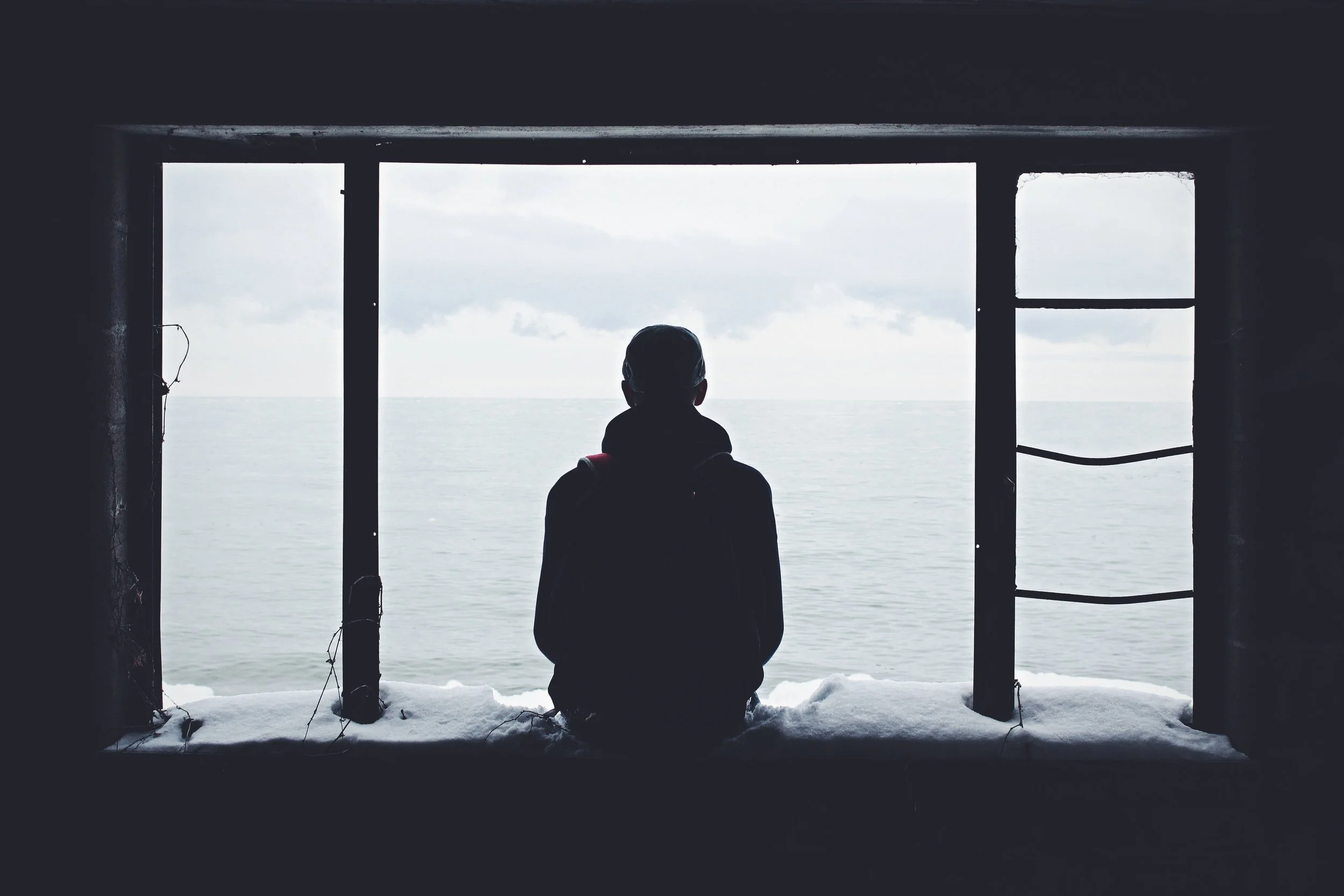
It might seem strange that we can be overloaded with information, be too busy and still feel alone in the universe. Unfortunately, when we are busy and are constantly looking at other people’s opinions and lives, it is easy to feel like you are totally isolated. How is it that many of us feel or are choosing to live like hermits in a world that is even more socially oriented? I believe much of what we are experiencing hales back to the explosion of social media and the trickle down affect it has on our minds. I also believe isolation results from a foundation of fear.
Before I get into specific fears that lead to isolation I want to look at what God’s word says about fear.
“The fear of the Lord is clean, enduring forever; The judgments of the Lord are true; they are righteous altogether.”
“Who is the man who fears the Lord? He will instruct him in the way he should choose.”
“Let all the earth fear the Lord; Let all the inhabitants of the world stand in awe of Him.”
“Even though I walk through the valley of the shadow of death, I fear no evil, for You are with me; Your rod and Your staff, they comfort me.”
“Though a host encamp against me, My heart will not fear; Though war arise against me, In spite of this I shall be confident.”
“‘Do not fear, for I am with you;
Do not anxiously look about you, for I am your God.
I will strengthen you, surely I will help you,
Surely I will uphold you with My righteous right hand.’”
“So do not fear; you are more valuable than many sparrows.”
“For God hath not given us the spirit of fear; but of power, and of love, and of a sound mind.”
I could go on citing verse after verse containing the word fear in the Bible. There are two ways fear is used. Let’s look at how the word fear is defined:
“1 a : an unpleasant often strong emotion caused by anticipation or awareness of danger
b : a particular instance or category of this emotion
2 : profound reverence and awe especially toward God
3 : reason for alarm: Danger”
To fear God can actually fall under any of these definitions. For the believer we usually associate the fear of God with a weighty reverence and awe of Him. We know He is an infinite being far beyond our human understanding. We believe He created the world we live on from nothing, and humanity from the dust of the earth. We recognize His holiness, and our inability to measure up to that holiness because of our sin nature. We also believe that He provided restoration through the life, death and resurrection of His son Jesus. We are cognizant of our complete unworthiness and His profound mercy and grace.
Those who do not know God may not fear Him in this life. Unfortunately, one day they will recognize He is a dangerous and glorious being who loved them lavishly, but because of their disobedience now has to allow them the end result of their choices; an eternity apart from Him; an eternity of solitude, darkness and pain.
This leads me back to this idea of isolation. How does isolation stem from fear, and how does that affect our faith walk? Let’s take a look at three fear based ideas and quickly talk about how that affects our belief in Christ.
Fear of the Unknown.
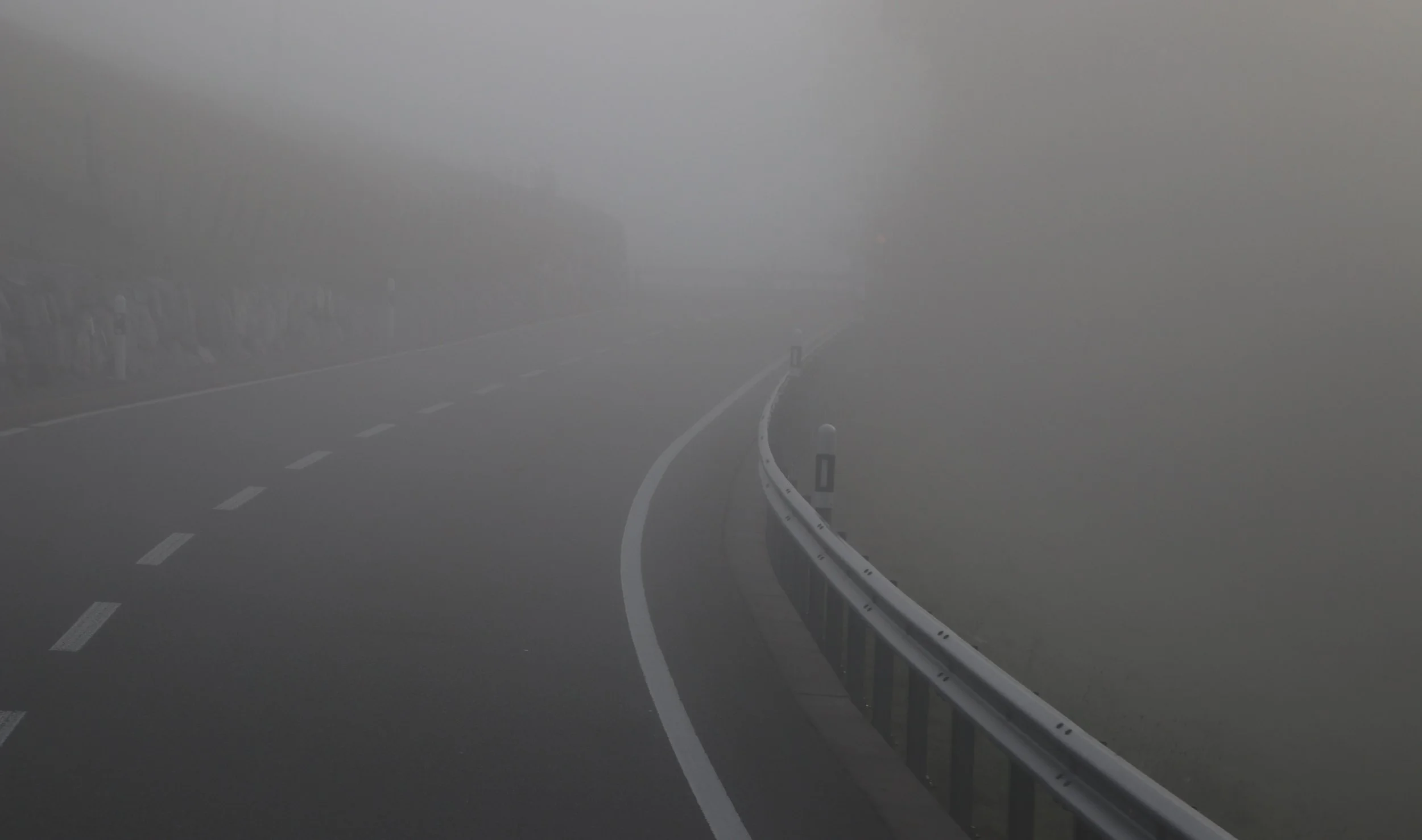
Image by 🌸♡💙♡🌸 Julita 🌸♡💙♡🌸 from Pixabay
When the world went into panic mode during the Covid Pandemic many institutions shut down including schools, colleges, non essential government agencies and courts, theaters and other entertainment venues, libraries, and many retail businesses. The world was in flux. It pivoted and adapted with online learning, online ordering for groceries and restaurants, masking, and eventually the vaccine. People were fearful, and anxiety was high.
Today we are still only discovering the the tip of that shark fin that became the ramifications of the pandemic. From teens and young adults going to therapists in record numbers for their fears and anxieties, to the long term effects on those same young people of being isolated from normal routines, activities, and interactions with friends and teachers, to the long term changes on many who took the initial doses of the vaccine before it was properly vetted and studied, fear has become a constant companion.
We don’t like change, and even more we do not like the unknown. The unknown is a dark, scary place. How do we deal with it? We get therapy, take meds, throw ourselves into our hobbies, our work, our families, or on the darker side we enter into addictions like porn, alcohol, and drugs. We rally for causes and philosophies that don’t give us peace of mind, but rather stir us into an even more chaotic frenzy of fear and frustration. We become afraid of learning, changing and growing and become stuck in a rut of isolation and self-absorption. Even we, as Christ followers are guilty.
Look again at Isaiah 41:10
“‘Do not fear, for I am with you;
Do not anxiously look about you, for I am your God.
I will strengthen you, surely I will help you,
Surely I will uphold you with My righteous right hand.’”
If you walk with God you are never alone. He is always with you, and therefore you do not need to be afraid of what is unknown. He will guide you through and help you through every up and down in life.
Fear of Rejection.
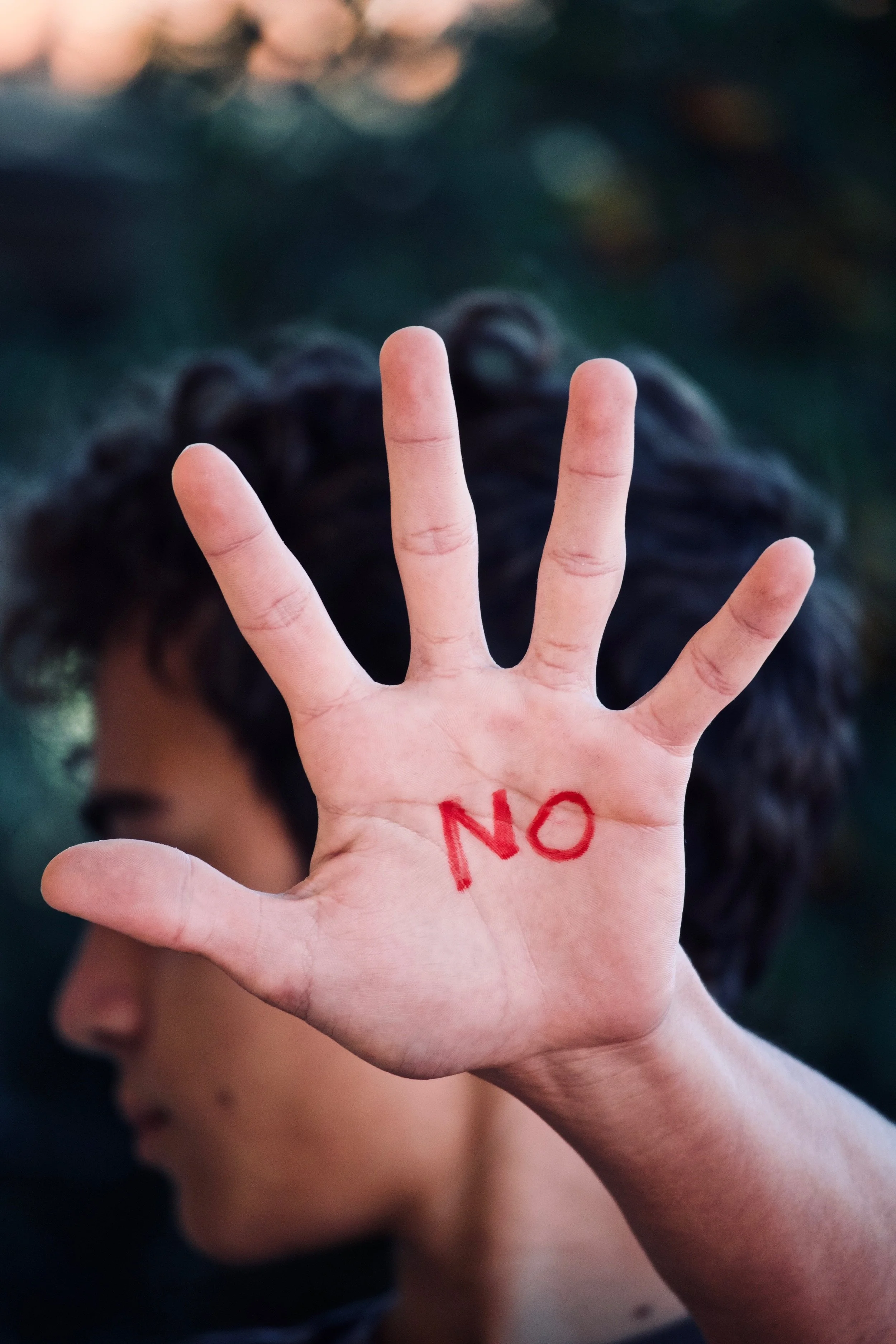
Image by Luisella Planeta LOVE PEACE 💛💙from Pixabay
Often we isolate ourselves after we have faced rejection. I know many people who have left the church, because they have been rejected by people who were supposed to be of the same faith and mindset. This rejection has not always been flat out rejection, but was often clothed in the guise of well meant sharing that in reality was gossip. It has also been cloaked in the insidious robes of authoritarians who twisted and manipulated their position towards women, and children. It has often been said, that terrible things have been done in the name of the church, and I would add to that, horrible things have been done within the walls of the Christian church.
What is difficult about this is that the very God we need to turn to during extreme difficulty is the same God we turn away from because we blame Him for the awful things that were done at the hands of wretched, fallen sinners. Our God is not a fickle God who loves us one day and loathes us the next. He is a good Father who desires us, even in our lowest and most rejected places.
“6 I have called upon You, for You will answer me, O God;
Incline Your ear to me, hear my speech.
7 Wondrously show Your lovingkindness,
O Savior of those who take refuge at Your right hand
From those who rise up against them.
8 Keep me as the apple of the eye;
Hide me in the shadow of Your wings”
Fear of Losing Ourselves.

Image by Susan Browne from Pixabay
Another reason we tend to isolate is because we are afraid of losing ourselves. We are afraid that if we become invested in others we will no longer be able to do what we want to do. We might have to give up our desires, our time, our money, our status, or we might no longer be able to define ourselves as we want to define ourselves.
I am sorry, but to me, the defining characteristic of our society today is selfishness. In isolating ourselves from people who don’t look like us, think like us, live like us or act like us we no longer have the ability to become who God fully intended us to be. No matter what Paul Simon said in his song, we were not meant to be a rock or an island.
“I’ve built walls
A fortress deep and mighty
That none may penetrate
I have no need of friendship, friendship causes pain
It’s laughter and it’s loving I disdain
I am a rock I am an island”
We talk about the ideas of inclusion and diversity, but what seems to happen is the further tearing apart of our human similarities. We are humans, created in the image of a loving, wise and good God. We were meant to love, learn and grow with each other, not tear each other apart. When we isolate ourselves from trying to understand where others are coming from we do not allow God to use us in the small and hard bits of life but rather become forged in the rock of our own image.
The Bible is pretty clear that by listening to God and His word we will not be losing ourselves, our identities or our lives we will only gain everything He meant for us to have.
“1 My son, do not forget my teaching,
But let your heart keep my commandments;
2 For length of days and years of life
And peace they will add to you.
3 Do not let kindness and truth leave you;
Bind them around your neck,
Write them on the tablet of your heart.
4 So you will find favor and good repute
In the sight of God and man.
5 Trust in the Lord with all your heart
And do not lean on your own understanding.
6 In all your ways acknowledge Him,
And He will make your paths straight.
7 Do not be wise in your own eyes;
Fear the Lord and turn away from evil.
8 It will be healing to your body
And refreshment to your bones.”
I can speak from experience. Over the last few decades we have chosen to isolate ourselves more and more, but the ramifications of that choice have been a lack of fellowship, accountability, growth, and the joy of learning from and encouraging others. If you are isolating out of fear, take it to Jesus and let Him help you find a way to get back out in the world to live, love, give and spread the Gospel for His glory.