Faith Musings: Nothing to Boast About - Part 8

I have been doing a series that looks more in depth at the first couple of chapters of 1 Corinthians. You can see each of the previous parts in this series by clicking on the following links: Part 1, Part 2, Part 3, Part 4, Part 5, Part 6, and Part 7. Today we are going to dive deeper into the role of the Holy Spirit in our lives.

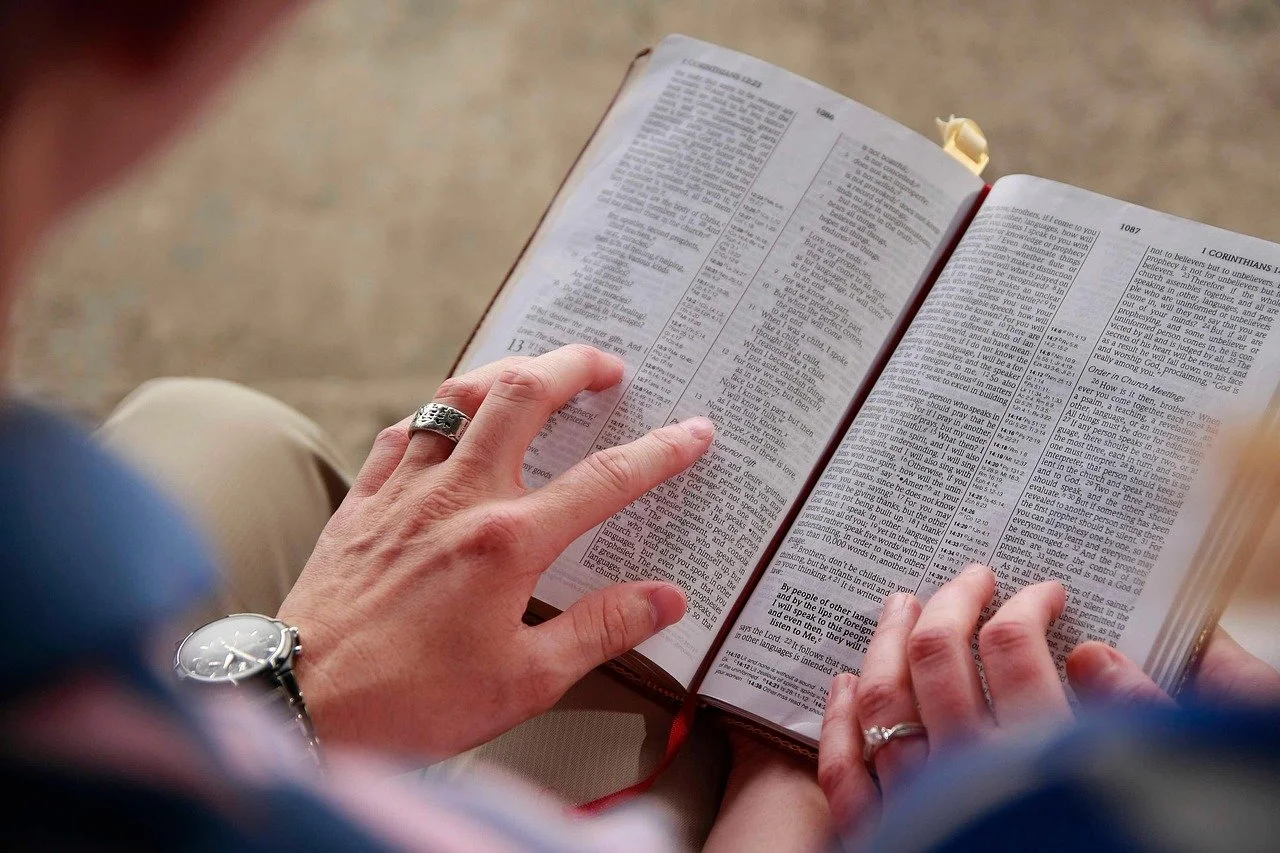
Image by Aritha from Pixabay

10 For to us God revealed them through the Spirit; for the Spirit searches all things, even the depths of God.
11 For who among men knows the thoughts of a man except the spirit of the man which is in him? Even so the thoughts of God no one knows except the Spirit of God.
12 Now we have received, not the spirit of the world, but the Spirit who is from God, so that we may know the things freely given to us by God,
13 which things we also speak, not in words taught by human wisdom, but in those taught by the Spirit, combining spiritual thoughts with spiritual words.
14 But a natural man does not accept the things of the Spirit of God, for they are foolishness to him; and he cannot understand them, because they are spiritually appraised.
15 But he who is spiritual appraises all things, yet he himself is appraised by no one.
16 For who has known the mind of the Lord, that he will instruct Him? But we have the mind of Christ.
— 1 Corinthians 2:10-16 (NASB 1995)

Let’s get a running start at the next few verses.

Now we have received, not the spirit of the world, but the Spirit who is from God, so that we may know the things freely given to us by God,

If you read through last week’s post you know that when we receive Christ as our Lord and Savior we do not receive the spirit of the world, which has to do with the mindset of the world, a mindset that is against God and all He wants us to know. We receive the Spirit who is from God, or the Holy Spirit. We are given the Holy Spirit as a help so that we might know the things of God which are freely given to us.

In other words, the Holy Spirit is the one who gives us understanding of God’s mind and ways. He gives us understanding of the Words of God in the Holy Scriptures, and He enables us to have God’s wisdom in all situations.

…which things we also speak…

Image by Naveen Goyal from Pixabay

Paul was referring to himself and the preaching, teaching and letter writing he was doing for the churches

…not in words taught by human wisdom, but in those taught by the Spirit…

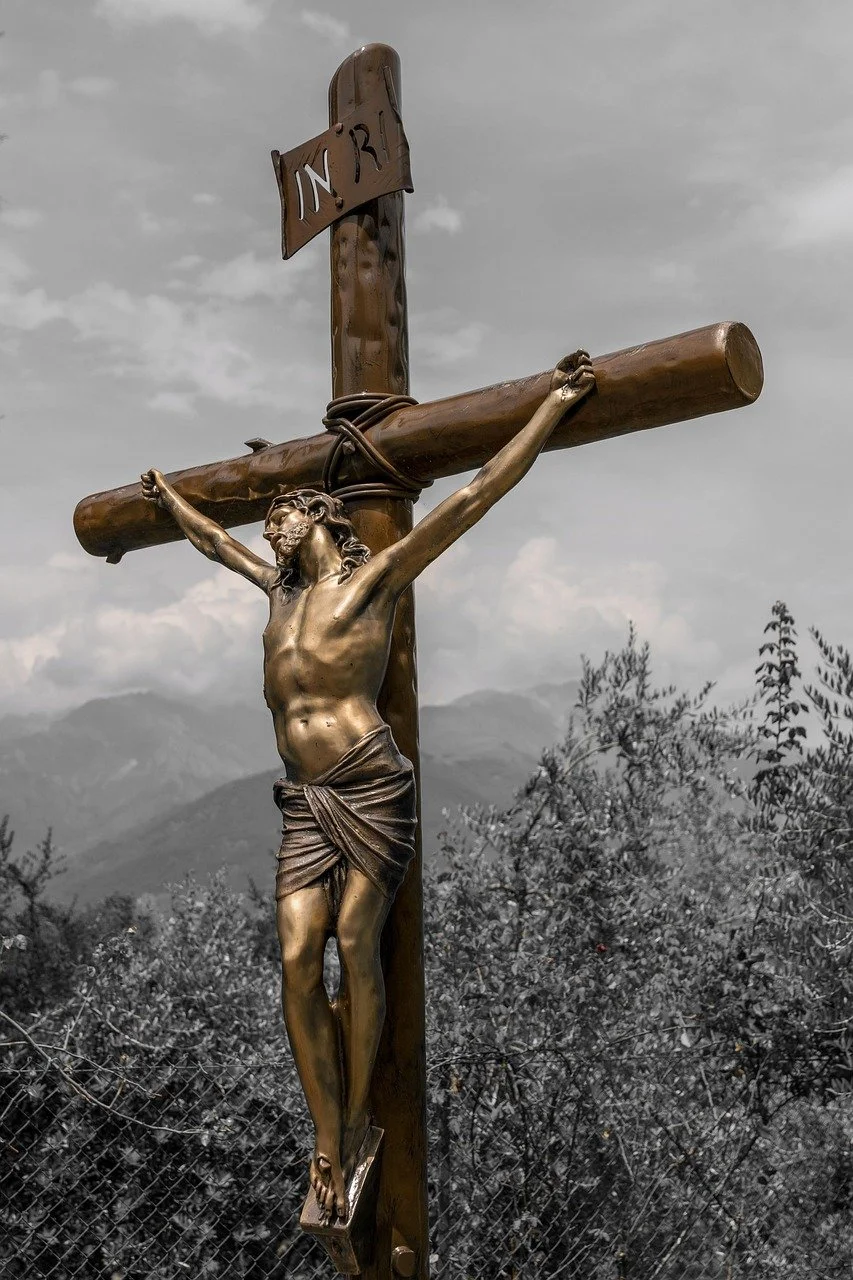
Image by Raindom from Pixabay

Paul, is one of the most famous of the apostles, whose own testimony tells of him persecuting the Christian church with a fervor that included having many believers imprisoned and killed. On the road to Damascus Jesus appeared to him (at the time Saul) in a bright, blinding light and questioned, “Saul, Saul, why are you persecuting me?” (See Acts 9.) Saul became Paul and became a major contributor to the spread of the Gospel.

This same Paul was not teaching or preaching words that came from his own human wisdom, but words taught to him by the Holy Spirit. While he was alive at the time of many of the disciples, he was not one of the twelve that originally lived and walked with Jesus. His learning was not first hand, but through the work of the Holy Spirit, just as ours is.

I love this, especially when I feel utterly stupid in my Christian faith. Obviously, I know lots of things, just as Paul did, but my book learning is not what drives me to write these posts. I do it as a ministry of the Holy Spirit to encourage anyone in their Christian walk. Believe me, I have had numerous moments where I have been ready to give it all up, but it is then that I get that little prodding in the back of my mind. Even if only one person benefits there is a ripple affect with a single drop of water.

…combining spiritual thoughts with spiritual words

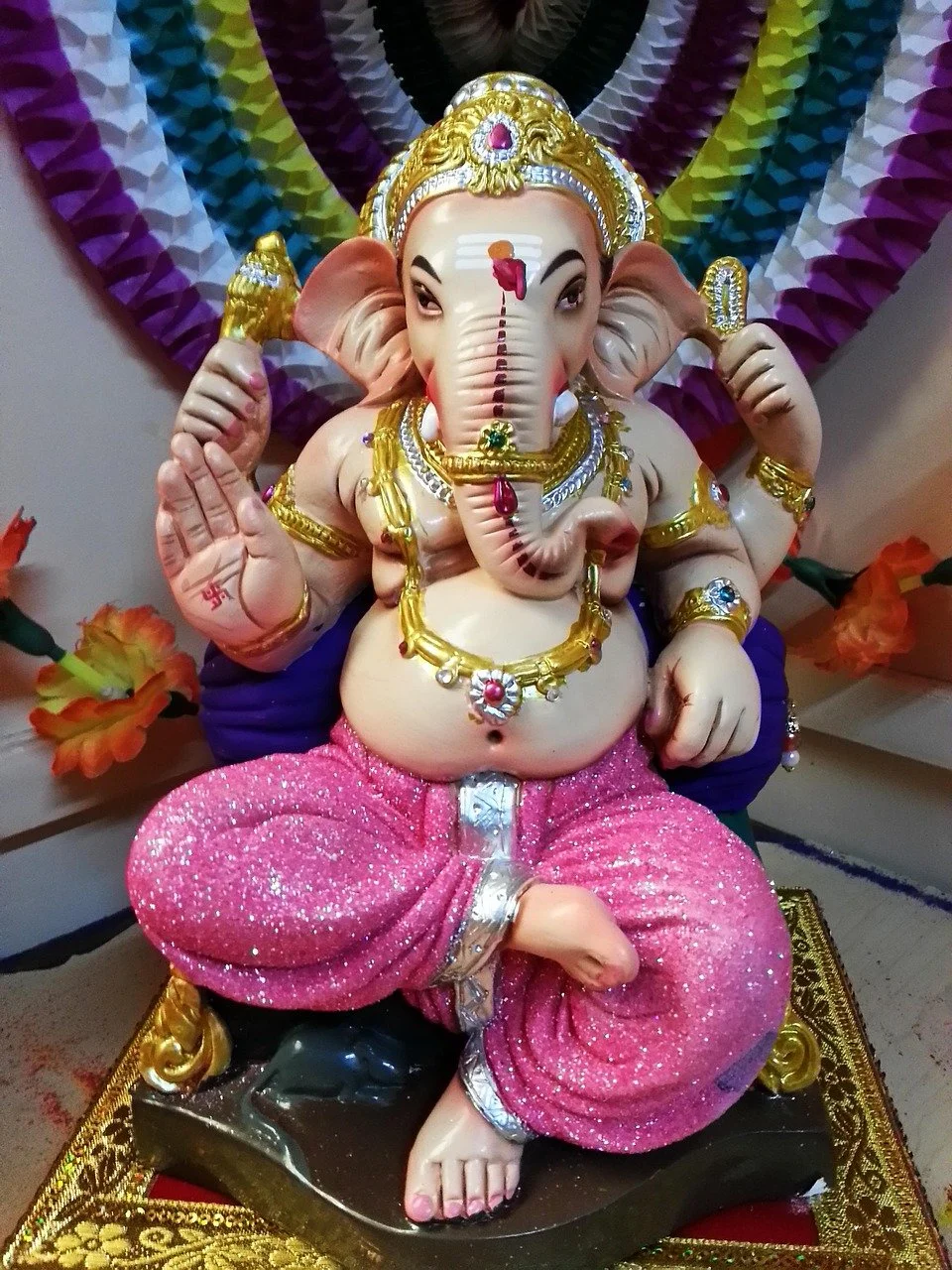
Image by Hans from Pixabay

27 As for you, the anointing which you received from Him abides in you, and you have no need for anyone to teach you; but as His anointing teaches you about all things, and is true and is not a lie, and just as it has taught you, you abide in Him.
— I John 2:27 (NASB 1995)

I came across this verse in 1 John some months ago and and it keeps coming back around to me. It talks about our anointing which we received from Him and abides in us. This anointing is not something special that only comes to those who are prayed over for the ministry. His anointing is the living, breathing, Holy Spirit inside of us when we accept Christ.

As we see with Paul, and I would say even someone like Charlie Kirk, they did not need a theology degree to speak, preach or teach. They got their words, responses, messages from the Holy Spirit who dwelled inside of them. This verse clearly tells us that we have no need for anyone to teach us because the Holy Spirit teaches us about all things and He is true and not a lie.

Now, do we need to be careful to not take this out of context and start spouting off anything that comes to mind? Yes! But do we need to hide the light of Christ under a bushel because we are not “educated” and might not know what to say? No!! We are meant to be the light of Christ in a dark world, and can be confident engaging people in conversations about Christ because His Holy Spirit lives in us.

I will add to this idea next time as we finish off this chapter.

Have a great week and remember you are anointed by God and have the Holy Spirit in you. Abide in Him and shine His light!

Faith Musings: Nothing to Boast About: Part 7

We have been looking at verses from I Corinthians 1 and 2. We have learned that the cross of Christ, born of God’s wisdom for a sinful world, is seen as foolishness to the very humanity it is able to save. We have also learned that God does not think as we think. He uses the very things we see as foolish and ridiculous to save the lost and confound the wisest individuals. In addition we have discovered God’s intention in choosing the foolish and weak things of the world was to remind us that without him we are nothing. We were created to be a reflection of His glory and every one of us bears His image.

Image by EmilyNumen from Pixabay

Last time, we began learning about the Holy Spirit’s part in our lives and in the work of revelation of God’s truth. Paul, himself, who determined to “know nothing…except Jesus Christ, and Him crucified,” recognized it was the Holy Spirit and His power that gave his preaching the desired outcome of people coming to know Jesus. We also learned it is God, through the Spirit, who reveals His truth to us, for it is His Spirit that searches and knows the very depths of God.

10 For to us God revealed them through the Spirit; for the Spirit searches all things, even the depths of God.
11 For who among men knows the thoughts of a man except the spirit of the man which is in him? Even so the thoughts of God no one knows except the Spirit of God.
12 Now we have received, not the spirit of the world, but the Spirit who is from God, so that we may know the things freely given to us by God,
13 which things we also speak, not in words taught by human wisdom, but in those taught by the Spirit, combining spiritual thoughts with spiritual words.
14 But a natural man does not accept the things of the Spirit of God, for they are foolishness to him; and he cannot understand them, because they are spiritually appraised.
15 But he who is spiritual appraises all things, yet he himself is appraised by no one.
16 For who has known the mind of the Lord, that he will instruct Him? But we have the mind of Christ.
— 1 Corinthians 2:10-16 (NASB 1995)

I want to take a closer look at the next two verses in this passage.

For who among men knows the thoughts of man except the spirit of the man which is in him?

Image by janrye from Pixabay

There are individuals who claim to be able to read our minds. They may have some sort of ability, but it is most likely they are extremely intuitive and can read people through their actions, words, body language and facial expressions. The point of the above question is that no one can truly know what is inside of us except our own spirit, or our own being.

Today it seems that many people do not even have that knowledge or understanding. People read books, listen to podcasts, go to psychiatrists, psychologists and others to help them understand themselves and even decipher what they are thinking. It seems to me, the further we have grown in the areas of knowledge and understanding the less we really know. Knowing these limitations is there any doubt that we cannot fully know or understand the Holy God?

Even so the thoughts of God no one knows except the Spirit of God.

Image by Joe from Pixabay

God is so far beyond our ability to truly understand, and our earthly wisdom, as we have seen already, is foolishness when it comes to knowing Him. However, God’s Spirit, the Holy Spirit, this same one who becomes part of us when we give our lives to Christ, He knows the thoughts of God.

You see, the Holy Spirit is not just the after thought of the God head when Jesus knew his ascension was soon to take place. The Holy Spirit is a living and active part of the trinity.

He was there at the beginning:

1 In the beginning God created the heavens and the earth.
2 The earth was formless and void, and darkness was over the surface of the deep, and the Spirit of God was moving over the surface of the waters.
— Genesis 1:1-2 (NASB 1995)

He was involved in human industry:

1 Now the Lord spoke to Moses, saying,
2 “See, I have called by name Bezalel, the son of Uri, the son of Hur, of the tribe of Judah.
3 I have filled him with the Spirit of God in wisdom, in understanding, in knowledge, and in all kinds of craftsmanship,
4 to make artistic designs for work in gold, in silver, and in bronze,
5 and in the cutting of stones for settings, and in the carving of wood, that he may work in all kinds of craftsmanship.
— Exodus 31:1-5 (NASB 1995)

He was involved in governance:

16 The Lord therefore said to Moses, “Gather for Me seventy men from the elders of Israel, whom you know to be the elders of the people and their officers and bring them to the tent of meeting, and let them take their stand there with you.
17 Then I will come down and speak with you there, and I will take of the Spirit who is upon you, and will put Him upon them; and they shall bear the burden of the people with you, so that you will not bear it all alone.
— Numbers 11:16-17 (NASB 1995)

See also the book of Judges as well as I Samuel 16:13.

The Holy Spirit was also regularly involved in prophecy, coming on whomever the Lord willed and speaking through them to those who needed to hear the prophetic word. This third person of the Triune God has been busy from the beginning of our world, and it is He who knows the thoughts of God.

Now we have received, not the spirit of the world, but the Spirit who is from God…

Image by StockSnap from Pixabay

Note there is a difference between the spirit of the world, and the Spirit from God. The spirit of the world is not seen as a proper noun, and it has to do with the mindset and attitude prevalent in the world. This mindset is anti-God, and moves to create a culture that is only set on serving itself.

On the other hand, the Spirit of God is completely in tune with the Father and the Son. He moves with them, agrees with them and is in complete communion with them. Jesus told us we would receive this helper. This Holy Being is the one we receive when we give our hearts and lives to Jesus. Isn’t that just mind blowing?

26 But the Helper, the Holy Spirit, whom the Father will send in My name, He will teach you all things, and bring to your remembrance all that I said to you.
— John 14:26 (NASB 1995)

Why did the the triune God head make this choice to send this helper?

…so that we may know the things freely given to us by God.

Image by Bob Dmyt from Pixabay

We would be in error to say God does not love us, care for us, or want to be intimate with us. He gave us One who knows Him. He gave us a part of Himself; a part that knows His very depths. Without this amazing helper we cannot know God. No matter how much head knowledge a person develops over time; no matter how much historical date a person can dredge up, there is only one way to truly know God, and that is by believing in the work of Jesus Christ and by receiving the Holy Spirit.

We will look a bit more at this work of the Holy Spirit in our lives next time. Until then, keep fanning the flame!

Faith Musings: Nothing to Boast About - Part 5

As we see August come to an end, and September begin, I feel the pull of fall. I have always loved this season. From the changing leaves and the cooling temperatures, to the pumpkin muffins and jack-o-lanterns, fall always gives me a feeling of expectation. I think part of that stems from the fact that fall includes Halloween, Thanksgiving and leads to winter and my favorite time of year, Christmas. Seasonal changes give us many things to think about with regard to our faith walk with Jesus, and I will be pursuing some of those ideas soon, but today, I want to continue our walk through 1 Corinthians 2.

Image by claude alleva from Pixabay

1 And when I came to you, brethren, I did not come with superiority of speech or of wisdom, proclaiming to you the testimony of God.
2 For I determined to know nothing among you except Jesus Christ, and Him crucified.
3 I was with you in weakness and in fear and in much trembling,
4 and my message and my preaching were not in persuasive words of wisdom, but in demonstration of the Spirit and of power,
5 so that your faith would not rest on the wisdom of men, but on the power of God.
6 Yet we do speak wisdom among those who are mature; a wisdom, however, not of this age nor of the rulers of this age, who are passing away;
7 but we speak God’s wisdom in a mystery, the hidden wisdom which God predestined before the ages to our glory;
8 the wisdom which none of the rulers of this age has understood; for if they had understood it they would not have crucified the Lord of glory;
9 but just as it is written,

“Things which eye has not seen and ear has not heard,
And which have not entered the heart of man,
All that God has prepared for those who love Him.”
— 1 Corinthians 2:1-9 (NASB 1995)

Right now we are still looking at verses 1-9. We learned from Chapter 1:18-25 that man’s wisdom and God’s wisdom are two distinct things. The reality is God uses all that is contrary to our wisdom to accomplish His plan from the weak and foolish, to the cross of Christ, His wisdom is contrary to all that our wisdom believes is important. We see Paul reiterating these same ides as Chapter 2 begins and we read, “I determined to know nothing among you except Jesus Christ, and him crucified…”

6 - Yet we do speak wisdom among those who are mature; however, not of this age or of the rulers of this age who are passing away;

Paul, who has made clear that he was weak, and fearful when it came to his ability to speak, and who also made clear that his message was not of his own wisdom and ability, but God’s, now states with confidence he speaks wisdom among the mature.

Who were the mature? People who already knew the gospel, believed it and were living their lives following Jesus. Think of your own situation as a Christ follower. Do you feel like you know more now than when you first came to Him? Have you gained more understanding as you delved into His word? Would you consider yourself more mature than you were several decades ago? I say a resounding yes, but it is because of His work and His wisdom.

Let’s take a closer look at what this wisdom is (verses 6 - 9).

What it isn’t - Not of this age (and that is true just as much today as it was in Paul’s time). Not of the rulers of this age (who come and go, live and die). Not able to be understood without God.

What it is - Of God. A mystery. Hidden. Predestined before the ages. Prepared by God for those who love Him.

One may wonder if it is something God wants us to know and understand, why does He keep it a hidden mystery? Go back to the title of this series - Nothing to Boast About. He did the work. He does the work. He has hidden it, He will reveal it. What then is my part?

To believe.

It seems so very simple, but how often do we doubt? How often do we find ourselves second guessing? How often are we pacing the floor because we don’t see our prayers answered in our time line? How often do we live in the flesh, rather than in His Spirit?

Man’s wisdom says, “You do you! Be all you can be! Pull yourself up by your own bootstraps!”

God’s wisdom says, “Come to Me! Believe! Trust!”

How are you living today? By your own wisdom, or by trust God?

Faith Musings: Nothing to Boast About - Part 3

This second chapter of 1 Corinthians seems a perfect continuation of the verses we looked at previously in Faith Musings: Nothing to Boast About - Part 1, and Nothing to Boast About - Part 2.

Image by Joe from Pixabay

1 And when I came to you, brethren, I did not come with superiority of speech or of wisdom, proclaiming to you the testimony of God.
2 For I determined to know nothing among you except Jesus Christ, and Him crucified.
3 I was with you in weakness and in fear and in much trembling,
4 and my message and my preaching were not in persuasive words of wisdom, but in demonstration of the Spirit and of power,
5 so that your faith would not rest on the wisdom of men, but on the power of God.
6 Yet we do speak wisdom among those who are mature; a wisdom, however, not of this age nor of the rulers of this age, who are passing away;
7 but we speak God’s wisdom in a mystery, the hidden wisdom which God predestined before the ages to our glory;
8 the wisdom which none of the rulers of this age has understood; for if they had understood it they would not have crucified the Lord of glory;
9 but just as it is written,

“Things which eye has not seen and ear has not heard,
And which have not entered the heart of man,
All that God has prepared for those who love Him.”
— I Corinthians 2:1-9 (NASB 1995)

Paul continues his discourse on the wisdom of God versus the foolishness of man by stating that when he came to the church at Corinth he did not preach by his own ability, but by the ability God gave him.

“And when I came to you, brethren, I did not come with superiority of speech or of wisdom, proclaiming to you the testimony of God.”

If anyone could have boasted in his own abilities it was Paul. Born a Hebrew, he was raised in the prosperous city of Tarsus, a center for trade on the Mediterranean coast, a city which also housed a well known school.

Image by sebastiano iervolino from Pixabay

4 although I myself might have confidence even in the flesh. If anyone else has a mind to put confidence in the flesh, I far more:
5 circumcised the eighth day, of the nation of Israel, of the tribe of Benjamin, a Hebrew of Hebrews; as to the Law, a Pharisee;
6 as to zeal, a persecutor of the church; as to the righteousness which is in the Law, found blameless.
— Philippians 3:4-6 (NASB 1995)
6 But perceiving that one group were Sadducees and the other Pharisees, Paul began crying out in the Council, “Brethren, I am a Pharisee, a son of Pharisees; I am on trial for the hope and resurrection of the dead!”
— Acts 23:6 (NASB 1995)

Paul referred to his upbringing not to boast in his abilities, but to appeal to the audience he was talking to. He always made clear that his abilities to teach and preach were from God .

For I determined to know nothing among you except Jesus Christ, and Him crucified.

This stands out to me for two reasons. First, Paul determined. This word does not give us a feeling of being wishy washy. It shows us the apostle was firmly resolved. It is convicting to me, because when I ask myself what am I firmly resolved or determined about, I realize in this chaotic world we are living in I have become more uncertain, unsure and even doubtful about many things, even my relationship with Christ. Yes, there are things I am sure of: my salvation, the Bible, God’s good character and so on. Perhaps, like Paul I need to focus on the main thing.

Image by DetBe from Pixabay

Second, what was Paul determined to know? Nothing…except Jesus Christ, and Him crucified. Why is this so important? Isn’t it more important to preach and teach love? After all Christ loves us and desires that we all be in heaven with Him. This is where I am beginning to see disparity in the church. If we do not preach the reason Christ came, and had to be crucified, all the love in the world will not fix all that is wrong with it. Christ came because we are sinners. Not one of us is good enough to earn our way into heaven, no matter how much love we show. And the truth is, if I only preach the love of God, then I do not really love. We have to talk about the darkness, the disobedience, and the distance between us and Him.

Remember these verses? Jesus said of Himself:

6 Jesus said to him, “I am the way, and the truth, and the life; no one comes to the Father but through Me.
— John 14:6 (NASB 1995)
5 I am the vine, you are the branches; he who abides in Me and I in him, he bears much fruit, for apart from Me you can do nothing.
6 If anyone does not abide in Me, he is thrown away as a branch and dries up; and they gather them, and cast them into the fire and they are burned.
— John 15:5-6 (NASB 1995)
23 He who hates Me hates My Father also.
24 If I had not done among them the works which no one else did, they would not have sin; but now they have both seen and hated Me and My Father as well.
25 But they have done this to fulfill the word that is written in their Law, ‘They hated Me without a cause.’
— John 15:23-25 (NASB 1995)
18 “Behold, we are going up to Jerusalem; and the Son of Man will be delivered to the chief priests and scribes, and they will condemn Him to death,
— Matthew 20:18 (NASB 1995)
31 And He began to teach them that the Son of Man must suffer many things and be rejected by the elders and the chief priests and the scribes, and be killed, and after three days rise again.
— Mark 8:31 (NASB 1995)

These are just a few of many verses in the Gospels where Christ talks about His purpose, which was to be obedient to the Father, and die on a cross for sinful humanity.

Does the Bible talk about God’s love? Of course it does. One of the most famous verses many of us memorized as youngsters in church follows:

16 “For God so loved the world, that He gave His only begotten Son, that whoever believes in Him shall not perish, but have eternal life.
— John 3:16 (NASB 1995)

Image by Engin Akyurt from Pixabay

However, even this verse talks about God’s love in the context of our need, and our sin. Why would we perish if we were perfect? Why would we need God if love was the answer to all our problems? Love is the answer, but it is God’s love; God’s pure, perfect, and holy love.

I would like to let these first two verses of this second chapter of 1 Corinthians sink in for the next week. Do you think we need to be more determined like Paul? If so, what are we to be determined about? I’d love to hear your thoughts, so leave a comment or two below.

Until next week, have a great weekend!

Faith Musings: Nothing to Boast About - Part 2

Last week I started a short series revolving around a number of verses in I Corinthians 1. In the first part we looked at verses 18-25. This week I want to continue by directing our thoughts to verses 26-31.

26 For consider your calling, brethren, that there were not many wise according to the flesh, not many mighty, not many noble;
27 but God has chosen the foolish things of the world to shame the wise, and God has chosen the weak things of the world to shame the things which are strong,
28 and the base things of the world and the despised God has chosen, the things that are not, so that He may nullify the things that are,
29 so that no man may boast before God.
30 But by His doing you are in Christ Jesus, who became to us wisdom from God, and righteousness and sanctification, and redemption,
31 so that, just as it is written, “Let him who boasts, boast in the Lord.”
— I Corinthians 1:26-31 (NASB 1995)

Let’s work our way through these verses by statements.

Image by Umkreisel-App from Pixabay

For consider your calling…

Paul wants the recipients of this letter to think about their calling. Why is this important? I think we need to remember when, and how God called each of us into a personal relationship with His Son Jesus Christ. I was raised in a Bible teaching church by believing parents, but it was at age 12 that I stepped into the promised land. I recognized my sin, my inability to live life without Jesus, and gave my life to Him. God called me, not like some through a lightening bolt, but more a continuous soft whisper. Everyone’s calling is different. What was yours like? It is good to remember where we came from and what God called us out of.

This is also a challenge to those who have been called to remember, “according to the flesh” there were, “not many wise…not many mighty…not many noble….” In other words we weren’t all that. Ever since the fall of man in the Garden of Eden we have been fighting a battle against the truth. The truth of God says we are nothing without Him. The truth of God says all our righteous works are as filthy rags. The truth of God says that man’s wisdom will never rise above the wisdom of God. In fact, as we look at the next few verses we are struck, once again, it is all about Him.

Image by Couleur from Pixabay

But God has chosen…

Did you get that? God has chosen. It wasn’t our abilities, or beauty, or wisdom, or might, or power that God chose. Indeed, He is a beautiful study in contrasts. The almighty God chose the foolish things, the weak things, the base things, the despised, and the things that are not. Why did He do this? He could have chosen the best of the best; the bright and beautiful; the pure and holy; the pretty and clean; the popular and well liked, but He chose everything that was not in order to nullify the things that are. He chose the foolish to shame the wise. He chose the weak to shame the strong. He chose the things that were not shiny and perfect - SO THAT - no man may boast before God.

8 For by grace you have been saved through faith; and that not of yourselves, it is the gift of God;
9 not as a result of works, so that no one may boast.
— Ephesians 2:8-9 (NASB 1995)

Image by Paul Stachowiak from Pixabay

But by His doing…

Here’s the good news…You are in Christ Jesus! Of course, you had to make the choice to believe who God is, who God says we are and who Jesus is, but it has always been God working behind the scenes wooing, drawing, orchestrating, working, sometimes tripping you up and other times washing over you with His lavish love and undeserved mercy. It has always, is always and always will be an act of God that we come to embrace His boundless grace.

In addition, the beautiful perk to this astounding gift is Jesus becomes to us wisdom, righteousness, sanctification and redemption; all of which come from God through His Son. We do not have to worry if we are not wise. We cannot sanctify or redeem ourselves. We cannot make ourselves righteous. All of these things come to us freely when we receive Jesus as our Lord and Savior.

Why?

So That….

“Let him who boasts, boast in the Lord.”

Faith Inspiration: Oswald Chambers - Our Great Capacity for God - Part 5: The Plague of Individuality

Since it has been a while since I have posted under this Faith Inspiration post, I wanted to give a bit of a refresher. We have been looking at a quote from Oswald Chambers, which inspired me to dive deeper into the ideas revolving in and around the quote, and into the Scripture to find God’s words on these ideas. Here’s a look at the quote, which I took from the devotional book put together by Oswald’s wife Biddy from copious notes she took of his preaching and teaching. (For a look back click on the links: Part 1, Part 2, Part 3, Part 4.)

We are designed with a great capacity for God, but sin, our own individuality, and wrong thinking keep us from getting to Him. God delivers us from sin——we have to deliver ourselves from our individuality. This means offering our natural life to God and sacrificing it to Him, so He may transform it into spiritual life through our obedience...We must see to it that we aid and assist God, and not stand against Him...we must discipline ourselves. God will not bring our ‘arguments...and every thought into captivity to the obedience of Christ’ (2 Corinthians 10:5)——we have to do it.”

— Oswald Chambers - My Utmost for His Highest - November 18th

Note: I took this quote out of my devotional book. If you go online to the website you will see the book has been reissued a number of times and the language changed slightly to make it more modern. I prefer the quote as I have shown it here because it actually lists three things: sin, our individuality and wrong thinking as the deterrents in our great capacity for God. I think all three of these need to be looked at.

Image by Gerd Altmann from Pixabay

Let’s look at this idea of individuality. Webster’s Online Dictionary defines individuality in this way: total character peculiar to and distinguishing an individual from another; personality; separate or distinct existence; individual, person; the quality or state of being indivisible.

Being an individual is not a bad thing. The Bible has many verses that talk about God creating us to be unique and gifted.

13 For You formed my inward parts;
You wove me in my mother’s womb.
14 I will give thanks to You, for I am fearfully and wonderfully made;
Wonderful are Your works,
And my soul knows it very well.
15 My frame was not hidden from You,
When I was made in secret,
And skillfully wrought in the depths of the earth;
16 Your eyes have seen my unformed substance;
And in Your book were all written
The days that were ordained for me,
When as yet there was not one of them.
— Psalm 139:13-16 (NASB 1995)
27 God created man in His own image, in the image of God He created him; male and female He created them.
— Genesis 1:27 (NASB 1995)
4 For just as we have many members in one body and all the members do not have the same function,
5 so we, who are many, are one body in Christ, and individually members one of another.
6 Since we have gifts that differ according to the grace given to us, each of us is to exercise them accordingly: if prophecy, according to the proportion of his faith;
7 if service, in his serving; or he who teaches, in his teaching;
8 or he who exhorts, in his exhortation; he who gives, with liberality; he who leads, with diligence; he who shows mercy, with cheerfulness.
— Romans 12:4-8 (NASB 1995)
10 As each one has received a special gift, employ it in serving one another as good stewards of the manifold grace of God.
— 1 Peter 4:10 (NASB 1995)

In addition to these verses we have been taught that our relationship with Christ is a personal one; one of intimacy, friendship and love, and one where our unique personalities remain intact.

Why, then, does Oswald say that our own individuality can deter us from our great capacity for God? For the rest of this post, I want to point out certain societal messages regarding individuality and how these can become problematic.

Image by Lucienne from Pixabay

Be yourself. This one seems relatively harmless, at least superficially. I think that in the beginning the idea of being yourself was not necessarily a bad one. Individual preferences like food, books, movies, or even singing in the shower are certainly part of who we are. I like pizza, fantasy novels, murder mysteries and only occasionally hum in the shower. These are my preferences and part of what make me myself. Being anything other than yourself would be to live a lie, but that is where this gets complicated.

Our enemy, Satan, is the Father of Lies. Jesus makes this clear in a conversation with the religious leaders of His time.

42 Jesus said to them, “If God were your Father, you would love Me, for I proceeded forth and have come from God, for I have not even come on My own initiative, but He sent Me.
43 Why do you not understand what I am saying? It is because you cannot hear My word.
44 You are of your father the devil, and you want to do the desires of your father. He was a murderer from the beginning, and does not stand in the truth because there is no truth in him. Whenever he speaks a lie, he speaks from his own nature, for he is a liar and the father of lies.
— John 8:42-44 (NASB 1995)

This idea of being yourself has become a toxic campaign instigated by Satan to turn people away from Christ and plant them in the soil of self centeredness and political agendas.

Image by wal_172619 from Pixabay

Don’t Follow the Crowd. I remember my own parents using this phrase when I was young, and I used it with my daughters. As parents we used this to try to keep our kids from following people we deemed were the bad influences. Unfortunately, for many, this only made our kids more interested in following some other crowd.

This is more fodder from the Liar King. There is no way to not follow a crowd. We live in community. We work, go to school, even go to church with other individuals, and the simple truth is, no matter what we decide to believe, or what choices you make, you will always be following another group of people who think they are all about being individuals. What really matters is who we are following.

Image by Daga_Roszkowska from Pixabay

Don’t Care What Others Think. If there is any being who doesn’t give a care it is the domestic feline. Ha, ha. Not caring what other’s think might seem innocuous, but once again a seemingly sublime idea can become a weapon when wielded by the Prince of Darkness. When we stop caring what others think we open ourselves to not caring about anything, or we begin to care more for ideas and appetites that revolve around pleasing ourselves.

In our current world is is easy to get caught up in caring too much. We have all heard horror stories of attempts gone wrong of people attempting to look like, act like or be someone they are not. Look for instance at the whole transgender culture. Women trying to be men; men trying to be women and parents leading their children to make decisions about their sexuality before they even know if they like colas or fruit sodas certainly has the flavor, on the one side, of caring too much; and on the other side of not caring enough.

Image by Pete Linforth from Pixabay

You Do You. This is the latest phrase I see and hear all over social media platforms. Once again, it sounds so kind. It has the feel of open mindedness, and tolerance. It seems to encourage rather than correct or control. Indeed it is quite freeing, and even I buy into this idea. I’m a casual style blogger, and I don’t have to be like all those other bloggers who regularly wear dresses and show off their pretty legs. Ha, ha.

However, just like the three other phrases, the mentality behind you do you is giving ourselves the permission to do whatever we want. In addition, it also relieves me of the responsibility of caring about people’s well being, especially when it comes to eternal issues, and engaging people in difficult and uncomfortable discussions.

All of these ideas overlap, and on the surface are relatively harmless, but there is a darker agenda going on here, that we as Christ followers need to remember and be in constant prayer about. Next month I will delve into the Scriptures to more clearly understand why these ideas keep us from owning our great capacity for God.

Faith Inspiration - Oswald Chambers - Our Great Capacity for God - Part 4: Sin's Effect on Our Capacity for God

Now that we have looked at sin’s beginnings, and the truth laid out in God’s Word about sin we need to talk about how sin affects our capacity to know and believe God. Obviously, sin is all around us. We are human and frequently fail to resist temptation, or find ourselves giving in to the sin nature in the form of anger, envy, gossip, or even over indulgence. Does the occasional sin keep us from this great capacity that Oswald was talking about?

Image by Ramon Perucho from Pixabay

The first thing we have to acknowledge as truth is that we have sin in us as long as we walk in the flesh. While we obtain salvation and are fully redeemed when we believe in Jesus we don’t automatically stop sinning. Won’t it be nice one day when sin no longer appeals to us: the lure of things that only momentarily satisfy, and the pull of wrong thinking? The key is to not allow sin to reign in us. Look at the following Scriptures.

5 This is the message we have heard from Him and announce to you, that God is Light, and in Him there is no darkness at all.
6 If we say that we have fellowship with Him and yet walk in the darkness, we lie and do not practice the truth;
7 but if we walk in the Light as He Himself is in the Light, we have fellowship with one another, and the blood of Jesus His Son cleanses us from all sin.
8 If we say that we have no sin, we are deceiving ourselves and the truth is not in us.
9 If we confess our sins, He is faithful and righteous to forgive us our sins and to cleanse us from all unrighteousness.
10 If we say that we have not sinned, we make Him a liar and His word is not in us.
— 1 John 1:5-10 (NASB 1995)
1 What shall we say then? Are we to continue in sin so that grace may increase?
2 May it never be! How shall we who died to sin still live in it?
3 Or do you not know that all of us who have been baptized into Christ Jesus have been baptized into His death?
4 Therefore we have been buried with Him through baptism into death, so that as Christ was raised from the dead through the glory of the Father, so we too might walk in newness of life.
5 For if we have become united with Him in the likeness of His death, certainly we shall also be in the likeness of His resurrection,
6 knowing this, that our old self was crucified with Him, in order that our body of sin might be done away with, so that we would no longer be slaves to sin;
7 for he who has died is freed from sin.
— Romans 6:1-7 (NASB 1995)

Image by Rob van der Meijden from Pixabay

If we have given our lives to Jesus sin no longer has ownership over us. We are no longer slaves to sin. That being said, it is a daily choice to live a sinless life. In fact, sometimes it is an hour by hour or even a moment by moment choice. As we saw above in 1 John 1:9 we have a pathway to deal with our sins. When we fall, we confess, and Jesus who is faithful and just will forgive us. What a blessing.

Sin affects our capacity to know and understand God in the following ways:

1 - It keeps us in the dark. Look back at 1 John 1 again. Sin, when regularly allowed to have sway in our lives puts a veil over our ability to know God’s truth and dig deeper into His layers. We will find ourselves stumbling in the dark because we are not making use of the light He has given us.

2 - It prevents us from having full fellowship with God. It is in this intimate fellowship that we really begin to understand this Almighty Being who created us and loves us. When we walk in the light and we keep short accounts of our sin by confessing to Jesus, we start to engage in a relationship that is so much more than just believing words written in a book. It becomes vital, essential and real.

3 - It warps our thinking. We will look at this more in the future, but for now we know that our old self was crucified with him, in order that our body of sin might by done away. In order to live a victorious life we must bring our thinking into line with the truth we find in His word. In addition, we must allow the Holy Spirit to have sway in our thinking so that we are living according to Him rather than our flesh.

Next month we will begin our descent into the depths of wrong thinking and how that affects our great capacity for God.

As always thank you for following along as we journey deeper into the layers that are God!

Faith Inspiration - Oswald Chambers - Our Great Capacity for God - Part 3: The Truth About Sin

I think most of us would agree that we are living in dark times. Yes, the light of God is still present, but if we believe God’s Word we know hard times are coming and the darkness will reach all across the world. The cause of this darkness revolves around the existence of sin in the world and the desire of Satan to destroy. There will come a time when God will pull His protective hand away from this world and Satan and his evil will reign, but only for a time.

Image by Harmony Lawrence from Pixabay

The world, since the fall, has been guilty of propagating the lies of Satan. Today the word “sin” is no longer politically correct. Children no longer learn about sin and its ramifications. Now parents are raising their children with the “benefits” of learning, not only academic, but psychological. We tell our children to embrace their emotions and teach them to “work through” those feelings and thoughts, hopefully with the end result of becoming a mature adult who embraces all people and treats everyone with kindness and respect.

I do not downplay what these parents are doing, but even with all the proper training, a child can still experience influences that will change his/her thinking and behavior that a parent has no control over. What does the Bible say about sin?

9 “The heart is more deceitful than all else
And is desperately sick;
Who can understand it?
— Jeremiah 17:9 (NASB 1995)

Image by Tumisu from Pixabay

The Bible tells us the heart is deceitful, and desperately sick. Those are pretty harsh words. It doesn’t say that only the hearts of bad people are deceitful, it is referring to all of our hearts. A heart, even a kind one, can be turned to stone by the difficult circumstances of life. Jeremiah even asks, “Who can understand it?” The Bible and its author reminds us why the heart is deceitful and sick, and we can follow the trail back to Genesis.

We know what happened there, as we reviewed a few weeks ago Sin’s Beginning. Sin entered into the world at that point and has been the bane of man’s existence ever since. Mankind turned away from the omnipotent, loving God and turned inward in an attempt to fill the hole that sin left behind. Murder, lust, envy, stealing, lying, cheating, adultery, the list is long, are all an attempt to fill that which only God can fill.

God’s Word is clear on sin. Let’s take a look.

18 For the wrath of God is revealed from heaven against all ungodliness and unrighteousness of men who suppress the truth in unrighteousness,
19 because that which is known about God is evident within them; for God made it evident to them.
20 For since the creation of the world His invisible attributes, His eternal power and divine nature, have been clearly seen, being understood through what has been made, so that they are without excuse.
21 For even though they knew God, they did not honor Him as God or give thanks, but they became futile in their speculations, and their foolish heart was darkened.
22 Professing to be wise, they became fools,
23 and exchanged the glory of the incorruptible God for an image in the form of corruptible man and of birds and four-footed animals and crawling creatures.
— Romans 1:18-23 (NASB 1995)

Image by Darpan Joshi from Pixabay

In the account of Adam and Eve’s sin we see these words fulfilled, “…their foolish heart was darkened. Professing to be wise, they became fools…” Satan is a master of deception, and we buy into it allowing our foolish hearts to be darkened. The darker we become in our understanding of God and His truth, the more foolish we become

10 As it is written, “There is none righteous, not even one;
11 There is none who understands,
There is none who seeks for God;
12 All have turned aside, together they have become useless;
There is none who does good,
There is not even one.”
13 “Their throat is an open grave,
With their tongues they keep deceiving,”
“The poison of asps is under their lips”;
14 “Whose mouth is full of cursing and bitterness”;
15 “Their feet are swift to shed blood,
16 Destruction and misery are in their paths,
17 And the path of peace they have not known.”
18 “There is no fear of God before their eyes.”
— Romans 3:10 -18 (NASB 1995)

These words are not popular. We want to believe we are good by our own merit. We also want to believe that we can work our way to God, or whatever afterlife image we believe. We don’t want to be accountable to someone else, particularly a being we are trying to run away from. However, that does not delete the reality of who God is, what sin is and what God has done for us through His son, Jesus Christ.

Image by Gerd Altmann from Pixabay

21 But now apart from the Law the righteousness of God has been manifested, being witnessed by the Law and the Prophets,
22 even the righteousness of God through faith in Jesus Christ for all those who believe; for there is no distinction;
23 for all have sinned and fall short of the glory of God,
— Romans 3:21-23 (NASB 1995)

We all fall short. End of story. We cannot measure up to the glory of this enduring, eternal, perfect God. We are exactly what the text says, sinners. We all stand condemned due to the original sin.

8 So then as through one transgression there resulted condemnation to all men, even so through one act of righteousness there resulted justification of life to all men.
19 For as through the one man’s disobedience the many were made sinners, even so through the obedience of the One the many will be made righteous.
20 The Law came in so that the transgression would increase; but where sin increased, grace abounded all the more,
21 so that, as sin reigned in death, even so grace would reign through righteousness to eternal life through Jesus Christ our Lord.
— Romans 5:18-21 (NASB 1995)
23 For the wages of sin is death, but the free gift of God is eternal life in Christ Jesus our Lord.
— Romans 6:23 (NASB 1995)

Image by Christopher Keough from Pixabay

I wonder if this is how we appear to God before being washed in the blood of Jesus…?

At this point we may be feeling rather hopeless. If we are all sinners, and the wages of sin is death, are we not all condemned to die? Read on.

9 that if you confess with your mouth Jesus as Lord, and believe in your heart that God raised Him from the dead, you will be saved;
10 for with the heart a person believes, resulting in righteousness, and with the mouth he confesses, resulting in salvation.
11 For the Scripture says, “Whoever believes in Him will not be disappointed.”
12 For there is no distinction between Jew and Greek; for the same Lord is Lord of all, abounding in riches for all who call on Him;
13 for “Whoever will call on the name of the Lord will be saved.”
— Romans 10:9-13 (NASB 1995)

There are two things from this last passage that I want to point out. The first is the if - then truth. If we confess with our mouths, Jesus as Lord, and believe in our hearts that God raised Him from the dead, (then) we will be saved. The confession is essential. It is a statement that we are placing ourselves under the Lordship of Jesus. There are many who call themselves “Christian”, but they have not confessed the Lordship of Christ.

Belief is the the next ingredient in this first if - then truth. We have to believe what happened over 2000 years ago in Jerusalem. Jesus died on a cross and then three days later God raised Him from the dead. There are many doctrinal points we can quibble over, (though I prefer to just believe what the Scriptures say), but if we do not believe He died and rose again we cannot call ourselves Christians.

The second thing I wanted to point out from this passage is the Scriptural truth stated, “Whoever believes in Him will not be disappointed.” I have heard people say they are disappointed in God, because He let them down in one way or another. We can be disappointed in people, circumstances, life, but there is no reason to be disappointed in God. He loves us without reservation, He knows us like no other, and only He is completely trustworthy.

Next month we will look at how sin keeps us from realizing our great capacity for God.

Word for the Year: Trust

Here we are, barreling through another January. A new year has begun and time continues to fly. As I was mulling over the idea of doing another Word of the Year, I had several in mind including a return to believe, or a look at hope. As a friend and I were discussing after our Saturday morning Zoom Bible study the words believe and trust came up. Both words are rich and full of meaning and depth, especially when taken in the context of the Holy Scriptures and our relationship with Christ.

Image by Lisa Caroselli from Pixabay

The word believe is defined: to accept something as true, genuine or real; to have a firm, wholehearted religious conviction or persuasion that the existence of God is true; to have a firm conviction as to the goodness, efficacy or ability of something.

The word trust is defined: the assured reliance on the character, ability, strength or truth of someone or something; dependence on something future or contingent - hope; to rely on the truthfulness or accuracy of - believe; to place confidence in - rely; to hope or expect confidently.

Both of these words have similar tones and you honestly can’t have trust without belief, nor can you experience true, life changing belief without trust. We can see this idea in the the story of the man who brings his demon possessed son to Jesus for healing. I did a more in depth look at this passage in 2022 when I chose believe as my word for the year.

20 They brought the boy to Him. When he saw Him, immediately the spirit threw him into a convulsion, and falling to the ground, he began rolling around and foaming at the mouth.
21 And He asked his father, “How long has this been happening to him?” And he said, “From childhood.
22 It has often thrown him both into the fire and into the water to destroy him. But if You can do anything, take pity on us and help us!”
23 And Jesus said to him, “‘If You can?’ All things are possible to him who believes.”
24 Immediately the boy’s father cried out and said, “I do believe; help my unbelief.”
— Mark 9:20-24 (NASB 1995)

Image by Artur Skoniecki from Pixabay

This man took an actionable step from belief to trust. He recognized he did not have enough belief to go from “…if you can do anything…” to “Of course you can heal him! You are the Son of God.” (My own idea of what he might have said if he already placed his complete trust in Jesus.) He placed his trust in Christ when he exposed his vulnerability by saying, “help my unbelief."

This idea of trust is not easy. It is a step that takes us from a place of alleged safety to a place of exposure. Take for instance an individual going to a counselor seeking help for a mental health problem. Perhaps they are struggling with depression or anxiety. In order to take this action step they first need to see they have a problem that requires help. After they make that discovery they must call a therapist or psychiatrist. It might be that they ask friends and co-workers for the name of someone these people deem trustworthy. They make the call, setting up the appointment, then with some additional amount of fear they go to their first appointment.

When they are sitting in the therapist’s office they must answer this question: “Am I going to trust this person enough to really open up to them? Am I going to expose my inner most fears and struggles? Am I going to let them peek into my inner closet where all the skeletons and, perhaps demons, hang?” It is only by choosing to trust the professional with their struggles that the individual is going to make progress towards being mentally healthy and whole.

The same idea is true in our relationship with Christ. We come to Him by believing, but what makes our belief different than that of the fallen angels?

18 But someone may well say, “You have faith and I have works; show me your faith without the works, and I will show you my faith by my works.”
19 You believe that God is one. You do well; the demons also believe, and shudder.
20 But are you willing to recognize, you foolish fellow, that faith without works is useless?
— James 2:18-20 (NASB 1995)

Our belief is a choice to open up to a mighty God and the first thing we must do is admit we have a problem. We are sinners. We are of the lineage of Adam and Eve and their sin became our sin. The only healing for this problem is to place ourselves in the hands of a pure and holy God. We come to Him hoping for His mercy, love and forgiveness and He freely gives it to us. This is the beginning of a life of trust.

Over the next twelve months we will look at the word trust and how a lack of it leads to a life of worry and fear, whereas a life of abandoning all to Him will free us up to know joy unspeakable. I hope you will join me.

Mulling It Over: Romans 8:33-34 - Two Questions

I know a lot of time goes by between these Mulling It Over posts, so if you feel a little lost that is understandable. In order to bring you up to speed I am providing links to the last two posts: Romans 8:30 and Romans 8:31-32. You can always go back even further by venturing over to my Faith page and scrolling through. Today we are looking at verses 33 and 34.

Image by stempow from Pixabay

These two short verses present us with two questions:

Who will bring a charge against God’s elect, and who is the one who condemns?

33 Who will bring a charge against God’s elect? God is the one who justifies;
34 who is the one who condemns? Christ Jesus is He who died, yes, rather who was raised, who is at the right hand of God, who also intercedes for us.
— Romans 8:33-34 (NASB 1995)

There are several simple, yet profound truths in these two verses. The first question asks who will bring a charge against God’s elect. Those who have put their faith in the work of Jesus Christ are God’s elect. They are the ones that placed their trust in Him.

Truth 1 - God is the one who justifies. The word justify as it is used in this verse means to judge, regard, or treat as righteous or worthy of salvation. God, the Creator of the universe, the beginner of all time, the maker of humanity, and the author of the plan is the only one worthy to administer justice on that which He created. No one else can do this. No one else can stand in His place, because no one else judges without partiality. No one else is pure, righteous and holy. He alone can justify.

The next question begs yet another answer. Who is the one who condemns? In today’s world we often feel the weight of condemnation, whether it is our own voice that condemns us, or the voices of others around us, or the masses on social media. Condemnation seems to leak through our pores making us feel worthless, and hopeless.

The answer to the question is not a list of those who are condemning, but the second truth, which involves four clauses.

Image by Kati from Pixabay

Truth 2 - Jesus Christ is He who died…rather who was raised…who is at the right hand of God…who also intercedes for us. We see here, four things that Christ did for us so that we would not be condemned. Look again at the first verse of this chapter.

Therefore there is now no condemnation for those who are in Christ Jesus
— Romans 8:1 (NASB 1995)

This beautiful truth has to be repeated to make sure we get it. If you are in Christ Jesus you are not condemned, not by anyone! Read that again. You see Jesus died, rose, sat down at the right hand of His Father, and now intercedes for us in order that we no longer fall under condemnation. It is sin that condemns, and Jesus has washed us whiter than snow. He is our surety. He became our bail so we might get out of the jail we were trapped in by the enemy of our souls. What blessed and beautiful truth.

These verses allow us to rise in the morning without feeling the heavy weight condemnation puts us under. These truths remind us that we can move through our day without fear. They also surround us with the truth that we are His and He provided everything we need.

I hope you find His encouragement today through this reminder. Thanks for reading.

A Year of Waiting - Anticipate - Part 2: Waiting for Hope

The time between the Old Testament and the New Testament is often referred to as the intertestamental period. It is a silent period of over 400 years where there was no direct revelation from God and nothing was being written as far as future prophesies. This does not mean there weren’t plenty of events taking place with regard to the people of Israel. The last we hear from Malachi closing out the Old Testament was written during the time of Ezra and Nehemiah when the rebuilding of the wall of Jerusalem was taking place. (Info gleaned from this article from Focus on the Family - Canada - What Happened Between the Old and New Testaments by Subby Szterszky.)

Image by Myriams-Fotos from Pixabay

By the time of Christ’s birth the Jewish people were ready for a Messiah. They needed a sign. They wanted to hear God’s voice speaking to them once again as a nation. They longed for hope, but for many of them that hope did not come in the form of a babe born in a stable in Bethlehem…even though it was prophesied in their very own writings from the Old Testament. However, there were a few who faithfully waited with anticipation for what God was going to do. One of these was a man named Simeon.

25 And there was a man in Jerusalem whose name was Simeon; and this man was righteous and devout, looking for the consolation of Israel; and the Holy Spirit was upon him.
26 And it had been revealed to him by the Holy Spirit that he would not see death before he had seen the Lord’s Christ.
27 And he came in the Spirit into the temple; and when the parents brought in the child Jesus, to carry out for Him the custom of the Law,
28 then he took Him into his arms, and blessed God, and said,
29 “Now Lord, You are releasing Your bond-servant to depart in peace,
According to Your word;
30 For my eyes have seen Your salvation,
31 Which You have prepared in the presence of all peoples,
32 A Light of revelation to the Gentiles,
And the glory of Your people Israel.”
33 And His father and mother were amazed at the things which were being said about Him.
34 And Simeon blessed them and said to Mary His mother, “Behold, this Child is appointed for the fall and rise of many in Israel, and for a sign to be opposed—
35 and a sword will pierce even your own soul—to the end that thoughts from many hearts may be revealed.”
— Luke 2:25-35

I want to look more closely at this man whose story is only mentioned in the book of Luke. What was it about this Jew that made him different from many other Jewish men in his time?

1 - Like our friend Zacharias and his wife, Elizabeth in Luke 1, Simeon was righteous and devout. Some commentaries believe he was a priest in the temple, thus his ability to take Jesus from Mary and Joseph and raise him as a blessing to God. There is something to be said for being a righteous person. Zacharias and Elizabeth were described as, “walking blamelessly in all the commandments and requirements of the Lord.” (Luke 1:6) The word “devout” used to describe Simeon, would portray a similar commitment to Zacharias and Elizabeth’s walking blamelessly.

Image from Pixabay

2 - Simeon was looking. He wasn’t passively waiting, He was looking. He was looking for the consolation of Israel. The word consolation can be described as giving comfort to; being compassionate; counseling; and giving relief to. Simeon was waiting for God. He was waiting to see how God would provide His compassion to Israel, and what sort of relief it would bring to them. In my own opinion, I think Simeon believed, and what I mean by that is He trusted God.

3 - The Holy Spirit was upon Simeon. We do not know by this short character sketch in the Scripture whether Simeon had the Holy Spirit upon him for his whole life, or if the Spirit came on Him just for this particular incident. We do know the Holy Spirit revealed to Simeon that He would not die before he had seen the “Lord’s Christ.” The name Christ meant the chosen or anointed one. Simeon was meant to see Jesus, the Messiah.

4 - Simeon moved with the Spirit. The Holy Sprit led the man into the temple at the exact moment Mary, Joseph and baby Jesus came into the temple to register their first born. This was done according to the law.

5 - He took the baby Jesus into his arms.

6 - He blesses God by stating what God had done for him, which was to let him see the salvation of Israel before he died. We do not know if Simeon was a young, middle aged or old man and we do not need to know. God was faithful in allowing him to see the Messiah as He had promised him.

Simeon was familiar with the Old Testament prophesies. He knew that the baby Jesus was the One that God had promised. He also knew that this salvation was not just for the Jews, but for the Gentiles as well. This child would be a light of salvation to the Gentiles and the glory of Israel.

7 - He speaks a prophecy to Mary. This was a difficult prophecy for it told of Jesus’ controversial ministry; that it would cause many to rise and fall and that He would be opposed to the extent that Mary’s own heart would be pierced with the outcome.

We learn these things about Simeon by reading the passage. There are many things we do not know about this man, but we can learn a lot from studying his example in these eleven verses by asking ourselves the following questions:

Am I an upright person? Am I, like Simeon, righteous and devout? With so many ideas and terms being redefined these days I think it is important to remember being righteous looks much different to God that it does to fallen humans. However, if I am seeking Him, reading His word, and listening to His Holy Spirit’s voice in my life I have a much better chance of being righteous in God’s eyes.

Image by andreas N from Pixabay

The term devout is rarely heard in our current society, but it simply means devoted. Am I devoted to God’s truth? Am I devoted to obeying His truth to the best of my ability? Amy I devoted to my spouse? Am I devoted to keeping my heart and mind pure, whether married or not? Am I devoted to shining the light of Christ in this dark world?

Am I looking? Am I like Simeon in that I am looking for Jesus? Am I looking to see where He is at work? This one has been hard for me. I get so caught up in life and in the overwhelm that I neglect to see all He is doing, and all the ways He is still actively involved in my life and in the world. I believe this is where the act of thanksgiving is important.

Image by CJ from Pixabay

In addition, am I passively looking or am I anticipating? Am I anticipating where God is going to intervene, or where He is going to perform a miracle, or where He is going to bring about something I never thought possible. He is God, and He is trustworthy.

Am I familiar with the Holy Spirit, His work and His leading? For some reason it seems many in the Christian community have forgotten how to wait on the Holy Spirit, and have moved away from the truth of His revelation in our lives. He is just as much an active part of the triune God head as the Father and the Son. Indeed, in our lives He is our closest companion. He knows our hearts, our desires and our unspoken prayers. He is the One who works out Christ’s salvation, and sanctification in our lives. Perhaps it is time to reacquaint ourselves with this ever present part of God’s person.

Have I taken the baby Jesus into my arms? Have I honestly made a choice to believe that Jesus, the Son of God, came as a vulnerable baby, born to a virgin, in a tiny town called Bethlehem? Do I believe that He grew into a man, lived among and taught a rag tag band of disciples, that He is the Way, the Truth and the Life? Have I embraced the fact that we are all sinners, and because of that sin Jesus, in obedience to His father, died on a cross as the perfect, once for all sacrifice? Do I cradle the reality to my breast that He rose from the dead and walked out of the grave, and that whoever calls on His name and believes will be saved?

Image from Pixabay.

Do I bless God? If you have ever thought about this idea of blessing God, then you have probably asked the question, how do I do that? It is simple, offer praise and thanksgiving to Him for all that He is and all He has done. Even if you are struggling in a dark place right now, you can bless God. You can identify His character by looking at scripture: He is good, just, faithful, compassionate, righteous, all knowing, forgiving, merciful, full of grace, creative, glorious….the list is endless. Even when things are chaotic we can bless God by taking time to thank Him, even for the smallest pleasures like a hot shower, food, blankets, clean air to breath….

Do I speak truth into other people’s lives? Simeon prophesied, but not all of us have the gift of prophecy. but we all have the choice to speak into other people’s lives the truth of God’s word in the form of encouragement, admonition, and even rebuke when it is called for. I think we can speak encouragement much more regularly than we do. Admonition and rebuke need to be done with love and it is best to think it through and really pray about the situation before proceeding. However, this is an important part of being in the body of Christ and probably isn’t done as often as it should be.

As I finish this post, we are winding down to Christmas. Tomorrow is the day. All the waiting and preparing and anticipating will be past tense in a matter of hours and some of us will be feeling a bit blue that it is over. As we age, we also begin to think about the what ifs. What if we don’t make it to next Christmas? Will everyone still be here? What will the world look like by the end of next year? But God…

To anticipate is to look forward to, and that means I have hope. I am choosing to look forward with trust in the Holy God for all that He will do!

Merry Christmas, and Happy New Year. See you in 2025!

Mulling It Over: Romans 8:31-32 - What Shall We Say?

We are looking once again at Romans 8. I have been going through different chapters of the book of Romans in the New Testament on my own in recent months. I have started the practice of writing out several verses at a time, word for word as they are written in my English Standard Version of the Bible. After I write the verses out, I ask the question what do these verses tell me about God. It has been a wonderful practice to not only hand write, and yes I am doing it in cursive, but also to dwell on who God is and what He has done for us that has given us the ability to come into His presence as one of His children.

Image by Amanda Truscott from Pixabay

I have not written out Romans 8 as of yet, but it has been eye opening to go through this chapter over the last year and a half with all of you who read this little blog. Today we take a closer look at a few very familiar verses that I am sure many of you can quote.

31 What then shall we say to these things? If God is for us, who is against us?
32 He who did not spare His own Son, but delivered Him over for us all, how will He not also with Him freely give us all things?
— Romans 8:31-32 (NASB 1995)

Let’s do our usual and look at these verses a phrase at a time.

What then shall we say to these things? This question is a referring back to the previous verses. Verses 1 - 25 remind us of our deliverance from bondage, and the awaiting transformation to glory. Verses 26 - 30 remind us of our position in Him. What can we possibly say to all of that? Can we condemn God, saying He is a malevolent being who does not care for us; that he has not provided a way for us to have peace with Him; that He cares not for our well being? How could we say such untruths when it is clear that He provided the way, and He gives us all we need, and even in our weakest moments His own Spirit is praying for us; interceding according to the Father’s will.

If God is for us, who is against us? I can hear the voices accusing, “If God is really for us then why are there all these problems? Why is our world is such a state of chaos? Why is there so much hate? Why is there so much pain?”

I do not want to throw out pat answers or give a couple of other verses to support this idea and send you on your way. This is tough. Once again, however, I must remind all of us of our Savior’s very own words.

33 I have said these things to you, that in me you may have peace. In the world you will have tribulation. But take heart; I have overcome the world.
— John 16:33 (ESV)

Once again, we have to refer back to Genesis 3 when the serpent, Satan, tempted Eve. He didn’t just tempt her flesh, he tempted her ability to trust in her Creator. Isn’t that true of the world ever since? Why did Adam and Eve sin? Because they did not believe that God really loved them and wanted the best for them. They believed, with the help of Satan’s manipulation of God’s words, that they would be better off making their own choices and decisions.

Image by Briam Cute from Pixabay

We still live in that shadow of mistrust. We begin to doubt God’s Word, we stop going to church, we start reading and listening to philosophies and voices that tear apart Christian thoughts and beliefs, and we start focusing on what is going to make us happy. We become rights based. No matter how much faith we put in our founding fathers, the reality is they were fallen men, and only God and His truth can be fully trusted. The only true rights we have are those given to us by the Creator of life. Without Him we are nothing.

Why do we have trouble, problems, struggles and trials; because sin entered a perfect world, but the beautiful thing is God provided a way. It doesn’t require my work, my money, my time, my identity it only requires my faith. It isn’t just faith in a verse here or there, but in the whole inspired Word of God. When we start throwing scripture out the window we tear down the foundation He laid for our redemption, justification and glorification. We open the door to racism, fascism, humanism and communism. We make up justifications for our behaviors saying like Madonna sang, “I was born this way.” We descend into mind numbing chaos revolving around a continuous search for peace, identity and value.

But God….

It is God who is for us. It is God who created this little blue and green gem we live on. It is God who gave us the law as a foreshadow of a more perfect way, and then gave us His son Jesus Christ who died on a cross for our sin so that we might be made right with the Father.

Image by Pexels from Pixabay

15 For you have not received a spirit of slavery leading to fear again, but you have received a spirit of adoption as sons by which we cry out, “Abba! Father!”
— Romans 8:15 (NASB 1995)

It is God who imprinted His very own image on us and no matter how hard we try to run from that imprint we are distinctly God’s because of that image. God is not against us. He is the only one who is truly, purely for us, because He loves us and recognizes each one of us as His handiwork.

He who did not spare His own son, but delivered Him over for us all… This needs little explanation. God sent Jesus as a baby to Mary. He was born, and lived a human life for approximately 33 years. The last three of those years he ministered and taught His disciples doing miracles and teaching about His Father and the Kingdom of God. Most of the Jews in His time did not believe what he said, even accusing him of having a demon (see John 8:48). Eventually, it was His own people, the Jews, who condemned Him to death via Pilate. He died an agonizing death on a cross, but it was what He did after that made all the difference. If Jesus hadn’t risen from the dead, we would still be slaves to sin. It was God’s power displayed in this act of resurrection that gives us the ability to leave the world of shadow and emerge into His light.

…how will He not also with Him freely give us all things? So what does this mean? We know the triune God isn’t Santa Clause. We don’t just ask Him for anything we want like He is our very own Genie in a Bottle. When you grow in your relationship with Christ you come to realize He provides everything you need: peace, love, joy, strength, rest, hope, thanksgiving…these are not physical things, but He is also providing our physical needs as well. Things like jobs to buy food and pay our bills; family and friends to provide a space of security and joy; a home to live in, blankets on our beds…the list is pretty much endless. He will always come through and give you exactly what you need when you need it. I have found, the more I rely on Him for every single thing, the more He provides when I haven’t even asked.

Image by Pete Linforth from Pixabay

“For every beast of the forest is Mine, The cattle on a thousand hills.
— Psalm 50:10 (NASB 1995)

I hope these verses were a pertinent reminder of how very secure you are in Christ, and I hope that helps you to walk with peace, joy and confidence in Him.

Have a great weekend!

Mulling it Over - Romans 8:30

Last month we looked at Romans 8:29, and had a short discussion on the theological points of predestination and free will. We also looked at what followed this idea of predestination, that we are being conformed to the image of Christ.

Today we are going to look at verse 30. Once again, we are proceeding slowly, so that we might truly understand and let the Spirit drive home the truths revealed in these Scriptures.

30 and these whom He predestined, He also called; and these whom He called, He also justified; and these whom He justified, He also glorified.
— Romans 8:30 (NASB 1995)

and these whom He predestined,

We discussed this in last month’s post. The end result is God is able to both predestine and give us a free will. We tend to limit God, because we think if it is beyond our understanding then it must not be the case. We need to recognize God’s wisdom is a mystery and is not always completely known to us.

6 Yet we do speak wisdom among those who are mature; a wisdom, however, not of this age nor of the rulers of this age, who are passing away;
7 but we speak God’s wisdom in a mystery, the hidden wisdom which God predestined before the ages to our glory;
8 the wisdom which none of the rulers of this age has understood; for if they had understood it they would not have crucified the Lord of glory;
— I Corinthians 2:6-8 (NASB 1995)

For instance, a 7 day, literal creation has stumped many a Christian over the decades. This is not a problem for me. As my husband always says, “Seven days? What took Him so long?” Ha, ha. Unfortunately, rather than taking God at His word, and according to His word, man has come up with alternative theories to better coincide with the evolutionary theory touted by Darwin. The Day Age Theory, and The Gap Theory are two of the most popular.

Image by Andrew Martin from Pixabay

I just wanted to reiterate, we are the Creation, not the Creator, and we are limited in our understanding of the many layers of God. With that said, lets move on.

He also called;

This idea of calling has also had its day on the debate floor. Questions that have been around for years include: Is everyone called? Is calling just for special people at certain times? Is calling only for people going into full time Christian service, like a missionary or a pastor, etc?

Image by Steve Buissinne from Pixabay

I see calling as a general term, much like predestination. We are all predestined, meaning God wants all of us to become His children by belief in Christ. In the same way we are all called. The difference lay in the fact that we must respond to His calling. We must choose to believe. Of course that presupposes you believe in free will. :)

God is faithful, through whom you were called into fellowship with His Son, Jesus Christ our Lord..
— I Corinthians 1:9 (NASB 1995)

Let me reiterate, I am not a theologian. I had three years of Bible school, but that doesn’t mean I have exhaustively studied every topic. However, I do believe God gives us His wisdom, understanding and knowledge as we delve into His deeper layers through His Holy Spirit. That being said, if you ever think I am in error in the ideas I bring to you, I welcome your thoughts.

and these whom He called, He also justified;

The word justify is defined in several ways: to judge, regard or treat as worthy of salvation; to prove or show to be just, right, or reasonable. Justification is the process by which Christ takes on our sin through His death on the cross enabling us to be worthy of God’s calling. In essence Christ’s blood covered us so that we might be made right before God.

Image by Sang Hyun Cho from Pixabay

24 being justified as a gift by His grace through the redemption which is in Christ Jesus;
— Romans 3:24 (NASB 1995)

…and these whom He justified, He also glorified.

The predestination, calling and justification all lead to the perfect end result, our glorification. The older I get, the more I look forward to this glorification process. At 60 I am experiencing all the things that age brings with it. I have become acquainted with chronic illness, my hair is thinning, my joints ache, and my brain is almost always in the phase of post menopausal fog.

Image by kapokia from Pixabay

Jesus told us we would have trouble in this world.

33 These things I have spoken to you, so that in Me you may have peace. In the world you have tribulation, but take courage; I have overcome the world.
— John 16:33 (NASB 1995)

We don’t have to look very far to see trouble. The southeast part of the U.S. has see two large hurricanes in the last two weeks. Out west there continue to be wildfires consuming thousands of acres of trees. We are entering in to flu and Corona season, in addition to that allergens are ever present and driving many of our sinus cavities wonky. We have political and societal unrest in the United States and there is still a war going on in Ukraine and the Middle East.

Jesus told us we would have trouble, but He didn’t want us to stay in that mindset. He told us He would give us peace, and He has overcome the world.

This mentality of looking towards glory is not a bad thing. Yes, we still need to be present. We need to live our lives as the brightest lights of Christ that we can be so others might come to know Him. How much easier it is to do this when we know that we are called, justified and one day will be glorified.

Just like the Morning Glory flower we need to turn our faces towards the light of God and His truth and open ourselves up completely to what He is trying to do in our lives. Only in doing that will we become the beautiful reflection of Him that we are meant to be.