
Embracing Sadness and Finding Joy: A Study of Our Life in Christ During the Holidays - Part 3: Bending our Knees Like the Shepherds
Merry Christmas, everyone! If you have been following along, you know I have been doing a series on embracing the emotion of sadness during the holidays as it pertains to our life in Christ. In Part 1, we looked at why it is okay to be sad, that God is the author of emotions, and tips for maneuvering grief during the holidays. In Part 2, we looked back at God’s faithfulness and how that pertains to dealing with sadness, and mulled over why remembering His faithfulness is like a wall of defense for our minds.
Today we are going to go directly to the Christmas story and look at what we can learn from the Shepherds and how that enables us to have joy, even in the midst of heartache and grief.
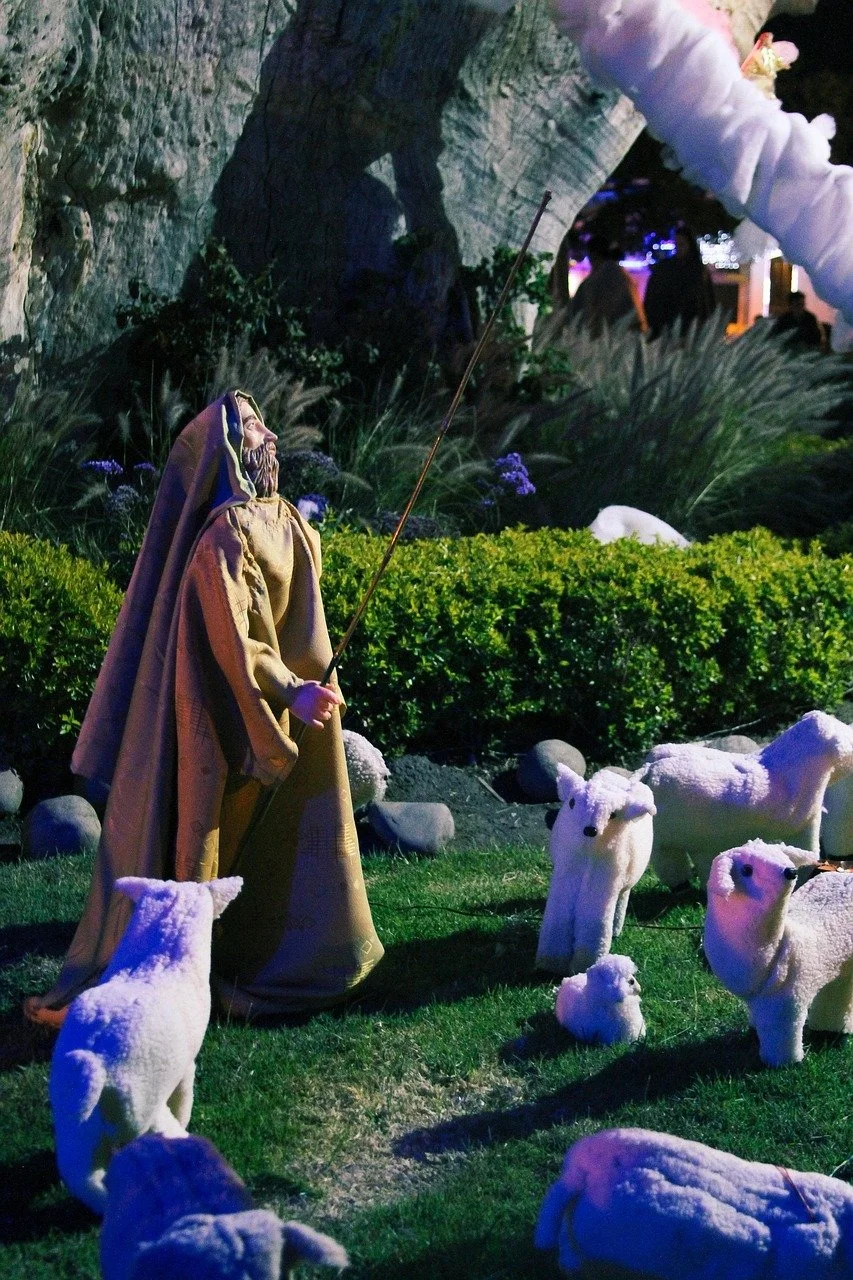
Image by Eduin Escobar from Pixabay
“8 In the same region there were some shepherds staying out in the fields and keeping watch over their flock by night.
9 And an angel of the Lord suddenly stood before them, and the glory of the Lord shone around them; and they were terribly frightened.
10 But the angel said to them, “Do not be afraid; for behold, I bring you good news of great joy which will be for all the people;
11 for today in the city of David there has been born for you a Savior, who is Christ the Lord.
12 This will be a sign for you: you will find a baby wrapped in cloths and lying in a manger.”
13 And suddenly there appeared with the angel a multitude of the heavenly host praising God and saying,
14 “Glory to God in the highest,
And on earth peace among men with whom He is pleased.”
15 When the angels had gone away from them into heaven, the shepherds began saying to one another, “Let us go straight to Bethlehem then, and see this thing that has happened which the Lord has made known to us.”
16 So they came in a hurry and found their way to Mary and Joseph, and the baby as He lay in the manger.
17 When they had seen this, they made known the statement which had been told them about this Child.
18 And all who heard it wondered at the things which were told them by the shepherds.
19 But Mary treasured all these things, pondering them in her heart.
20 The shepherds went back, glorifying and praising God for all that they had heard and seen, just as had been told them.”
Shepherding was a vital industry all throughout the Old Testament with numerous “big names” in Biblical history doing this difficult, outdoor, sometimes life threatening job. Abel, Abraham, Issac, Moses and David were all shepherds. Though the socioeconomic status of a shepherd had declined by the time of Jesus’ birth, the commitment of shepherds to care for their flocks still stood strong. They regularly faced predators that included wolves, lions, bears, hyenas, and leopards. They walked many miles to find feeding areas, as well as water. Shepherds were always vigilant. Even after the sheep were led into the fold for the night, a shepherd would place his body across the doorway to keep out unwanted predators. Apparently there were occasions where shepherds would mix their herds together for the evening to split the guarding shifts. In the morning they were easily able to sort the sheep by the sound of each shepherd’s voice.
It might be, on the night the angel came to these shepherds that was the case. Perhaps four or five shepherds had come together, and while a few of them slept the others kept watch over the sheep. I am pretty sure they were all wide awake when that angel showed up!

Image by Jeff Jacobs from Pixabay
There are many things we can learn from the shepherds that can help us in our season of sadness around the holidays. Let’s take a look.
1 - Shepherds were living life. These shepherds were doing their work. They were guarding their sheep: leading, guiding, feeding, watching, giving aid, tending to wounds, and certainly searching for any lambs that may have wandered away. Any one of those shepherds or shepherdesses (yes, women were shepherds too…talk about bad a**) could have been feeling sad. They could have been grieving the loss of a family member, the loss of a sheep (they were required to pay for any sheep lost or killed); they could have been struggling with illness, or blisters on their feet, or maybe they were discouraged because they really wanted to be a singer in the temple choir, but here they are tending sheep.
When we are dealing with sadness or grief, one of the best things to do, is keep living life. Go to work, meet with friends, get groceries, work on a closet, clean a bathroom; even the most mundane tasks that contribute to living life help us to process and get through. Listen to this quick snippet that reminds us why even making the bed can help.
2. Shepherds were brave and intelligent. Frankly I find it fascinating that shepherds were not seen as super heroes. I mean, beating off wolves, bears, an occasional lion or two had to be a tough job. These people were not weak, nor were they soft. They were weathered, strong, and probably wiry. They also had to have job intelligence, meaning they knew where to go to feed the sheep, where to find water, which in itself was a challenge in an arid climate. Sheep being what they are don’t like to drink from moving water, as it spooks them. They needed still water that wasn’t tainted with bacteria or other things that would make the sheep sick.
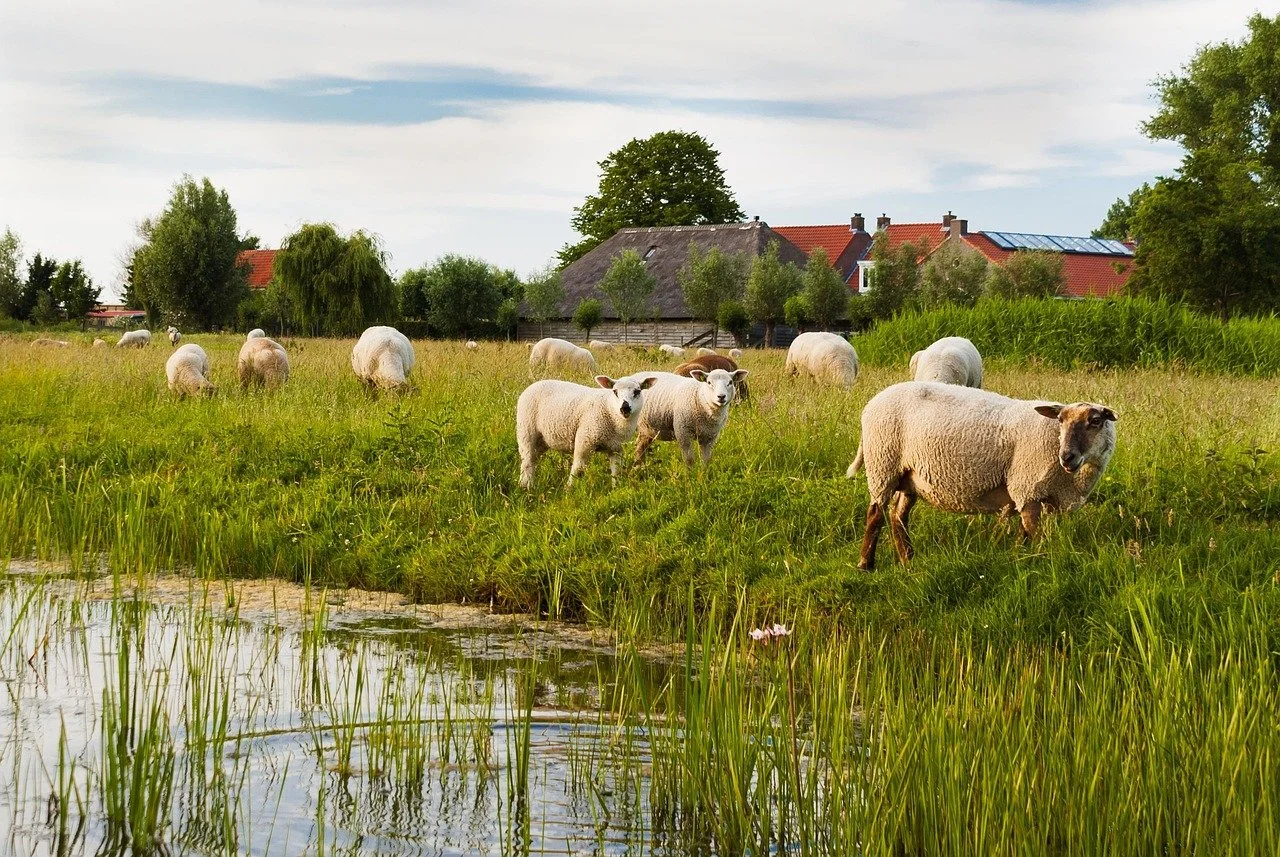
Image by Richard Haddeman from Pixabay
If you are working through a time of grief, learn what works for you to not only process that grief, but also the things that help you to continue living life. That will look different for every person. I personally like the “grief blanket” idea. I can allow myself to feel sadness for a time, and then get up and do other things. Maybe for you dealing with sadness is easier when you keep busy while also allowing your mind to remember why you are sad. Know what things will cause you to give in to the sickness of despair and depression, and find “safe water” to drink - like the water of God’s truth in His word.
3 - The shepherds were curious. After they got over the initial shock of seeing angelic beings, the shepherds high tailed it for Bethlehem to see the child of which they were told. In your sadness, be curious. Ask God what He wants you to learn about His character, yourself, or someone else. Be curious about Biblical accounts of people who dealt with grief and sadness. Read about Sarah, Hannah, Naomi, David, Nehemiah, Job (read the whole book to not only understand his grief, but know better the God who deals, reveals and restores,) and even Jesus as he is moved with compassion, and yes grief in the Gospel accounts.
4 - The shepherds were humble. I will acknowledge I am making an assumption about the shepherds’ humility. However, seeing the type of job they had and the lifestyle they lived I do not think they were the type of people who would put on airs and act as though they knew everything or had it all together. They really strike me as just regular, hard working people, that maybe were a bit smelly. Ha, ha. But they were real. The thing I love about this Biblical account is their unbridled enthusiasm. Why does that make them humble? Because they didn’t care about what people would think, they didn’t care that they were the best dressed, or clean, or had lots of money. They just wanted Jesus, and isn’t wanting Jesus all about humility?
Wanting the true Jesus of the Bible is about choosing to give up ourselves: our preconceived ideas, our knowledge base, our education, our upbringing, our trauma, our grief, our discouragement, our wealth, our status, our identity, and letting it all go to embrace the baby in the manger - the Wonderful Counselor, the Mighty God, the Everlasting Father, and the Prince of Peace.
“For a child will be born to us, a son will be given to us;
And the government will rest on His shoulders;
And His name will be called Wonderful Counselor, Mighty God,
Eternal Father, Prince of Peace.”