Book Review: Christ in You by Gary York, PhD

(This book was given to me along with a small compensation for an honest review.)

I was raised in a small Bible church in Western, New York. Nondenominational in nature, it was a place of learning and growth in my Christian life. As a young girl I was blessed to have Sunday School teachers who, not only taught the truth of God’s word, but showed a care and concern for the lives of their young students. These early relationships and the lives of my own parents led me to make the decision to accept Christ into my life at the age of 12. I attended that church until I was eventually married there to my spouse and we moved away to Ohio
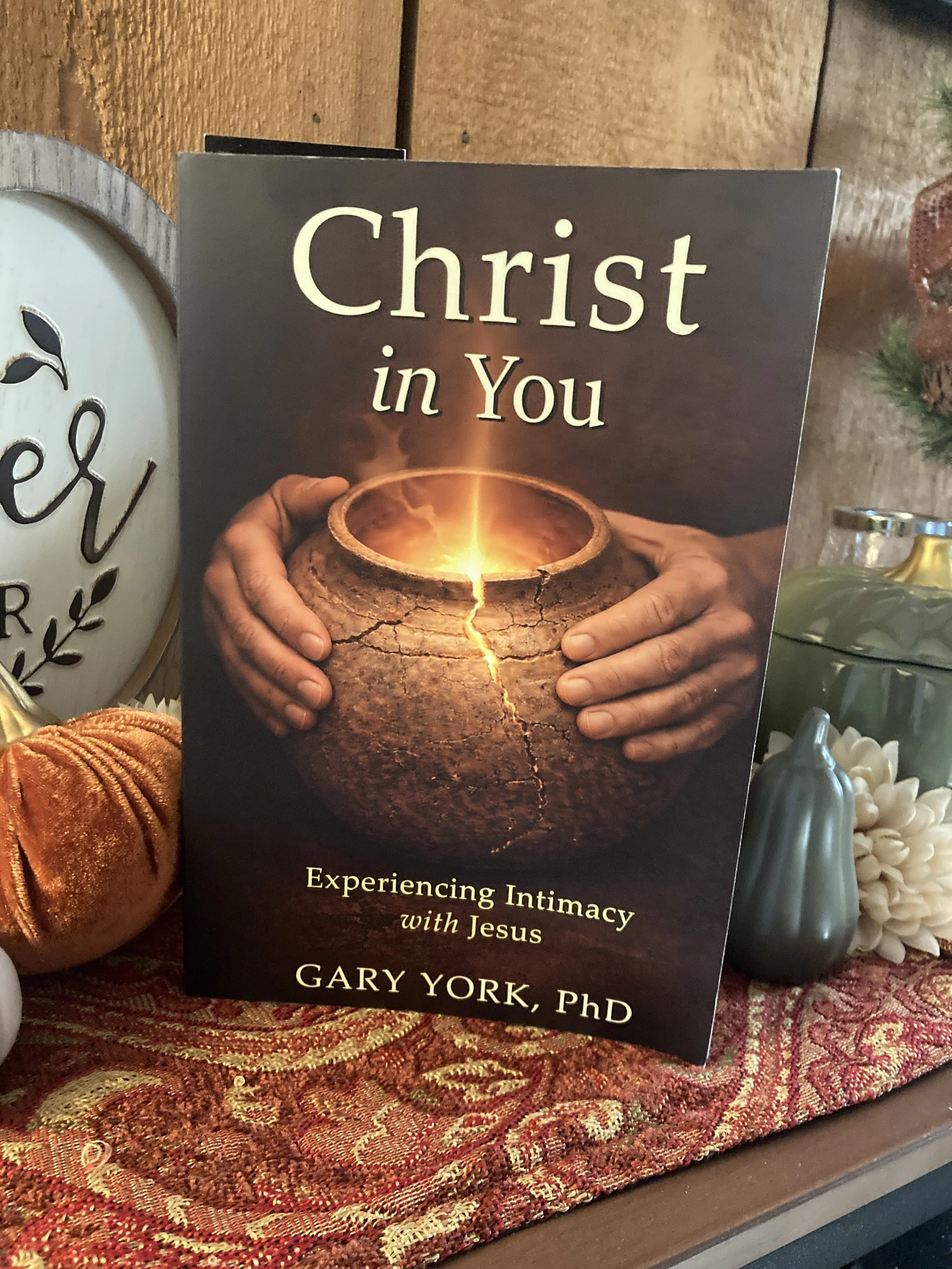
Gary York begins his book, Christ in You, with his own personal journey of faith. He shares how his Sunday School teacher told him he could have a personal relationship with Christ. He wanted that, as many of us did when we made that decision to follow him, but as Gary says on the very first page, “…wanting and knowing how to living in that relationship turned out to be very different things.”

“...there was a gap in my life. I believed in Jesus, but I didn’t really know Him. I lived for Him, but I didn’t live with Him. I rarely sensed His presence or heard His voice. My faith was sincere, but mostly intellectual, built on information and behavior. I wasn’t taught how to experience an actual life of intimacy with Jesus in my ordinary days....”
— Christ in You p. 1

For me, the concept of Christ in You makes perfect sense. We were taught that when we believed in Christ as our Savior, he came into our hearts. I guess the concept always stuck with me and gradually evolved over time into the deeply personal relationship I have with Jesus today. When I saw this book was available to review, I knew I wanted to take a closer look.
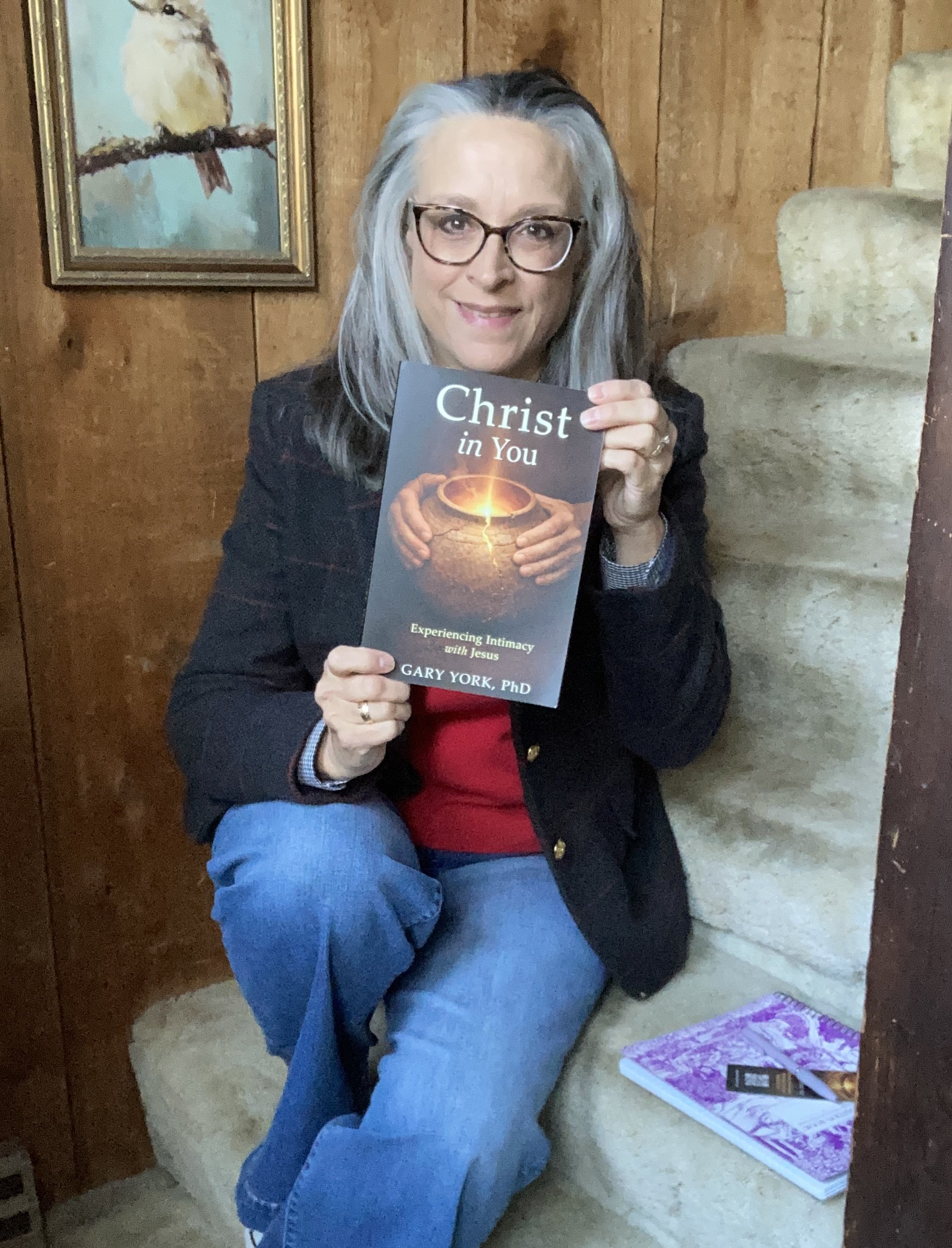
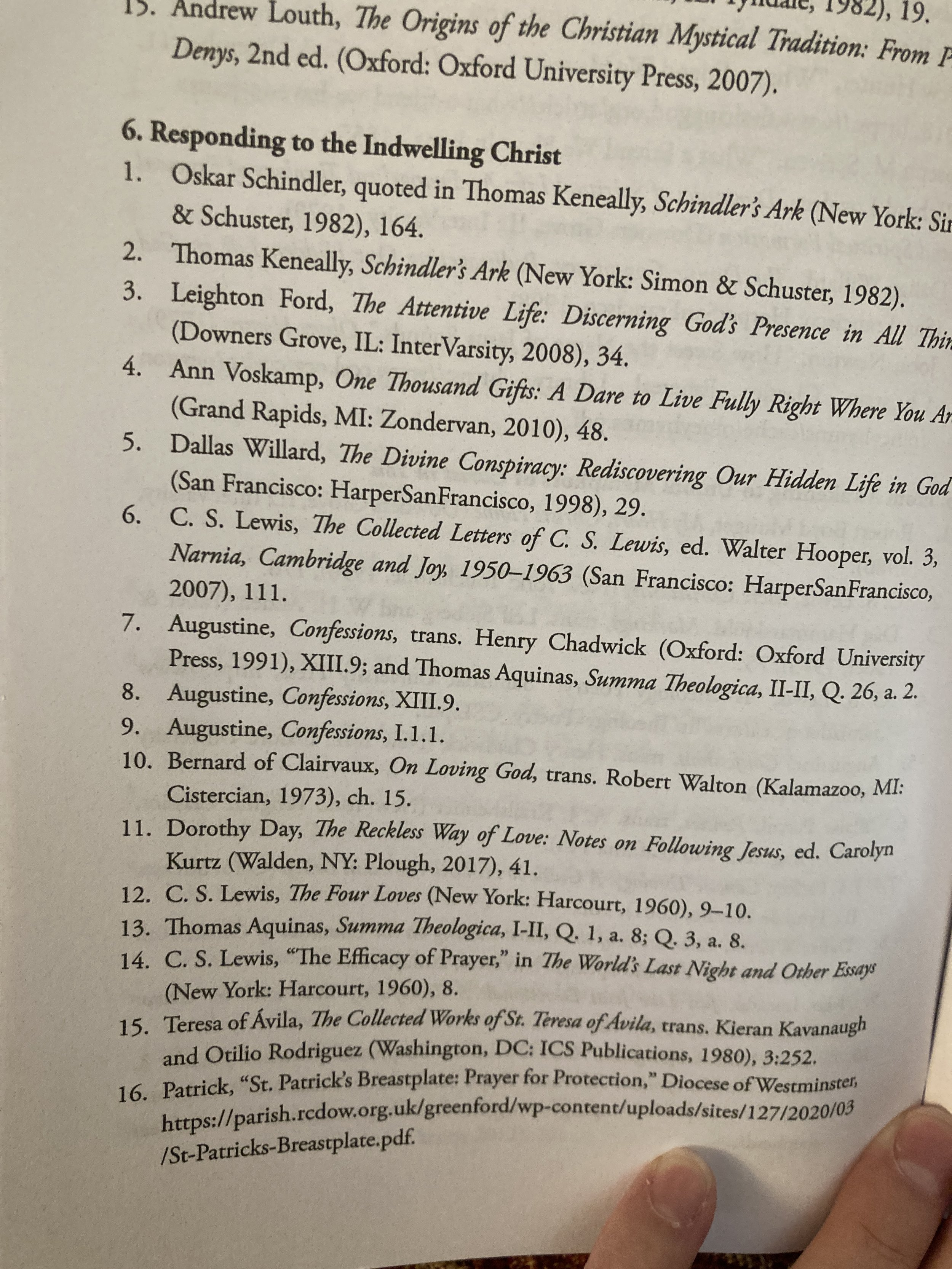
The first thing I want to say about this book is be prepared to underline and take notes. There is so much good information in these pages; information that has the capacity to take your walk with Christ from “meh” to “wow”. For me, much of this drove home ideas and concepts I already knew and lived, but Gary is so thorough in his research, Biblical references and his writing I found myself continuously looking back at the end notes to find the books he was referring to. I now have a whole new book list; another reason to have a notebook handy when you read.
Gary begins his book with a look at what he titles, The Greatest Truth. Simply put this truth revolves around the idea that God desires a personal relationship with us and we have the capacity for relationship when we are unified with Christ. He discusses the failure of our western culture and the church to teach, not just book knowledge or experience, but relational knowledge.

“Our Western culture does not emphasize this type of relational knowing. I attended school for twenty years to acquire knowledge and skills. None of my test was related to becoming a good friend, developing a loving character or knowing an intimate, loving God...The Western church has not filled the gap. Spiritual maturity in the church has too often assumed that pouring more knowledge into people will result in Christian character. We frequently end up with people who know facts but don’t know the Author of the Truth.”
— Christ in You p. 7

Gary goes on to explain that all through the Bible we are given examples of God’s relentless pursuit of us referring to Old Testament events: Creation before the fall, Moses rescue of Israel, David, a man after God’s own heart, and Isaiah who prophesied the coming of Jesus. He also points out the union with Christ in the New Testament through the Gospels and the Epistles.
Christ in You is much more than a history lesson as we see as we continue to read through what Christ In You means, how we grow in understanding of this truth through imagery in the Scriptures, our response to the indwelling Christ and learning to see the world and ourselves through the better lens of God’s understanding.

There were too many quotes for me to include in this short book review, but the following came from the chapter titled: The Journey. This chapter speaks to how God speaks and we respond, and how this relationship with Him is personal and made for each of us individually.

“In the beloved children’s story The Velveteen Rabbit, the wise old Skin Horse explains that becoming real ‘doesn’t happen all at once. You become. It takes a long time.’ The rabbit becomes real not by staying polished and perfect, but by being loved until the seams show. The longer we walk with Him, the more love rewrites out story until the old self fades away. We are being reshaped by love itself, stripped of what is not eternal, until what remains in true, holy, and wholly His.”
— Christ in You p. 143

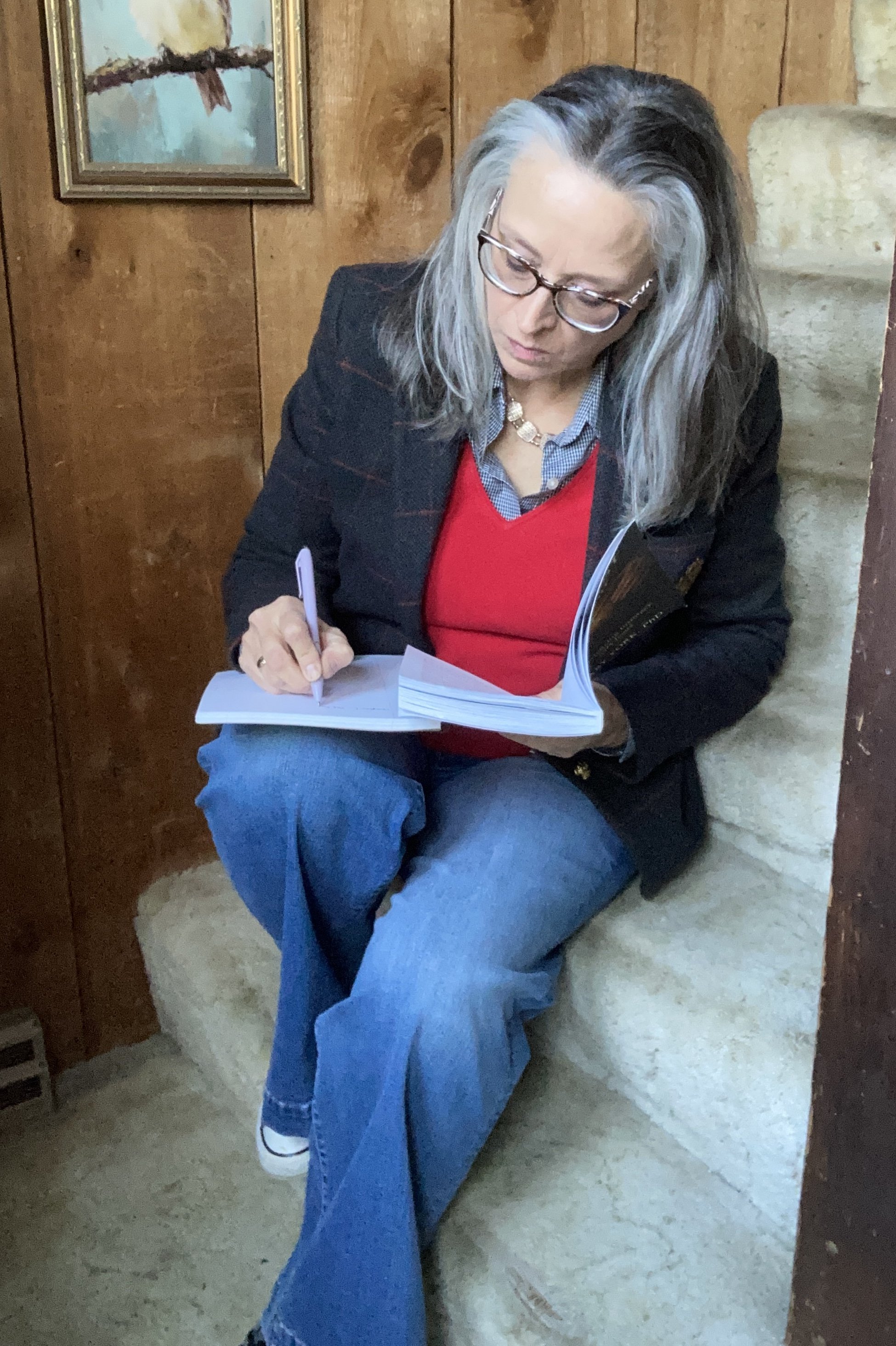
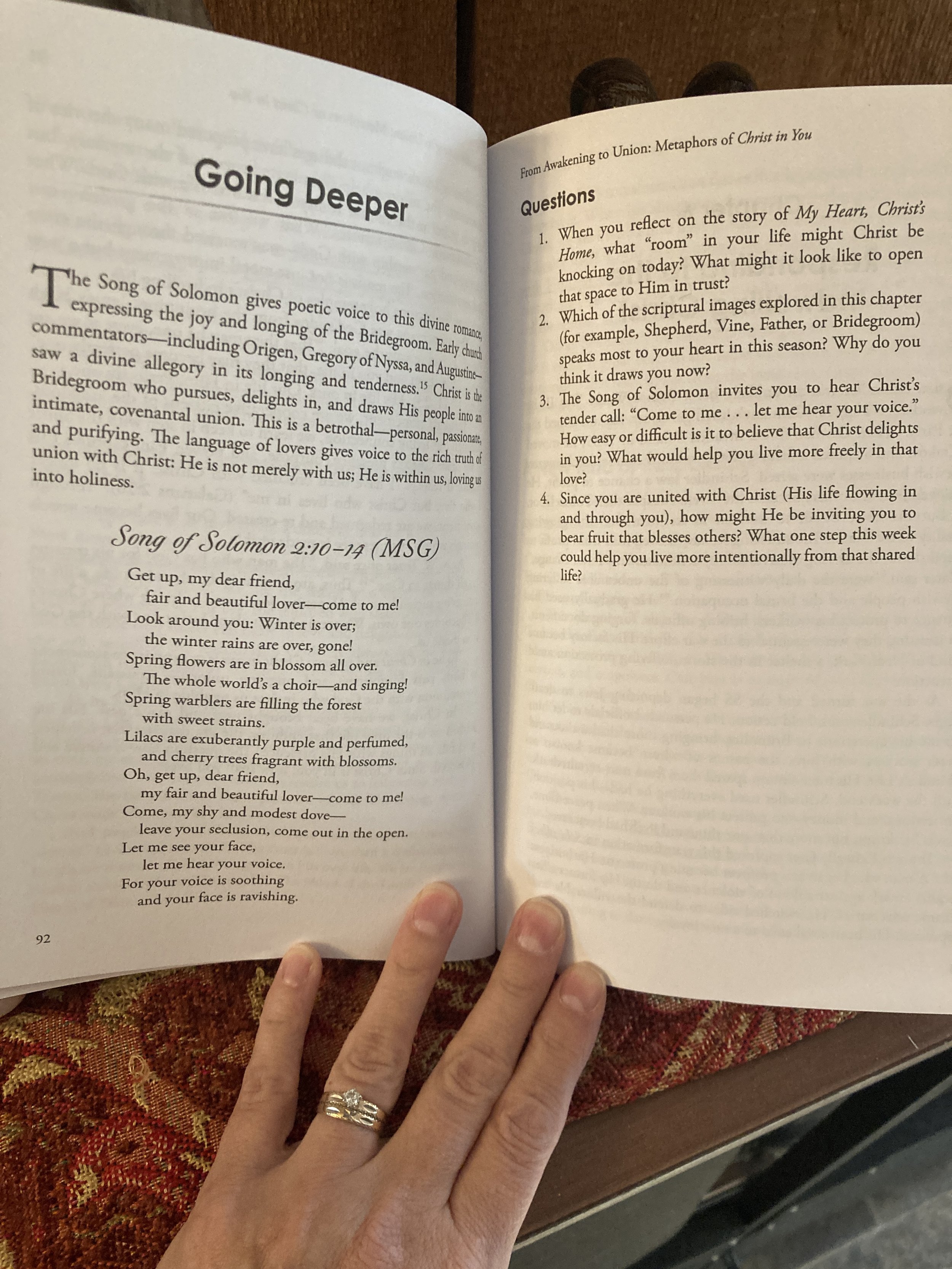
Besides the prolific end notes, I liked the way this book was set up and felt that it was well thought out, and organized. York moves through his thoughts and ideas in a logical fashion making it easy to read and to understand. I also like the Going Deeper sections at the end of each chapter giving us a hymn or writing from another source adding more depth to what we are learning. He follows this with a few questions to get us thinking more about what we have just read.
I wish I had this book when I was a young adult. It really would have helped me as I became a wife and mother in grounding myself in the One who was always with me all along. I also think this would have helped me teach my daughters the beautiful truth of a relationship with our amazing God.

I think Christ in You is a must for all Christians who want to grow in their relationship with God. I also think it would be a great book for a book club, a small group or a Sunday School class. I think York’s understanding and presentation of this spiritual reality could be revolutionary in changing the course of Christian leadership and teaching in the world.
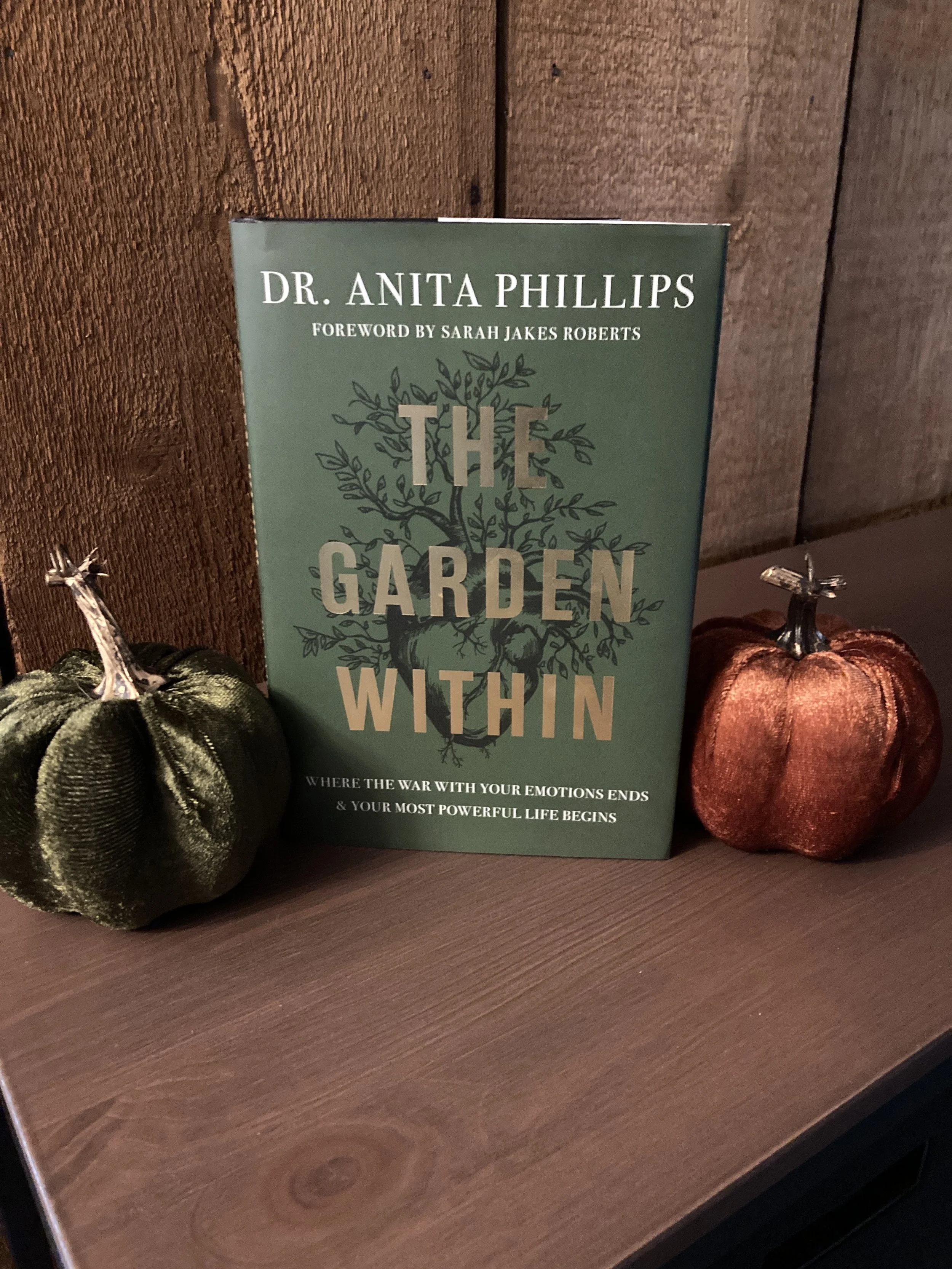
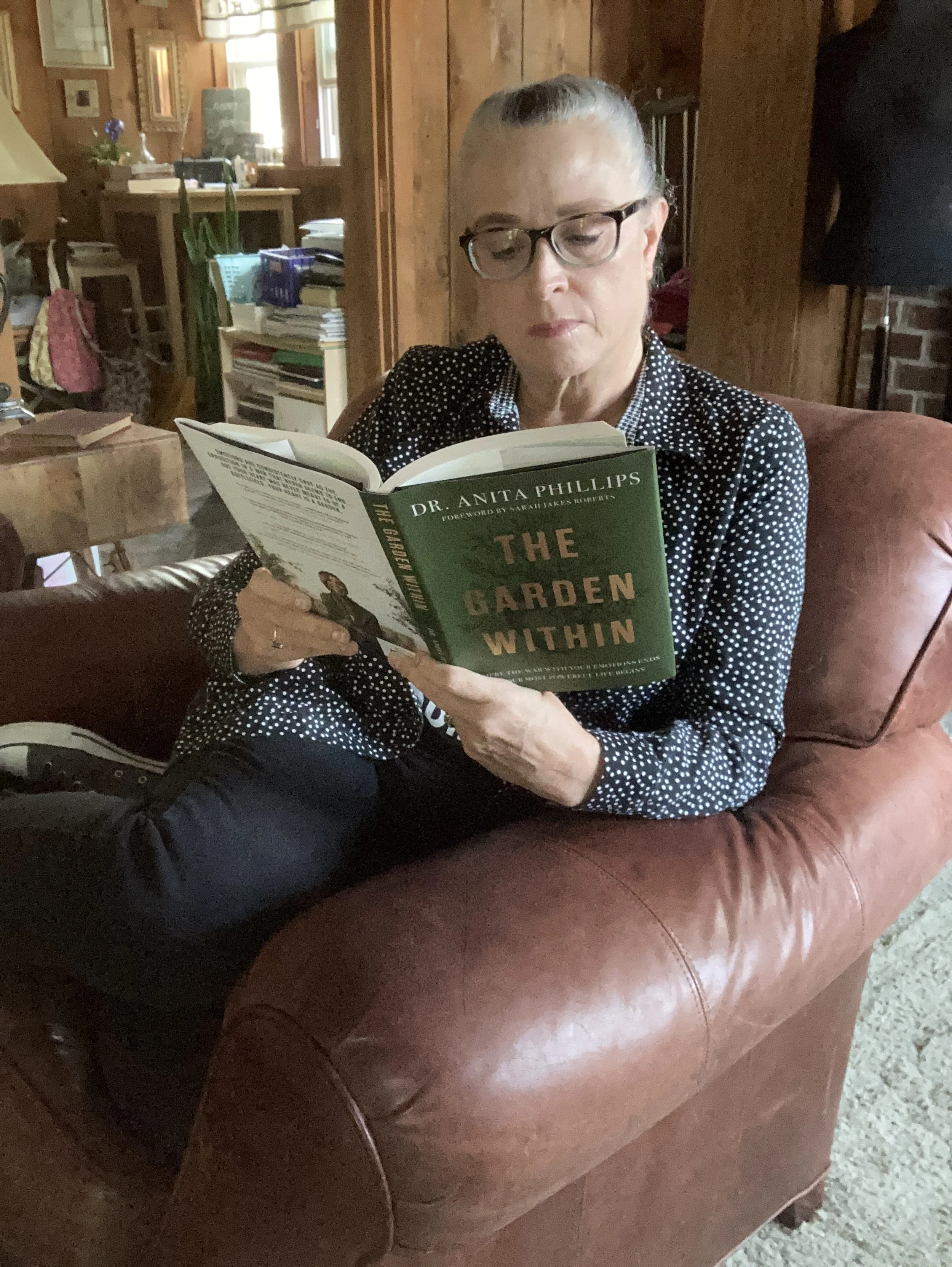
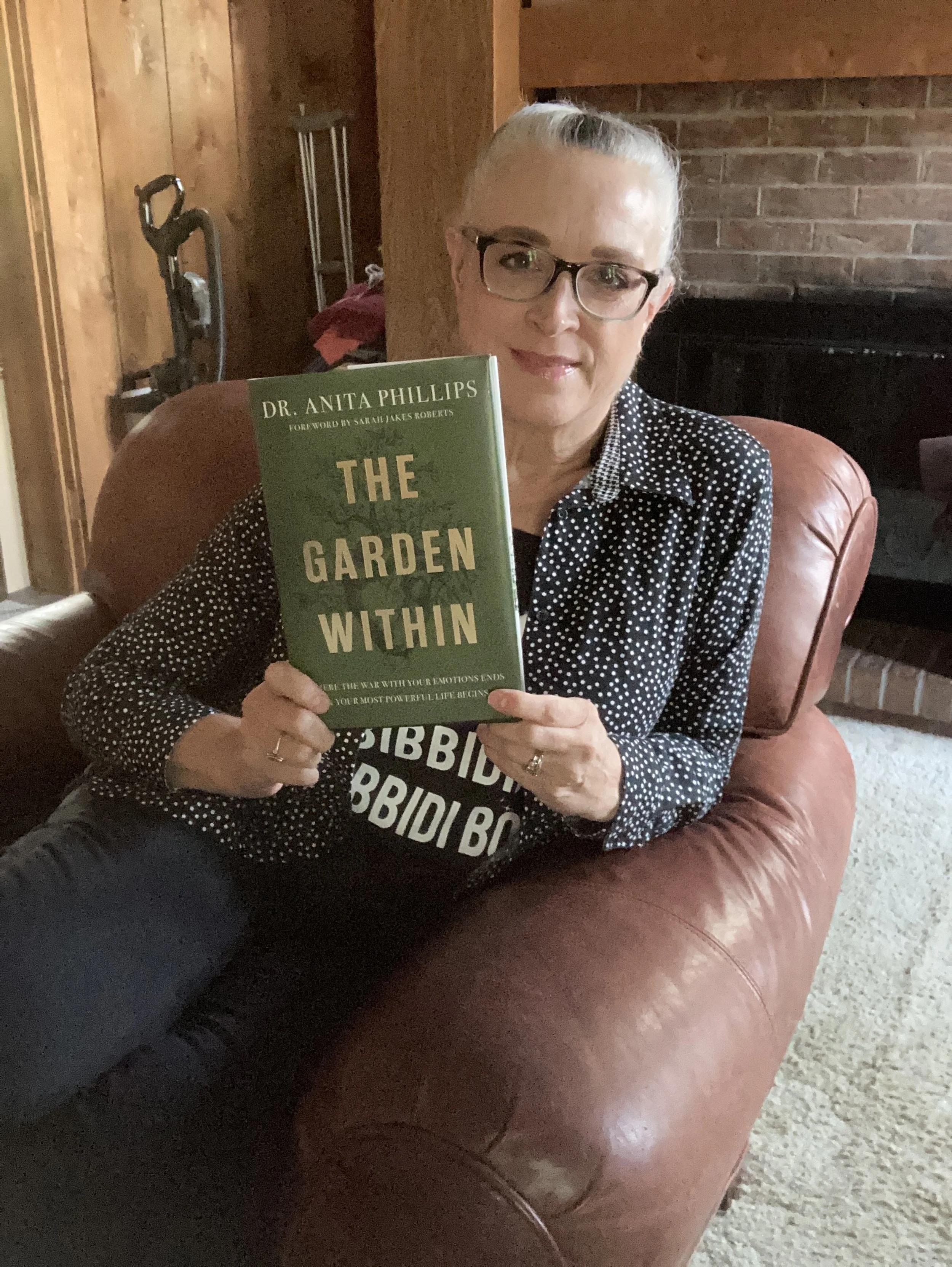
Book Review - The Garden Within by Dr. Anita Phillips

I was given the opportunity by Frontgate Media to review another book. In exchange for the review I am provided with a free copy of the book. I like to be choosy about which things I review and recommend to you, the readers and subscribers of my blog. I try to choose things that speak to where we are as women, and more specifically, women of faith.

The Garden Within by Dr. Anita Phillips is another book I found compelling and useful. Dr. Phillips is a minister, therapist, and life coach.

“Widely recognized as a thought leader at the intersection of mental health, faith and culture, Dr. Anita holds degrees from the University of Maryland and Regent University and completed a postdoctoral fellowship at the Johns Hopkins Bloomberg School of Public Health.”
— The Garden Within - Book Jacket

In this book Dr. Phillips discusses why embracing our emotions is key to living a truly powerful life. She combines ideas from neurobiology, faith and her own research in showing how strengthening our emotional well being will also help to strengthen our physical bodies, renew our minds and reawaken our spiritual joy.

She believes God created us with the heart as the center of the human experience, rather than the mind. She also believes Jesus, who was completely in touch with His emotions, understood this to be true, and offers examples from the scripture from weeping in front of Lazarus’ tomb (John 11:35), to anger in the temple over the money changers (Matt. 21:12), to wrestling in the garden with the anguish of what awaited him on the cross (Luke 22:42).

“You don’t need to overthrow your emotions to experience a revolution in your life. You just need to overthrow the lies you have believed about your emotions. The Creator designed your heart to be a garden, not a war zone. A truly powerful life isn’t won. It’s cultivated.”
— The Garden Within - p. xxv

The Garden Within is divided into three sections: Part 1 - Soil Power, Part 2 - Deeply Rooted, and Part 3 - The Embodied Garden. Each of these sections takes a look at our emotional tapestry through the analogy of a garden.

When Anita was a child in 5th grade science class she was fascinated by her teacher’s assignment of growing a pea plant in wet paper towels rather than dirt. Her teacher wanted the students to understand how much growth went on before the plant was ever above the soil. Her fascination with plants continued all throughout her education, but when she was a mother of two, a licensed therapist and working on her PhD she found herself again in a science class.

At the same time Anita was delving into a study of the book of Romans. Only a few verses into the first chapter she was stunned by Romans 1:20.

“20 For since the creation of the world His invisible attributes are clearly seen, being understood by the things that are made, even His eternal power and Godhead, so that they are without excuse,”
— Romans 1:20 (NKJV)

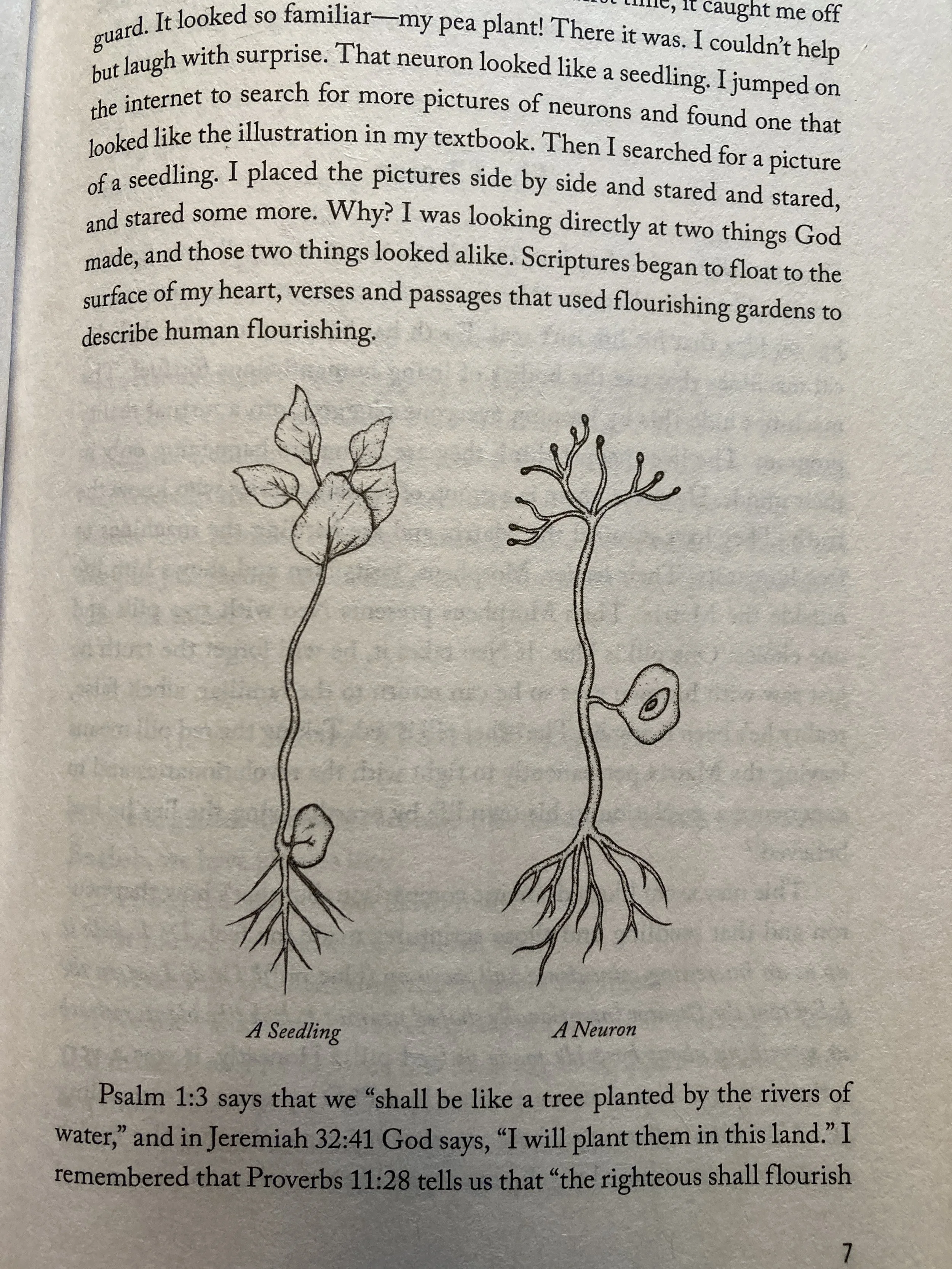
The next day her assigned reading was an introduction to neurons. Upon, seeing a picture of a neuron she was flabbergasted to see it looked almost exactly like her pea plant. God had made both the pea plant and the neuron. Anita realized there were to many passages in scripture that had to do with plants, trees and gardens. These passages were used to teach spiritual lessons and guidelines for living. She felt God was revealing to her a deep connection between the world as He created it and the world He created inside of us in the form of our emotions, thoughts and actions.

Illustration from The Garden Within - p. 7

Dr. Phillips found herself searching for answers to a number of questions and this is what she discovered:

1 - How does Scripture define well-being? As a garden. (Isaiah 58:11)

2 - What is mean to grow in the garden? Relationships, purpose and legacy - things that give our life meaning.

3 - Where is the garden planted? In the soil of our hearts.

4 - What makes that soil fertile? Faith, hope and love.

5 - What is emotional well-being? Our capacity - and willingness - to be aware of, acknowledge, and experience all our emotions.

6 - What happens when we cultivate emotional well-being? We unleash, sustain and nourish the full power of the word-seeds that we choose to plant in our garden within.

7 - Is this what it means to live a powerful life? Yes.

(Points taken from The Garden Within - pp. 43-44)

Anita uses the events of Creation, and the Parable of the Sower and the Seed to further expand on these points and show us how to begin cultivating our own garden within by first determining what we want to grow in the three zones of relationships, purpose and legacy. We then prepare our soil, or our hearts by pulling weeds and cleaning and checking the soil by being aware of how we are doing emotionally. Next we set up a watering system. Just as gardens have to be intentionally watered, so too our emotional well being needs to be taken care of. Finally, we determine to plant good seeds.

“Our spiritual well being hinges on the quality of the word-seeds sown because they determine what we believe is true about God and ourselves. Each seed is a potential blessing or potential curse.””
— The Garden Within - p. 71

Anita points out that these word-seeds come to us from all directions including things we tell ourselves. What we choose to plant, or listen to, will determine what grows in the garden of our hearts.

There is a lot of information in this book and I personally feel it will require several readings to fully grasp all the concepts and wisdom within its pages. However, Dr. Phillips does address a number of prominent emotions: sadness (including loneliness and grief), anger, and fear. She gives examples and outlines a therapeutic processes for each emotion to help dig in and cultivate the soil in our hearts.

I would recommend this book for anyone who has gone through emotional trauma, or who has just been part of the “don’t express it, or talk about it” culture. I am going to be reading through this again and taking notes to glean even more. If yo would like to buy your own copy of The Garden Within by Dr. Anita Phillips, just click on the link.

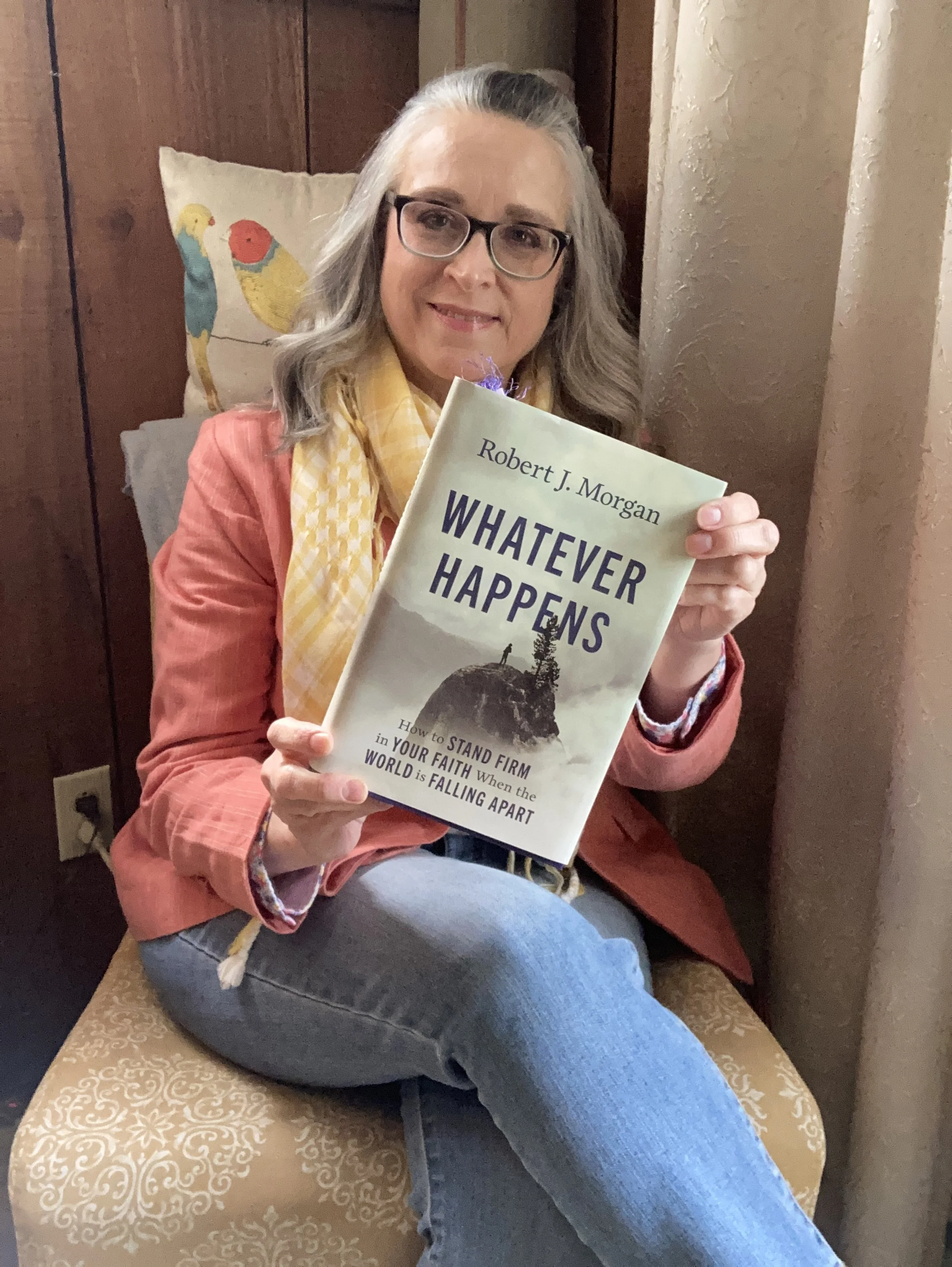
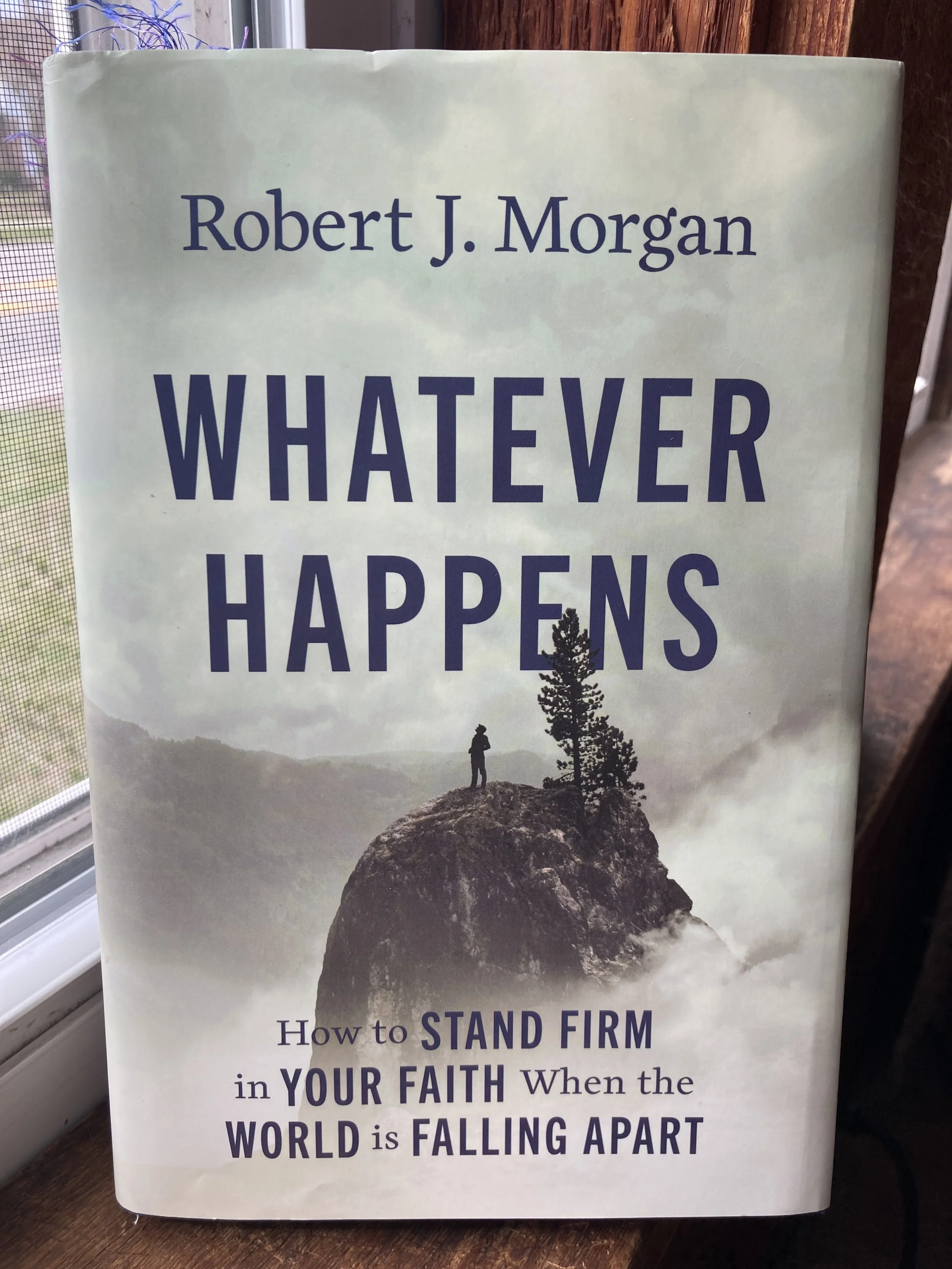
Whatever Happens by Robert J. Morgan - A Book Review

(This book review is being done in exchange for the book. No money has exchanged hands for this review.)

I was contacted again by FrontGate Media to review a book. They send me numerous titles throughout the year, and I only choose certain ones to review. It needs to be worth my time to read the book, and it has to be something I am interested in keeping. This book by Robert J. Morgan is just that. You can read more about the author here.

Whatever Happens: How to Stand Firm in Your Faith When the World is Falling Apart is a deep dive into the book of Philippians, one of my favorite letters of Paul. The Apostle Paul is writing from Rome where he is a prisoner, to the church at Philippi. The introduction to the book gives us a good synopsis of what follows.

“Whatever. Whatever happens. The apostle Paul was facing uncharted circumstances and an unsettled future. He didn’t know if he would be released or executed. He didn’t know if he would live or die. But he knew one thing: Whatever happened, he was going to stand firm in the faith and conduct himself in a manner worthy of the gospel.”
— Robert J. Morgan, Whatever Happens p. x

This is the call for all of us who have given our lives to Christ. Whatever. Whatever happens, to stand firm in the faith and to live a life worthy of the gospel.

Morgan’s first two chapters set the background for how Paul came to Philippi by taking a look at the events in Acts 16:6-34. Reading through the passage we can see how God closed many doors to get Paul to the place He wanted him. Morgan makes a point that God’s will for our lives is progressive, premeditated, and purposeful, and that is why we need not get discouraged when a door closes. God always has the best plan.

Morgan also points out that during his stay in Philippi Paul doesn’t just make converts, he makes enemies who actually have him arrested, beaten, and thrown in jail. It is during this time of incarceration that we see the apostle and his companion Silas go from tending their wounds to worshipping their God in song. The aftermath of this time of worship includes an earthquake, a distraught guard, and the eventual conversion of the guard and his whole family.

“Through song and suffering, the church was planted in Philippi, and through song and suffering, we, too, serve the Lord faithfully with joy, even in our midnight hours.”
— Robert J. Morgan, Whatever Happens pp. 15

With a casual, easy to read style, Morgan gets into the meat of the book of Philippians by breaking the chapters down into bite sized sections. Each chapter of Morgan’s book delves into a group of connected verses. Morgan uses relevant stories, quotes, and examples to tie in how this letter of Paul is just as relevant to us today as it was to the new converts in the church at Philippi.

Each chapter starts with the words, Whatever Happens…Here are a few.

Chapter 3 - ….Layer Your Life with Generosity

Chapter 5 - …Remember God is Still Working on You

Chapter 7 - …Replace Gloomy Thoughts with Glorious Ones

Chapter 10 - …Never Be Intimidated

Chapter 20 - ...Actively Press On

Chapter 26 - …Discover the Secret to Contentment

Whatever Happens brings new insights to the book of Philippians, and how it applies to the times we are living in today. It is a strong reminder that God gives us the strength to press on when life is difficult, and He gives us the ability to have joy in the midst of those hard times.

Here are just a few of the quotes I highlighted in my copy:

“As we grow in Agape, we make wiser decisions because we develop greater knowledge and depth of insight.”
— Robert J. Morgan, Whatever Happens pp. 43
“The circumstances of our lives have become servants of Christ’s commands. Our circumstances must bow before Jesus. We may not be able to control them, and chaos may seem to reign. But the Savior who turned water into wine and death into life can bring about a mutation, a transfiguration, a reversal, an evolution of our circumstances. The Savior can turn our circumstances into His servants for the advancement of His Kingdom. This is part of redemption.”
— Robert J. Morgan, Whatever Happens pp. 52
“The attitude of exalting Christ whatever happens has the power to weaken or destroy the grip of circumstance-based anxiety in our lives—-to live is Christ and to die is gain.”
— Robert Morgan, Whatever Happens pp. 69
“I cannot grow spiritually without keeping a positive attitude about life.”
— Robert J. Morgan, Whatever Happens pp. 103
“God put the burning stars into a dark sky to teach us something about our own lives and about the mission He has for us. We are to shine His light into a dark world. I cannot think of a single better way of using my time than by holding forth the Word of Life.”
— Quote Source
“...I had never before thought of joy as a safeguard, as a shield, as a weapon, as an invisible cloak around me, or as a guardian who served as a security officer.”
— Robert J. Morgan, Whatever Happens pp. 127

I could go on, but I hope reading a few of these quotes gives you a taste of the knowledgable and thorough insight the author has put into this look at Philippians. I believe this book is apropos for the times we are living in. We are living in a darkened world, and God desires we be the lights that shine spreading the Gospel of Jesus Christ.

I found this book spoke to my heart, bringing a new understanding of the Letter of Paul to the Philippians. It reminded me that my faith is never stagnant and I have never arrived. There is always more to learn. I would strongly recommend Whatever Happens to every Christ follower.

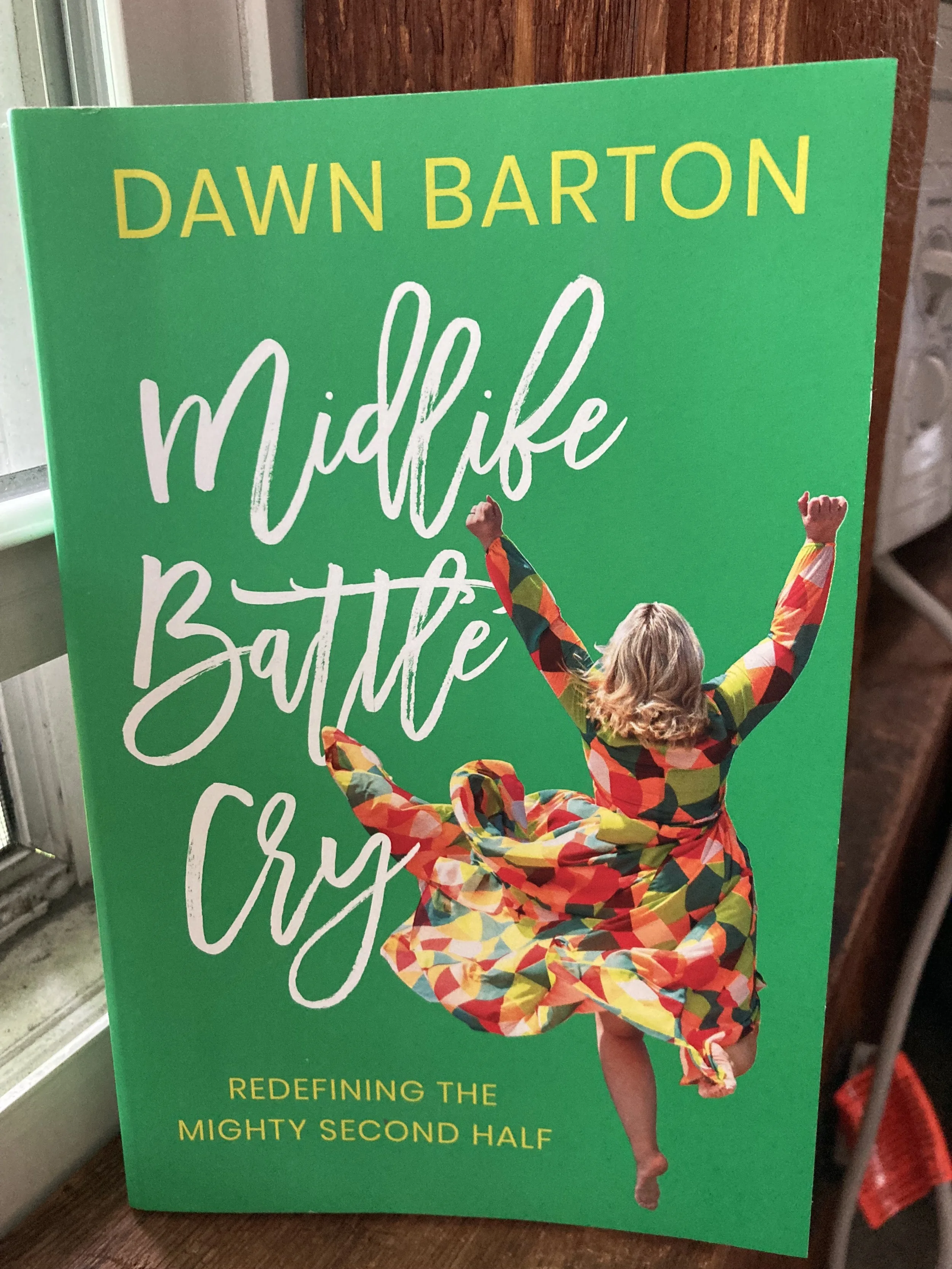
Creative Christianity - Midlife Battle Cry by Dawn Barton - A Book Review

This book review was done in exchange for the book. No money has exchanged hands for this review.

About a month ago I was contacted by a company who does marketing for Christian books and movies. I was asked if I would post a review of a book in exchange for the free product. I have been asked before to do these, but this is the first one that really pulled at me. I said yes. What follows are my thoughts and opinions on Midlife Battle Cry: Redefining the Second Half by Dawn Barton.

I had never heard of Dawn Barton until I received this book. A blonde, southern gal, Dawn has an infectious smile and an earthy sense of humor that pokes fun of life in all of its beauty, and ugliness. Dawn is no stranger to success, she left a thirty year career in sales marketing to become an author; and she is no stranger to difficulty, she has been through the loss of a child, divorce, rape and cancer. Anyone who has been through that much bad stuff and still has their sense of humor, has my attention.

The premise of the book assures us there is more to come once the kids are grown and retirement is looming. Many of us who have reached mid-life, and are moving into our late forties, fifties, sixties and beyond feel like we are done. We are done raising kids, retirement is not that far away and we feel like we have nothing to offer a society that looks at youth and beauty as the pot of gold at the end of the rainbow. We are afraid, as Dawn says, “of becoming irrelevant to the world.”

“The story is always the same: look younger, dress younger, eat younger, just BE younger. The message is clear: old bad, young good. Thanks for coming. Good night.””
— Midlife Battle Cry by Dawn Barton (p. 13)

Dawn is encouraging us to get out of the “irrelevant” mindset through practical steps, exercises, and entertaining stories, all with her sassy, southern comedic voice. This is Dawn’s second book and she is an Evangelical Christian Publishing Association best selling author.

When I am reading Dawn’s book I feel like I am sitting down on a lovely wrap around front porch, with a gentle breeze blowing. I am chatting with a close friend, one who gets me, and really understands the hard bits of life. This friend is one who gets to the point quickly and though her honesty is sometimes hard to handle, she accepts and loves me immensely.

Here are a few of the chapter titles from Midlife Battle Cry:

1 - Did the Fat Lady Sing?

2 - The Shift

3 - Hello You

4 - The “I Love Me” Challenge

5 - The Black Hole of 45+…..

and more.

If you order Dawn’s book at midlifebattlecry.com you get a free Book Club Kit, which is good wether you use the book in a group, or use it for individual study.

This book spoke to me. It came into my life at the precise moment that I needed the reminder that I am still important and I still have something to offer the world, even though at the moment I feel I am in the chapter where Dawn talks about God forcing us to rest, to prepare us for the next thing (Chapter 16 - Hello, God, Remember Me?)

“He needs you ready for the next thing, and in order for that to happen you need rest. You need to recharge, and you need to pour into your soul, you mind, and your body. Remember, a season of rest is not because you are forgotten or that He doesn’t love you; it’s because He does love you.”
— Midlife Battle Cry by Dawn Barton (p. 171)

I hope you will check out Midlife Battle Cry. It is a book worth your time, especially if you are entering the next phase of life and feel unsure how to proceed, or that you are done.

“I’m not sure if we’ve done the damage ourselves listening to generations before us or if it’s the rambling of social media and society, but we are a huge group that for the most part has become silent during a time when we are profoundly needed in this world....This is not our time to stop being wild participants of life and just become mere spectators...It’s time for us to lead.”
— Midlife Battle Cry by Dawn Barton (p. 184)