Faith Musings: Nothing to Boast About: Part 7

We have been looking at verses from I Corinthians 1 and 2. We have learned that the cross of Christ, born of God’s wisdom for a sinful world, is seen as foolishness to the very humanity it is able to save. We have also learned that God does not think as we think. He uses the very things we see as foolish and ridiculous to save the lost and confound the wisest individuals. In addition we have discovered God’s intention in choosing the foolish and weak things of the world was to remind us that without him we are nothing. We were created to be a reflection of His glory and every one of us bears His image.

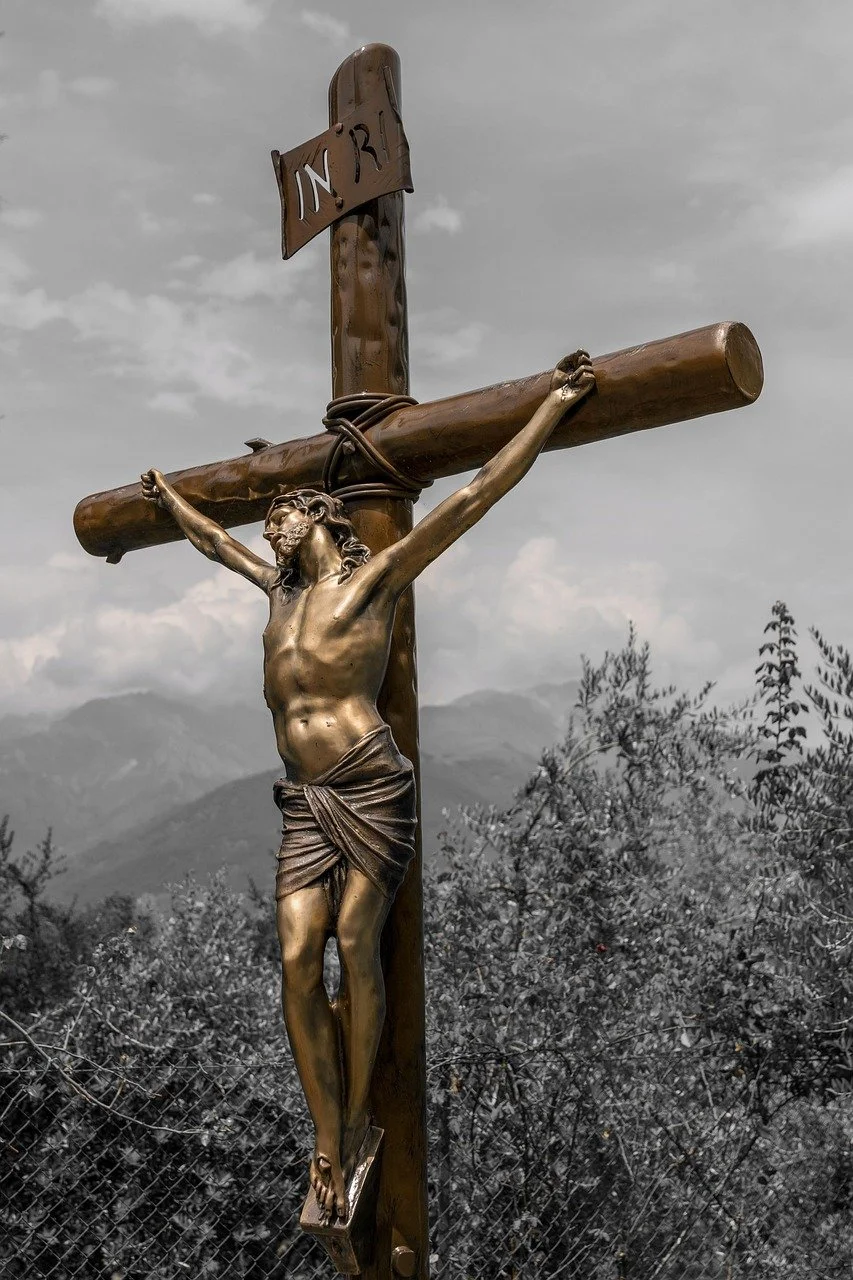
Image by EmilyNumen from Pixabay

Last time, we began learning about the Holy Spirit’s part in our lives and in the work of revelation of God’s truth. Paul, himself, who determined to “know nothing…except Jesus Christ, and Him crucified,” recognized it was the Holy Spirit and His power that gave his preaching the desired outcome of people coming to know Jesus. We also learned it is God, through the Spirit, who reveals His truth to us, for it is His Spirit that searches and knows the very depths of God.

10 For to us God revealed them through the Spirit; for the Spirit searches all things, even the depths of God.
11 For who among men knows the thoughts of a man except the spirit of the man which is in him? Even so the thoughts of God no one knows except the Spirit of God.
12 Now we have received, not the spirit of the world, but the Spirit who is from God, so that we may know the things freely given to us by God,
13 which things we also speak, not in words taught by human wisdom, but in those taught by the Spirit, combining spiritual thoughts with spiritual words.
14 But a natural man does not accept the things of the Spirit of God, for they are foolishness to him; and he cannot understand them, because they are spiritually appraised.
15 But he who is spiritual appraises all things, yet he himself is appraised by no one.
16 For who has known the mind of the Lord, that he will instruct Him? But we have the mind of Christ.
— 1 Corinthians 2:10-16 (NASB 1995)

I want to take a closer look at the next two verses in this passage.

For who among men knows the thoughts of man except the spirit of the man which is in him?

Image by janrye from Pixabay

There are individuals who claim to be able to read our minds. They may have some sort of ability, but it is most likely they are extremely intuitive and can read people through their actions, words, body language and facial expressions. The point of the above question is that no one can truly know what is inside of us except our own spirit, or our own being.

Today it seems that many people do not even have that knowledge or understanding. People read books, listen to podcasts, go to psychiatrists, psychologists and others to help them understand themselves and even decipher what they are thinking. It seems to me, the further we have grown in the areas of knowledge and understanding the less we really know. Knowing these limitations is there any doubt that we cannot fully know or understand the Holy God?

Even so the thoughts of God no one knows except the Spirit of God.

Image by Joe from Pixabay

God is so far beyond our ability to truly understand, and our earthly wisdom, as we have seen already, is foolishness when it comes to knowing Him. However, God’s Spirit, the Holy Spirit, this same one who becomes part of us when we give our lives to Christ, He knows the thoughts of God.

You see, the Holy Spirit is not just the after thought of the God head when Jesus knew his ascension was soon to take place. The Holy Spirit is a living and active part of the trinity.

He was there at the beginning:

1 In the beginning God created the heavens and the earth.
2 The earth was formless and void, and darkness was over the surface of the deep, and the Spirit of God was moving over the surface of the waters.
— Genesis 1:1-2 (NASB 1995)

He was involved in human industry:

1 Now the Lord spoke to Moses, saying,
2 “See, I have called by name Bezalel, the son of Uri, the son of Hur, of the tribe of Judah.
3 I have filled him with the Spirit of God in wisdom, in understanding, in knowledge, and in all kinds of craftsmanship,
4 to make artistic designs for work in gold, in silver, and in bronze,
5 and in the cutting of stones for settings, and in the carving of wood, that he may work in all kinds of craftsmanship.
— Exodus 31:1-5 (NASB 1995)

He was involved in governance:

16 The Lord therefore said to Moses, “Gather for Me seventy men from the elders of Israel, whom you know to be the elders of the people and their officers and bring them to the tent of meeting, and let them take their stand there with you.
17 Then I will come down and speak with you there, and I will take of the Spirit who is upon you, and will put Him upon them; and they shall bear the burden of the people with you, so that you will not bear it all alone.
— Numbers 11:16-17 (NASB 1995)

See also the book of Judges as well as I Samuel 16:13.

The Holy Spirit was also regularly involved in prophecy, coming on whomever the Lord willed and speaking through them to those who needed to hear the prophetic word. This third person of the Triune God has been busy from the beginning of our world, and it is He who knows the thoughts of God.

Now we have received, not the spirit of the world, but the Spirit who is from God…

Image by StockSnap from Pixabay

Note there is a difference between the spirit of the world, and the Spirit from God. The spirit of the world is not seen as a proper noun, and it has to do with the mindset and attitude prevalent in the world. This mindset is anti-God, and moves to create a culture that is only set on serving itself.

On the other hand, the Spirit of God is completely in tune with the Father and the Son. He moves with them, agrees with them and is in complete communion with them. Jesus told us we would receive this helper. This Holy Being is the one we receive when we give our hearts and lives to Jesus. Isn’t that just mind blowing?

26 But the Helper, the Holy Spirit, whom the Father will send in My name, He will teach you all things, and bring to your remembrance all that I said to you.
— John 14:26 (NASB 1995)

Why did the the triune God head make this choice to send this helper?

…so that we may know the things freely given to us by God.

Image by Bob Dmyt from Pixabay

We would be in error to say God does not love us, care for us, or want to be intimate with us. He gave us One who knows Him. He gave us a part of Himself; a part that knows His very depths. Without this amazing helper we cannot know God. No matter how much head knowledge a person develops over time; no matter how much historical date a person can dredge up, there is only one way to truly know God, and that is by believing in the work of Jesus Christ and by receiving the Holy Spirit.

We will look a bit more at this work of the Holy Spirit in our lives next time. Until then, keep fanning the flame!

Faith Musings: Nothing to Boast About - Part 3

This second chapter of 1 Corinthians seems a perfect continuation of the verses we looked at previously in Faith Musings: Nothing to Boast About - Part 1, and Nothing to Boast About - Part 2.

Image by Joe from Pixabay

1 And when I came to you, brethren, I did not come with superiority of speech or of wisdom, proclaiming to you the testimony of God.
2 For I determined to know nothing among you except Jesus Christ, and Him crucified.
3 I was with you in weakness and in fear and in much trembling,
4 and my message and my preaching were not in persuasive words of wisdom, but in demonstration of the Spirit and of power,
5 so that your faith would not rest on the wisdom of men, but on the power of God.
6 Yet we do speak wisdom among those who are mature; a wisdom, however, not of this age nor of the rulers of this age, who are passing away;
7 but we speak God’s wisdom in a mystery, the hidden wisdom which God predestined before the ages to our glory;
8 the wisdom which none of the rulers of this age has understood; for if they had understood it they would not have crucified the Lord of glory;
9 but just as it is written,

“Things which eye has not seen and ear has not heard,
And which have not entered the heart of man,
All that God has prepared for those who love Him.”
— I Corinthians 2:1-9 (NASB 1995)

Paul continues his discourse on the wisdom of God versus the foolishness of man by stating that when he came to the church at Corinth he did not preach by his own ability, but by the ability God gave him.

“And when I came to you, brethren, I did not come with superiority of speech or of wisdom, proclaiming to you the testimony of God.”

If anyone could have boasted in his own abilities it was Paul. Born a Hebrew, he was raised in the prosperous city of Tarsus, a center for trade on the Mediterranean coast, a city which also housed a well known school.

Image by sebastiano iervolino from Pixabay

4 although I myself might have confidence even in the flesh. If anyone else has a mind to put confidence in the flesh, I far more:
5 circumcised the eighth day, of the nation of Israel, of the tribe of Benjamin, a Hebrew of Hebrews; as to the Law, a Pharisee;
6 as to zeal, a persecutor of the church; as to the righteousness which is in the Law, found blameless.
— Philippians 3:4-6 (NASB 1995)
6 But perceiving that one group were Sadducees and the other Pharisees, Paul began crying out in the Council, “Brethren, I am a Pharisee, a son of Pharisees; I am on trial for the hope and resurrection of the dead!”
— Acts 23:6 (NASB 1995)

Paul referred to his upbringing not to boast in his abilities, but to appeal to the audience he was talking to. He always made clear that his abilities to teach and preach were from God .

For I determined to know nothing among you except Jesus Christ, and Him crucified.

This stands out to me for two reasons. First, Paul determined. This word does not give us a feeling of being wishy washy. It shows us the apostle was firmly resolved. It is convicting to me, because when I ask myself what am I firmly resolved or determined about, I realize in this chaotic world we are living in I have become more uncertain, unsure and even doubtful about many things, even my relationship with Christ. Yes, there are things I am sure of: my salvation, the Bible, God’s good character and so on. Perhaps, like Paul I need to focus on the main thing.

Image by DetBe from Pixabay

Second, what was Paul determined to know? Nothing…except Jesus Christ, and Him crucified. Why is this so important? Isn’t it more important to preach and teach love? After all Christ loves us and desires that we all be in heaven with Him. This is where I am beginning to see disparity in the church. If we do not preach the reason Christ came, and had to be crucified, all the love in the world will not fix all that is wrong with it. Christ came because we are sinners. Not one of us is good enough to earn our way into heaven, no matter how much love we show. And the truth is, if I only preach the love of God, then I do not really love. We have to talk about the darkness, the disobedience, and the distance between us and Him.

Remember these verses? Jesus said of Himself:

6 Jesus said to him, “I am the way, and the truth, and the life; no one comes to the Father but through Me.
— John 14:6 (NASB 1995)
5 I am the vine, you are the branches; he who abides in Me and I in him, he bears much fruit, for apart from Me you can do nothing.
6 If anyone does not abide in Me, he is thrown away as a branch and dries up; and they gather them, and cast them into the fire and they are burned.
— John 15:5-6 (NASB 1995)
23 He who hates Me hates My Father also.
24 If I had not done among them the works which no one else did, they would not have sin; but now they have both seen and hated Me and My Father as well.
25 But they have done this to fulfill the word that is written in their Law, ‘They hated Me without a cause.’
— John 15:23-25 (NASB 1995)
18 “Behold, we are going up to Jerusalem; and the Son of Man will be delivered to the chief priests and scribes, and they will condemn Him to death,
— Matthew 20:18 (NASB 1995)
31 And He began to teach them that the Son of Man must suffer many things and be rejected by the elders and the chief priests and the scribes, and be killed, and after three days rise again.
— Mark 8:31 (NASB 1995)

These are just a few of many verses in the Gospels where Christ talks about His purpose, which was to be obedient to the Father, and die on a cross for sinful humanity.

Does the Bible talk about God’s love? Of course it does. One of the most famous verses many of us memorized as youngsters in church follows:

16 “For God so loved the world, that He gave His only begotten Son, that whoever believes in Him shall not perish, but have eternal life.
— John 3:16 (NASB 1995)

Image by Engin Akyurt from Pixabay

However, even this verse talks about God’s love in the context of our need, and our sin. Why would we perish if we were perfect? Why would we need God if love was the answer to all our problems? Love is the answer, but it is God’s love; God’s pure, perfect, and holy love.

I would like to let these first two verses of this second chapter of 1 Corinthians sink in for the next week. Do you think we need to be more determined like Paul? If so, what are we to be determined about? I’d love to hear your thoughts, so leave a comment or two below.

Until next week, have a great weekend!